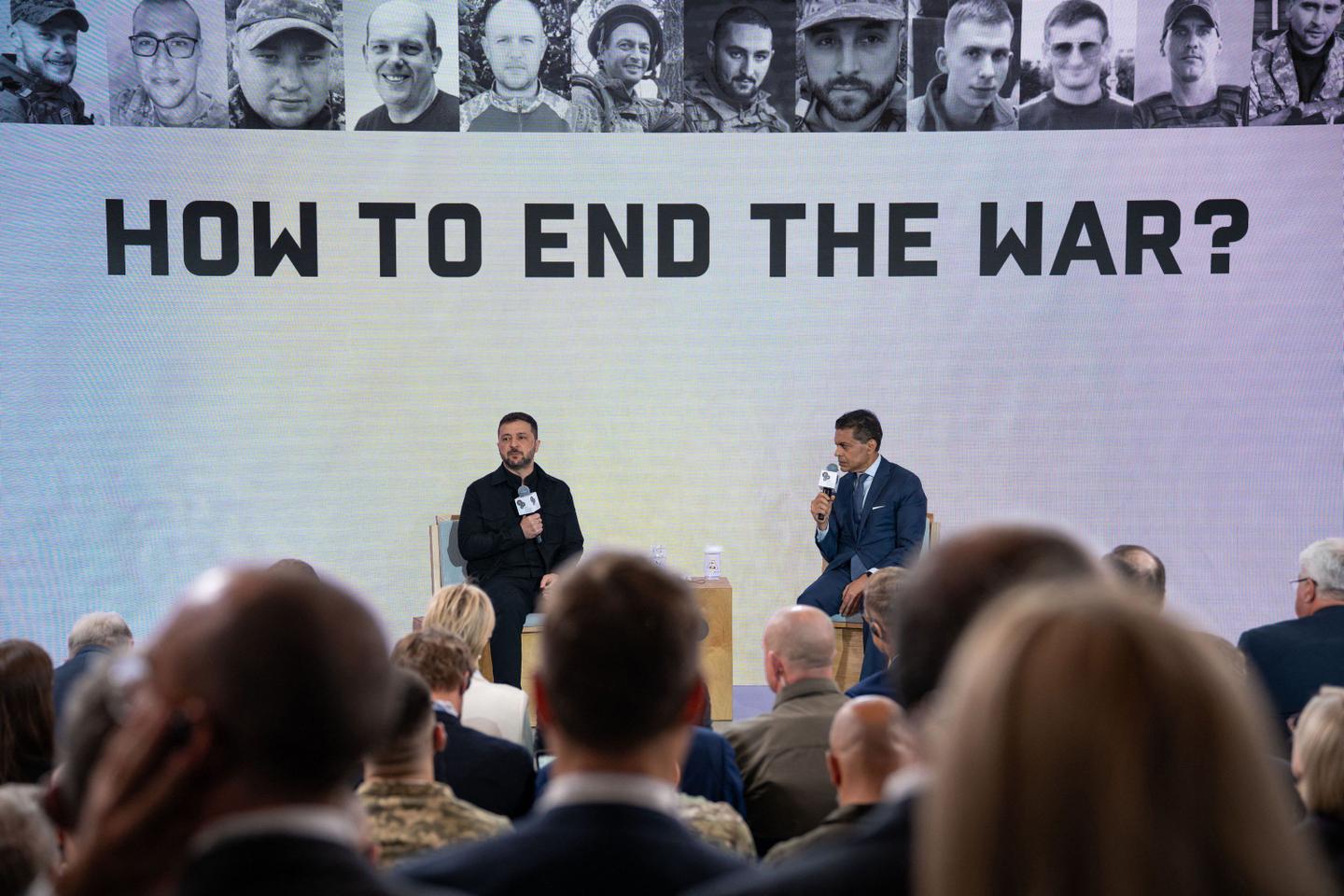
Kyiv, led by President Zelensky, has unequivocally rejected any territorial concessions to Russia, asserting such proposals would only provide a temporary pause, not a guaranteed end to the conflict, and citing historical precedents. This firm stance aligns with Moscow's rejection of US President Trump's ceasefire and summit proposals, and comes amid Russian drone tests of NATO air defenses, collectively indicating a continued geopolitical impasse and a likely protracted conflict.
A significant geopolitical impasse is evident as both Kyiv and Moscow have rejected key diplomatic overtures, signaling a high probability of a protracted conflict. Ukrainian President Volodymyr Zelensky has unequivocally dismissed any territorial concessions as a solution, framing such a move as merely a "pause" based on historical precedents in Georgia (2008) and Crimea/Donetsk (2014). This firm stance from Kyiv is mirrored by Moscow's rejection of US-proposed initiatives for a ceasefire and a presidential summit. Compounding the diplomatic stalemate, Russia has actively escalated military tensions by testing NATO air defenses with drone incursions over Poland and Romania. This combination of failed diplomacy and provocative military action substantiates the "strongly negative" sentiment and high market impact score (0.75), reinforcing an outlook of sustained instability and heightened risk across the region.
AI-powered research, real-time alerts, and portfolio analytics for institutional investors.
Request DemoOverall Sentiment
strongly negative
Sentiment Score
-0.60
