

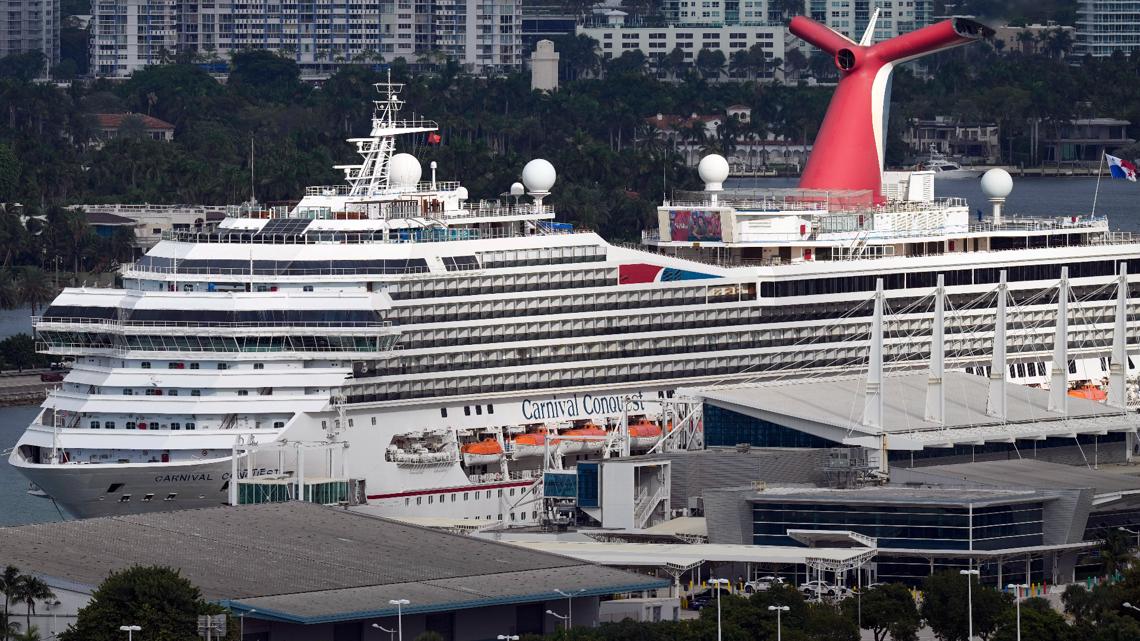
Carnival disclosed that a social-engineering attack on a single employee led to unauthorized access to personal data, affecting more than 800,000 Texans and prompting notifications to impacted customers. Compromised information may include names, addresses, email, phone numbers, dates of birth, and government ID numbers such as driver's license and passport numbers. The company is offering two years of free credit monitoring through TransUnion and has added security controls, but the breach raises reputational and legal-risk concerns for the cruise operator.
This is more than a one-off privacy event: it turns Carnival’s customer database into a recurring legal and commercial liability. The immediate earnings hit is probably manageable, but the larger issue is that breach disclosure extends the life of the story for months through notifications, attorney outreach, and potential multi-state claims, which can keep a lid on sentiment even if the operational impact is limited. For a consumer-facing travel brand, trust damage compounds because the buyer is not just purchasing a ticket but surrendering identity data; that increases the odds of softening booking conversion at the margin, especially in higher-yield segments like repeat cruisers and families.
The second-order beneficiary is not just cybersecurity vendors, but also identity-protection and credit-monitoring providers that monetize post-breach anxiety. TRU is likely the cleaner expression because breach-driven monitoring demand tends to be sticky for the duration of the remediation window, and large-scale incidents can create lead-flow spillover into subscription products. Meanwhile, the cruise sector as a whole may face a modest valuation discount if investors start applying a higher “data and litigation” risk premium to companies with heavy direct-to-consumer databases and fragmented IT stacks.
The key trading question is whether this is a transient headline or the start of a wider expense/reputation cycle. The near-term risk is a plaintiff bar campaign that escalates legal reserves over 1-2 quarters; the longer-dated risk is incremental customer churn if the company cannot convince travelers that booking and onboard payment systems are hardened. What would reverse the pressure is a rapid closure of the investigation with no evidence of payment data exposure and no follow-on incident, but that is more of a months-long process than a days-long catalyst.
AI-powered research, real-time alerts, and portfolio analytics for institutional investors.
Request TrialOverall Sentiment
strongly negative
Sentiment Score
-0.55
Ticker Sentiment
