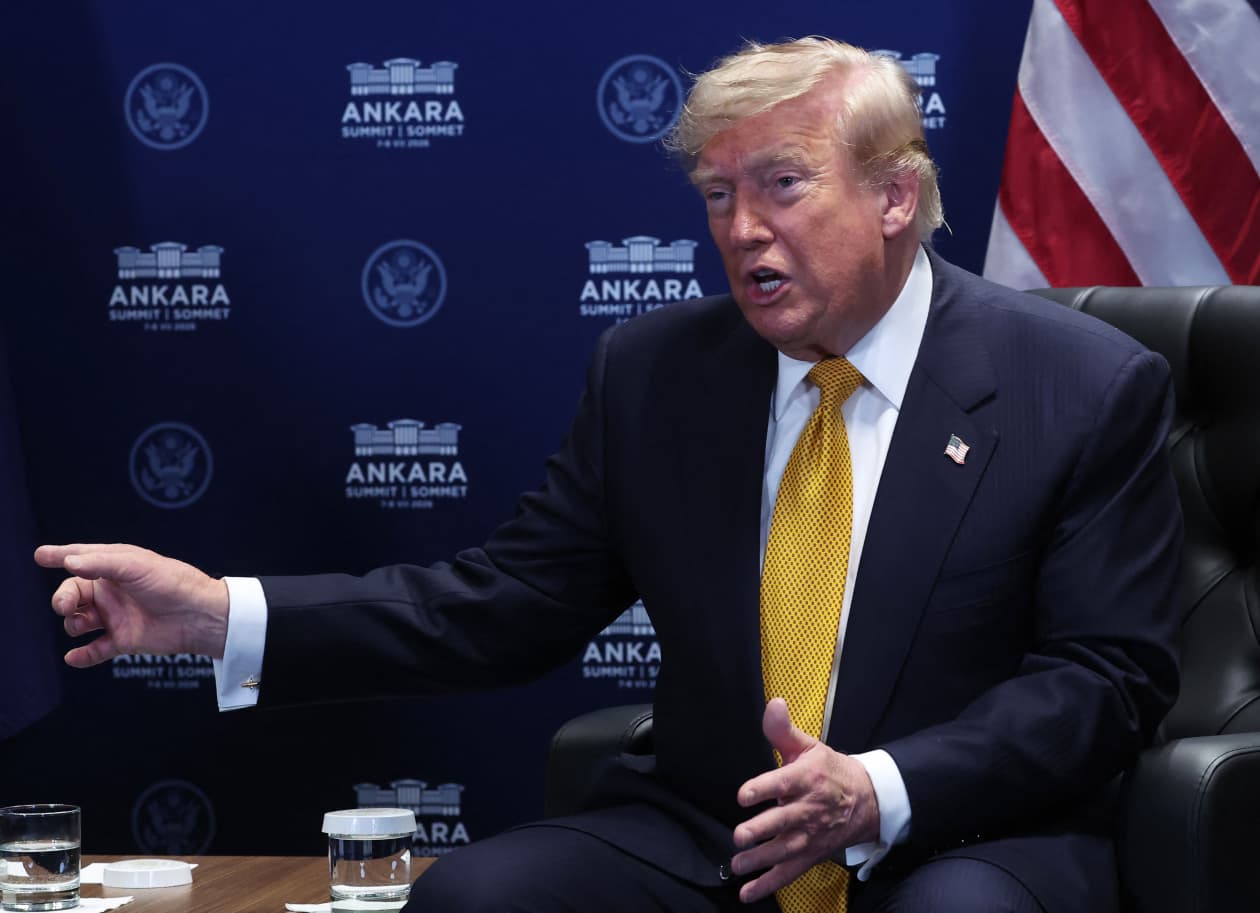
Oil futures jumped by the most in two months after Trump said he believes the U.S.-Iran cease-fire is over, calling Iranian leaders “scum.” The implied escalation risk drove a sharp risk-off move in crude, adding immediate upside pressure to energy prices as geopolitical tensions resurface.
The first-order winner is front-end crude volatility, not necessarily durable spot prices. In geopolitical headlines like this, the market usually pays up for the nearest barrel because the risk is a sudden supply interruption, but the curve can give back most of the move if there is no physical follow-through. That makes upstream names with clean balance sheets and high beta to realized prices the cleaner equity expression than refiners, whose input costs reprice faster than product margins.
Second-order beneficiaries are the infrastructure and services names tied to higher risk premia in seaborne energy flows: tankers, marine insurance, and certain oil services can get a delayed lift if shipping lanes become less predictable. By contrast, airlines, parcel/logistics, and chemical producers face a margin squeeze if crude holds higher for more than a few sessions; the market often underprices how quickly fuel surcharges lag the initial commodity spike. The macro spillover is a firmer breakeven/inflation impulse, which can pressure duration-sensitive assets even if crude itself fades.
The key contrarian point is that verbal escalation is not the same as supply loss. If there is no strike on infrastructure, no shipping disruption, and no sanctions/tighter enforcement path, this can become a fast mean-reversion trade within days rather than a months-long regime shift. The thesis breaks if crude gives back the gap over the next 3-5 sessions or if policymakers signal de-escalation without any operational disruption. Structural upside only persists if the market sees a credible path to reduced export capacity or a sustained risk premium in the Strait/region.
AI-powered research, real-time alerts, and portfolio analytics for institutional investors.
Request DemoOverall Sentiment
moderately negative
Sentiment Score
-0.45
