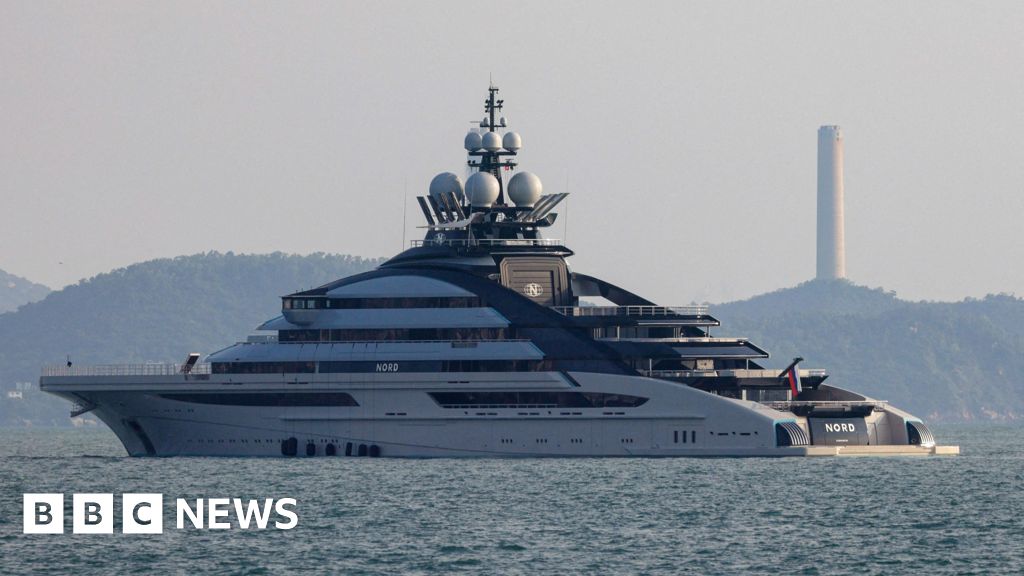
The Russian-flagged 142m superyacht Nord, linked to sanctioned billionaire Alexey Mordashov, transited the Strait of Hormuz from Dubai to Muscat despite the ongoing blockade and reduced traffic through the waterway. The article underscores continued geopolitical तनाव around the strait, where about one-fifth of global crude oil and LNG flows normally pass, alongside Brent crude at $109 a barrel. Market impact is more sector- and geopolitics-driven than company-specific, but the routing of private vessels through a constrained shipping lane adds to energy and logistics risk.
This is less about the yacht and more about the signaling value of selective corridor access: if high-profile private vessels can still transit while normal traffic remains impaired, the market should infer that the blockade is porous and politically negotiable rather than absolute. That matters because oil and LNG premiums are being priced as if the route is binary; in reality, the next leg is likely a volatility regime, not a clean supply shock. The beneficiary set is therefore not just producers, but also tanker owners and any asset that monetizes elevated freight and insurance premia.
The second-order loser is the shipping ecosystem tied to Gulf routing efficiency. If insurers conclude that elite exemptions do not materially lower strike risk, then every “successful” transit paradoxically hardens risk pricing for commercial operators, because it signals that route risk is being managed case-by-case rather than resolved structurally. That keeps transit volumes suppressed longer, which is supportive for crude and LNG basis differentials, but also raises the odds of demand destruction in Asia if importers keep paying up for alternative cargoes and longer-haul routes.
The key catalyst window is days to weeks, not months: any further interdiction, seizure, or military escalation would quickly reprice front-end energy and shipping volatility higher, while a diplomatic de-escalation would unwind the premium just as fast. The contrarian read is that the market may be overestimating the permanence of the disruption; if traffic normalizes even modestly, a lot of the current geopolitically embedded risk premium should compress because inventories remain the ultimate shock absorber. The more durable opportunity is in names that benefit from elevated uncertainty even if crude retraces, especially where freight, insurance, or sanctions arbitrage persists.
AI-powered research, real-time alerts, and portfolio analytics for institutional investors.
Request DemoOverall Sentiment
neutral
Sentiment Score
-0.10
