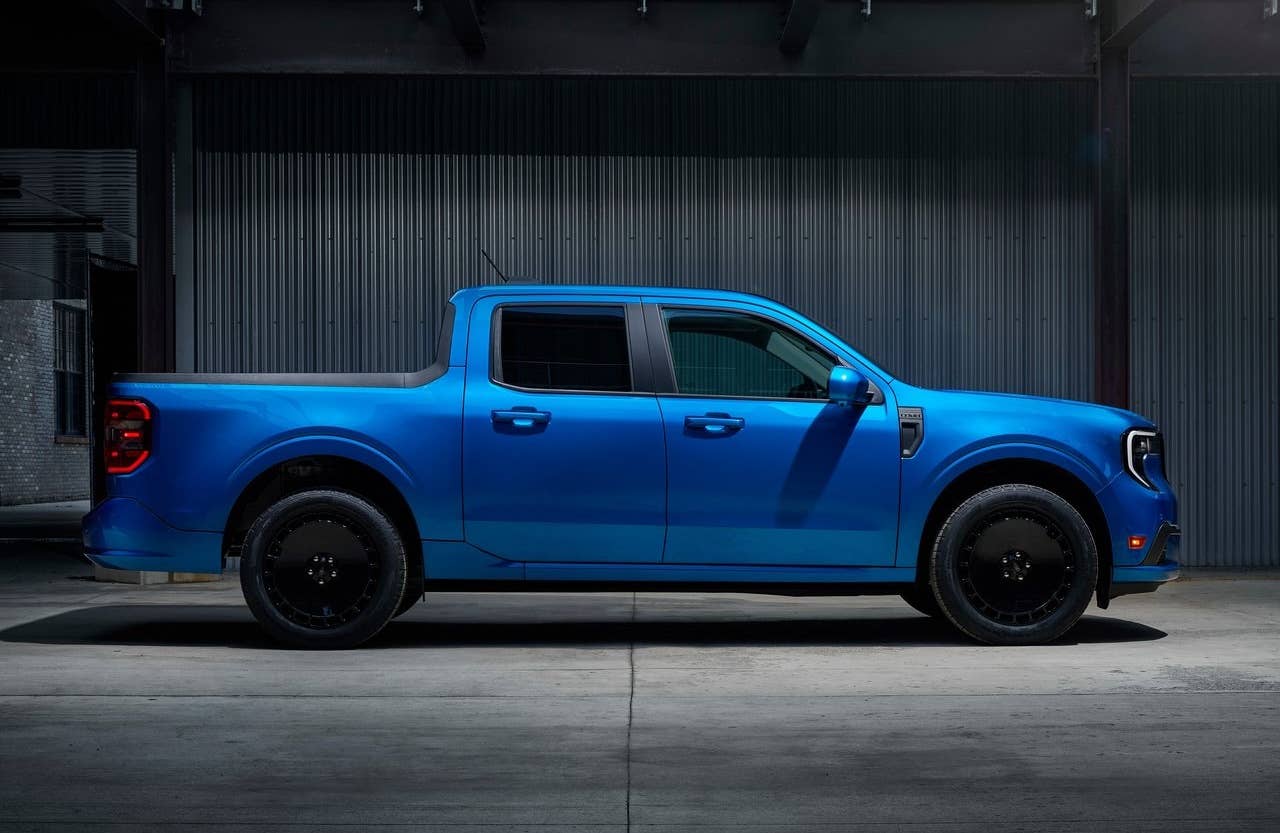
Ford is strategically pivoting its electric vehicle (EV) approach by developing a new $30,000 electric pickup truck, built on a cost-efficient "Universal EV" platform utilizing LFP batteries and innovative production methods. This initiative comes as Ford's EV sales declined 25% following the expiration of federal tax credits, prompting CEO Jim Farley to label it a market "reset." The company aims to capture a broader, more price-sensitive customer base and achieve profitable mass production, with prototypes currently testing and factory upgrades commencing in Louisville later this year, positioning Ford uniquely in a post-incentive market despite anticipated temporary EV market share contraction.
Ford (F) is initiating a significant strategic pivot in its EV division, focusing on a new $30,000 electric pickup truck built on a "Universal EV" platform. This move comes amidst a challenging market, with Ford's EV sales declining 25% in October year-over-year following the expiration of federal tax credits, impacting models like the Mustang Mach-E (-12%) and F-150 Lightning (-17%). CEO Jim Farley characterizes this as a necessary "reset" for the company's EV strategy.
The new EV aims for profitability at a lower price point through innovative manufacturing and battery technology. Ford plans to utilize a segmented assembly process, building truck sections separately to reduce production time and cost, and will integrate cheaper, more durable lithium iron phosphate (LFP) batteries. Production of LFP cells is slated for Marshall, Michigan, later this year, with factory upgrades in Louisville, Kentucky, also commencing this year.
This affordable EV targets a post-incentive market "reset period," appealing to price-sensitive consumers and small businesses seeking practicality over high performance. While CEO Farley anticipates a temporary industry-wide EV market share contraction to 5% from 10-12%, Ford's strategy aims to capture a wider customer base. The company reports 95% component sourcing is complete, indicating rapid development towards a potential mass-market electric work vehicle.
AI-powered research, real-time alerts, and portfolio analytics for institutional investors.
Overall Sentiment
moderately positive
Sentiment Score
0.50
Ticker Sentiment
