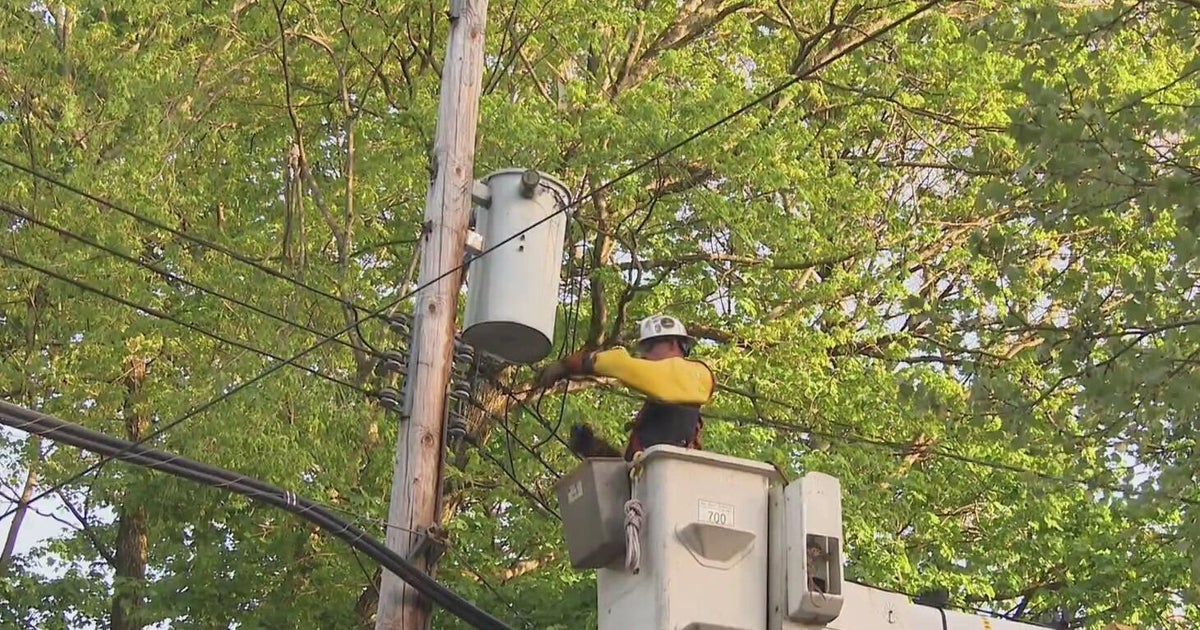
163,000 Duquesne Light customers lost power after Friday's storms; more than 100,000 have been restored, leaving about 41,000 outages as of 11 p.m. Saturday. DLC says changes since last April's storm (which peaked at 325,000 outages) — including a tech upgrade, calling in at least 500 mutual aid trucks now and capacity to handle up to 2,000 — should speed restorations; an estimated time of restoration is expected Sunday. Duquesne Light is partnering with Giant Eagle to provide free ice and water to affected customers through Monday.
Utility responses improving after recent storms will shift the political and regulatory conversation from crisis management to durable resilience funding. Faster restorations reduce acute PR and economic pain, lowering immediate pressure for emergency subsidies but increasing the likelihood of multi-year grid-hardening programs as utilities seek to avoid repeat events; expect regulators to trade off shorter outage times against approving incremental rate base investments over the next 12–36 months.
The operational consequence is a structural bump to specialist contractors and grid-technology vendors: more frequent, predictable restoration work and explicit procurement for sensors, OMS/ADMS upgrades, and logistics platforms. That should compress margin volatility for large contractors with diversified service lines while widening order-book visibility for mid-cap grid-tech names; if utilities reallocate even a low-single-digit percentage of capex to resilience, several contractors could see high-teens to mid-20s percentage revenue upside over 12–24 months.
Supply-chain frictions are the overlooked lever. Short-term hiring and equipment lead-time pressure will favor firms with vertically integrated crews, inventory positions, or long-term parts contracts — winners will be those that can scale crews and preposition inventory regionally, not those relying on spot-subcontracting. Conversely, utilities facing rate-case resistance or fiscal pushback from municipalities could delay projects, creating a binary catalyst window around upcoming public utility commission filings and municipal budget cycles.
Near-term (days) the story is operational; medium-term (months) it’s order books and municipal politics; long-term (years) it’s regulatory precedent and capital allocation. Monitor rate-case dockets, FEMA/state grant announcements, and transformer/crew availability metrics as primary upstream indicators of durable demand versus a one-off spike.
AI-powered research, real-time alerts, and portfolio analytics for institutional investors.
Request DemoOverall Sentiment
mildly positive
Sentiment Score
0.15
