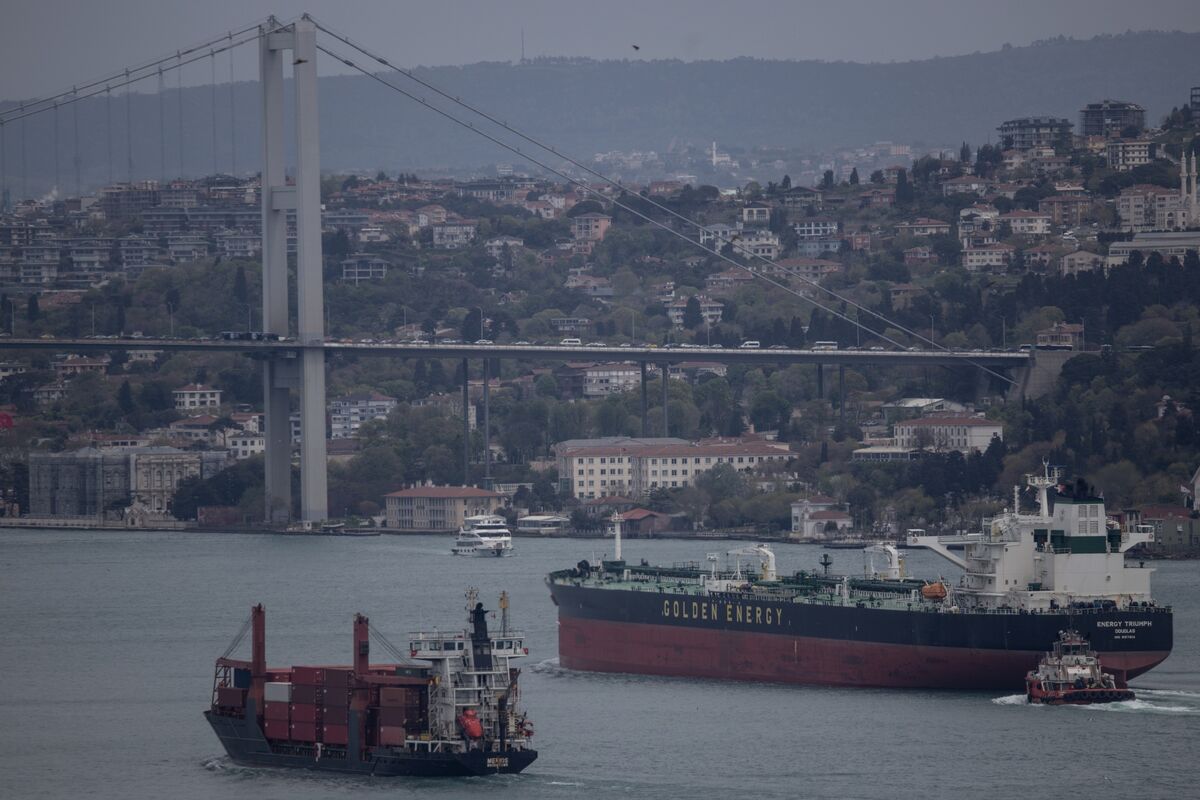
The US briefly advanced a plan to help reopen the Strait of Hormuz, then shelved it hours later after warning it could escalate conflict with Iran. The reversal underscores elevated geopolitical risk around a key global shipping chokepoint that is critical for oil and trade flows. While no physical disruption is reported, the policy uncertainty is likely to keep energy and freight markets on edge.
The market implication is less about the immediate military plan and more about the signaling whiplash: shipping risk premia can widen intraday, but policy reversals this fast cap the durability of any disruption bid. That favors assets tied to prompt physical delivery and routing flexibility over pure directional oil beta, because the real edge is in avoiding bottlenecks rather than betting on a prolonged closure scenario.
Second-order winners are alternative logistics corridors, defense insurers, and operators with optionality in non-Hormuz export routes; losers are refiners and carriers with high Middle East exposure and little charter flexibility. Even without a full blockade, elevated threat levels tend to push up war-risk premiums, vessel turnaround times, and inventory carry costs, which can squeeze margins for downstream industrial users before headline crude materially reprices.
The key tail risk is a short, sharp escalation that forces temporary rerouting and creates a 1-3 week spike in freight and crude volatility, not necessarily a multi-month supply shock. If tensions cool, the trade unwinds quickly because the market is already conditioned to fade overnight geopolitics unless physical disruptions show up in loading data, tanker AIS patterns, or insurance pricing.
Consensus is probably overestimating the odds of a sustained supply shock and underestimating the persistence of elevated logistics friction. The better contrarian setup is to express asymmetry through volatility and spread trades, not outright energy direction: geopolitical headlines can keep risk premium alive even when fundamentals do not justify a structural oil move.
AI-powered research, real-time alerts, and portfolio analytics for institutional investors.
Request DemoOverall Sentiment
mildly negative
Sentiment Score
-0.15
