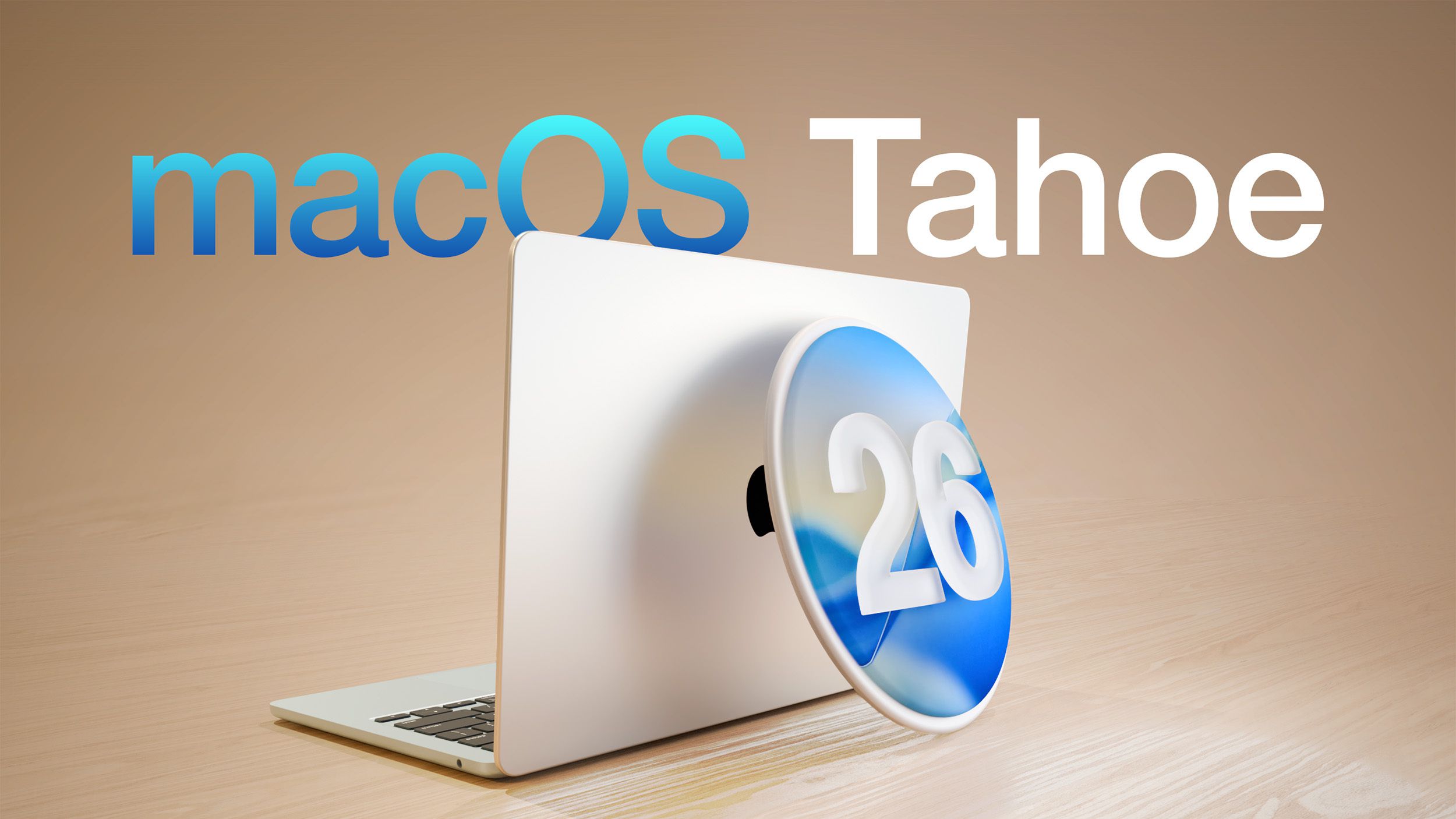
Apple released the third developer beta of macOS Tahoe 26.5, arriving one week after the second beta and following earlier beta builds that showed no new features. The update appears to be a routine software release focused on bug fixes and performance improvements, with developer access available via System Settings and a free developer account. The article also notes Apple's earlier release of macOS Tahoe 26.4 and a first beta of 26.5.
This looks like a low-signal software cycle, but that is exactly what matters: when a major OS train enters the late beta stage with no visible feature content, the market is usually being told the release is about stabilization, not monetization. For Apple, that means the near-term catalyst set is shifting away from headline product excitement toward retention mechanics — fewer bugs, less friction, and a higher probability that users keep default settings and stay inside Apple’s own apps and services stack. The second-order effect is modest but real: better OS reliability tends to support engagement on higher-margin services more than it moves hardware demand.
The more interesting trade is not on the beta itself but on what it implies about cycle timing. A bug-fix-oriented release reduces the chance of a negative developer or enterprise surprise over the next 2-6 weeks, which lowers near-term execution risk into the next iPhone/iPad/Mac purchasing window. That makes downside in AAPL more about macro and valuation compression than product risk; implied volatility around Apple events often overstates the probability of a meaningful beta-driven catalyst when the content is mostly maintenance.
Contrarian view: consensus may be underestimating how much a boring update can matter for installed-base monetization if it improves stability on older Macs. Even a small reduction in friction can preserve upgrade deferral, keeping users on the platform longer and supporting attach rates for iCloud, AppleCare, and App Store spend. The flip side is that if the release remains feature-light, it does little to stimulate replacement demand, so any incremental benefit is likely to show up in services durability rather than hardware acceleration.
AI-powered research, real-time alerts, and portfolio analytics for institutional investors.
Request DemoOverall Sentiment
neutral
Sentiment Score
0.05
Ticker Sentiment
