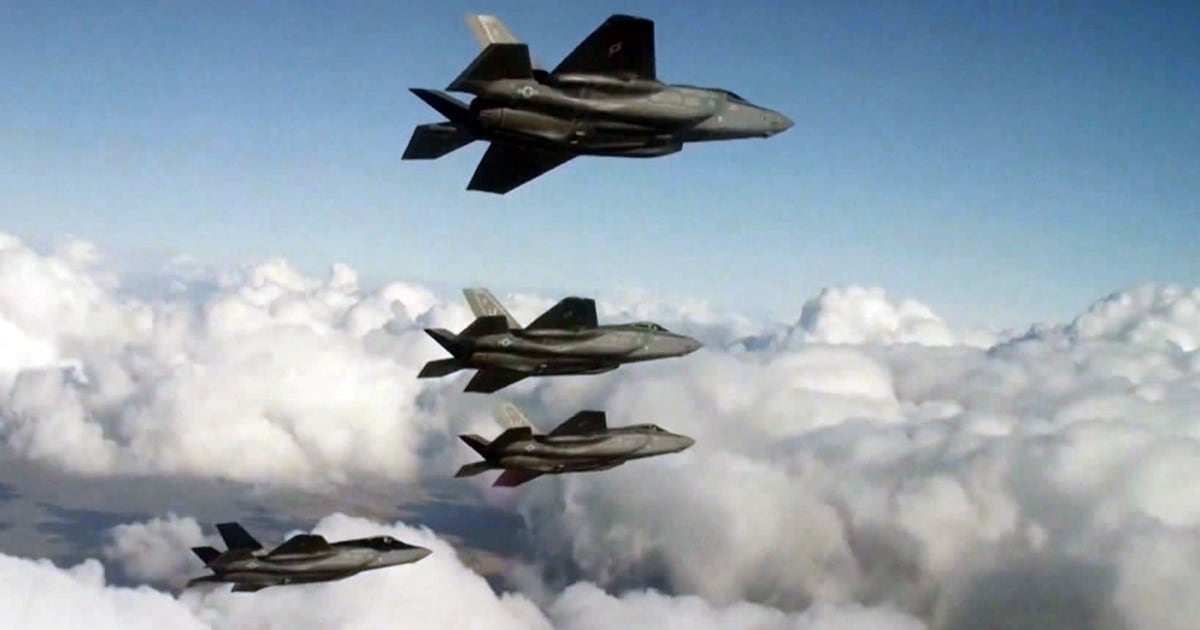
Headline reports Gripens and F-35s on duty in Iceland, signaling a NATO/allied air-policing or rotational defense presence; the article text contains only headlines and shopping boilerplate with no operational details, dates, or financial metrics. As presented, the item is geopolitical/defense news with negligible direct market impact, though investors following defense contractors or regional risk premia may monitor for follow-up operational specifics or procurement implications.
Market structure: Deploying Gripens and F-35s to Iceland primarily benefits aerospace & defense primes (Lockheed Martin LMT, Saab SAAB-B.ST/OTC:SAABF, Raytheon/RTX) plus regional logistics, MRO and radar/sensor suppliers; losers are limited—commercial airlines may see marginal fuel/airspace costs but no material demand shock. This tightens pricing power for specialized sensors, maritime surveillance and MRO services where barriers to entry are high, implying 5–15% revenue upside for contractors awarded northern Atlantic ISR/ASW contracts over 12–24 months. Cross-asset: modest upward pressure on short-dated jet fuel and diesel; FX: ISK and NOK can strengthen on near-term basing/funding announcements (>2% moves); bond markets could see small repricing if multiple NATO states raise capex by >€1–2bn, nudging yields +5–15bps on short end.
Risk assessment: Tail risks include an escalation with Russia that triggers emergency NATO procurement (multi-billion awards) or retaliatory sanctions disrupting supply chains (semiconductor/radar components), both low-prob/high-impact within 0–6 months. Immediate effects (days) are geopolitical repricing and chatter; short-term (weeks–months) is RFPs and logistics wins; long-term (quarters–years) is sustained defense spending and basing infrastructure upgrades. Hidden dependencies: electronics/ASIC suppliers and European defense offset rules could delay deliveries by 6–18 months. Catalysts to watch: NATO communiqués, national budget votes (Norway/UK/Iceland) and specific contract awards >$100m within 30–90 days.
Trade implications: Direct plays: overweight LMT (prime F-35 systems), SAAB-B.ST/SAABF (Gripen lifecycle/MRO) and RTX (sensors/missiles) with 1–3% position sizes, targeting 12–24% upside on contract awards. Pair trades: long SAAB-B.ST (1–2%) vs short narrow-body OEM like EADSY/BA (0.5–1%) if markets price sustained defense rotation; this captures relative re-rating. Options: buy 9–12 month call spreads on LMT (e.g., 12-month 10–15% OTM call debit spread) sized to 1–2% portfolio risk to leverage contract wins. Rotate out of commercial airlines and travel services by 3–5% over 1–3 months.
Contrarian angles: Consensus will underweight small-cap MRO and sensor specialists (e.g., Cobham/Elbit suppliers) — these can re-rate 20–40% on a few sub-$200m contracts, so look for names with backlog <€500m and high tender win rates. Reaction is likely underdone because marketplace assumes limited duration; historical parallels (Cold War patrols to Iceland in 1980s) produced multi-year sustainment spend, not one-off deployments. Unintended consequences: accelerated European onshoring of avionics could pressure US-centric supply chains and create dispersion — avoid broad passive A&D exposure and favor idiosyncratic contractors with Northern Atlantic footprints.
AI-powered research, real-time alerts, and portfolio analytics for institutional investors.
Request TrialOverall Sentiment
neutral
Sentiment Score
0.00
