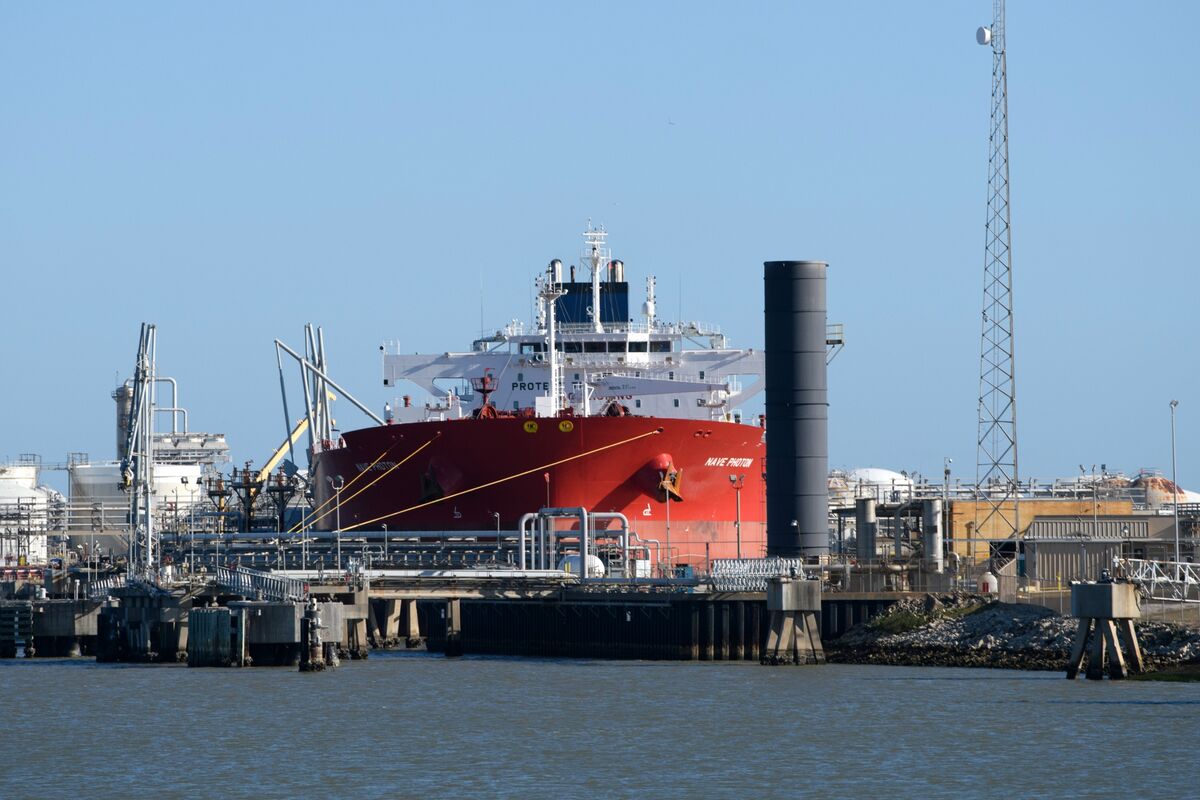
The US plans to ease Venezuela oil sanctions, potentially announcing more individual licenses as soon as this week to allow foreign companies to operate without breaching sanctions. The change is intended to increase Venezuelan crude output to help relieve upward pressure on oil prices amid the Iran war; the magnitude of potential additional barrels and timing remain unspecified.
Winners will skew to operators and service providers with the shortest activation lag and pre-existing footprints in Venezuela — think Chevron/partners and downstream refiners set up to process heavy, high-sulfur crudes. Expect an initial incremental flow of O(0.2–0.5) mb/d over 3–12 months rather than a near-term shock; the bottlenecks are diluent, rotating equipment repairs, and export lift capacity, not diplomacy.
Second-order supply-chain impacts: increased Venezuelan heavy crude will compress heavy/light spreads, improving margins at heavy-crude-focused refiners (Valero/PSX/MPC) while pressuring light-tight US shale differentials and condensate markets (raising synthetic crude/diluent demand). Tanker demand for long-haul routes out of the Caribbean and Atlantic increases, tightening VLCC/AFRA markets and supporting short-term shipping rates.
Key risks and catalysts are asymmetric and time-staggered: policy reversals (domestic US politics), corruption/PDVSA operational failure, or renewed Iran escalation can all wipe out expected volumes within days-weeks; conversely, measurable production recovery requires months and capital inflows, meaning the market can overshoot both directions before fundamentals change. Watch three explicit triggers: (1) licensing announcements (days), (2) first commercial lift volumes reported (6–12 weeks), and (3) sustained export cadence >2 months (3–9 months).
Contrarian takeaway: the market will likely price a faster and larger supply response than is realistic. That argues against naked long oil exposure and in favor of structure that monetizes the front-month fragility (calendar spreads, refiners, tankers) while protecting versus a geopolitical upside spike. Names with existing operational control in Venezuela will realize most optionality faster than financiers or firms needing new agreements.
AI-powered research, real-time alerts, and portfolio analytics for institutional investors.
Request DemoOverall Sentiment
neutral
Sentiment Score
0.10
