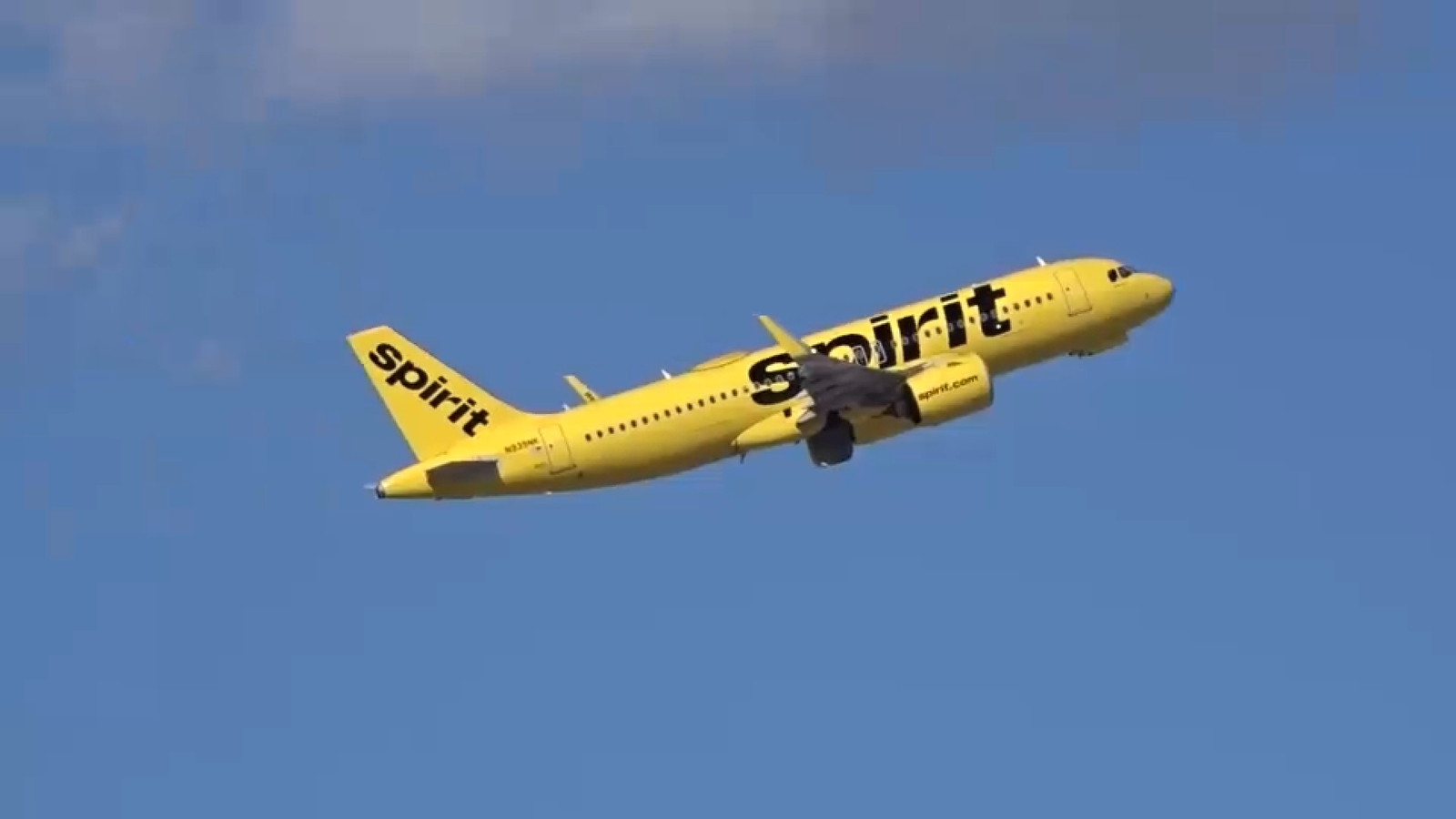
Spirit Airlines is reportedly on the verge of liquidation as it struggles through a second bankruptcy, with soaring fuel costs tied to the war in Iran cited as a likely catalyst. The airline said last month it would restructure around updated fleets, premium ticket options, and stronger routes including Fort Lauderdale, Orlando, LaGuardia, and Newark. A shutdown would immediately end operations and could lift fares industry-wide, according to travel expert Zach Griff.
If Spirit disappears, the first-order equity loser is not the airline itself so much as every carrier that has been forced to defend share against its pricing discipline. Ultra-low-cost capacity has been the marginal price-setter on many leisure-heavy routes, so removing that anchor should lift unit revenues across domestic short-haul flying with the biggest benefit to carriers that already have scale, loyalty, and ancillary monetization power. The second-order effect is that airport slot and gate scarcity in constrained metro markets becomes more valuable, which improves the strategic value of holdings at LaGuardia, Newark, Orlando, and Fort Lauderdale for incumbents with existing footprints.
The market is likely underpricing how quickly this can ripple through fares because airline capacity removal is an immediate mechanical event, while aircraft redeployment is slow. In the next 1-3 months, the key transmission is yield expansion rather than traffic growth: competitors can raise base fares and ancillary fees before demand fully recalibrates, especially on price-sensitive leisure routes. Over 6-12 months, the more durable winner is whichever carrier can absorb displaced customers into a loyalty ecosystem, turning a short-term capacity shock into sticky share gains.
The contrarian risk is that this is a self-limiting price spike for the industry if fuel normalizes or if regulatory/financing support delays liquidation. A liquidatorless restructuring would keep seats in the market and blunt the pricing impulse, while a rapid rise in fares could trigger demand destruction among the exact customer cohort Spirit serves. In other words, the trade is strongest as a near-term event-driven spread trade, not a long-duration bullish thesis on the entire airline complex.
AI-powered research, real-time alerts, and portfolio analytics for institutional investors.
Request DemoOverall Sentiment
extremely negative
Sentiment Score
-0.90
