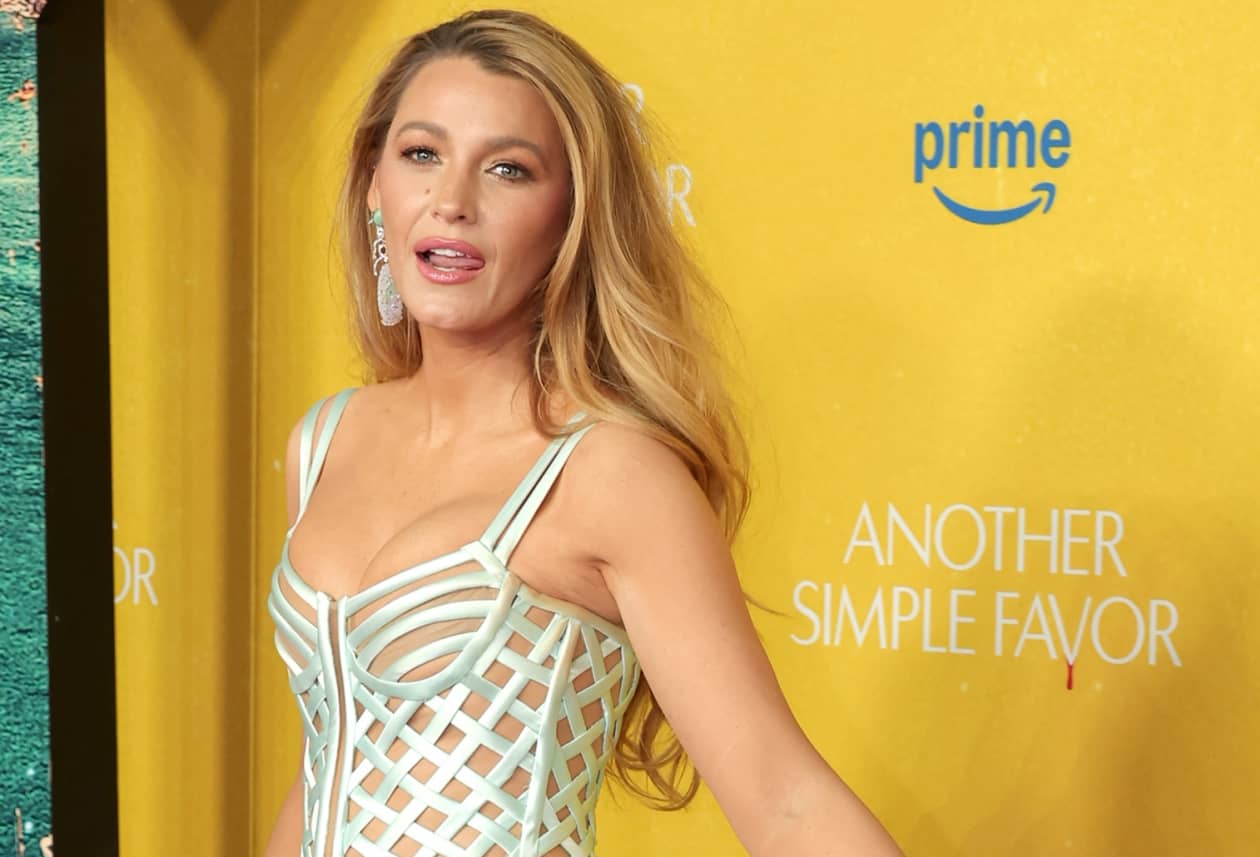
Blake Lively reportedly told a New York court she lost more than $40 million due to reputational damage tied to her ongoing legal feud with Justin Baldoni. The dispute stems from her December 2024 lawsuit accusing her former costar of sexual harassment and retaliation. The article is primarily legal and entertainment-focused, with limited direct market impact.
This is less about the celebrity dispute itself and more about the monetization of reputation risk in media-driven businesses. The second-order issue is that talent-centric franchises now have an implied litigation haircut: brands, studios, and co-stars can face delayed greenlights, higher insurance/friction costs, and more conservative marketing spend whenever off-screen controversy becomes part of the commercial narrative.
The immediate beneficiaries are counsel, crisis-PR firms, and any counterparties whose leverage improves when a project’s promotional cycle becomes toxic. For media owners and streamers, the bigger risk is not a one-off title impairment but a broader discount on “star-led” content economics if advertisers and distributors conclude that attachment to polarizing personalities can create open-ended reputational liabilities over a 6-18 month window.
The market is likely underpricing the tail that this escalates into discovery disclosures, countersuits, or settlement terms that keep the story alive and extend the drag on future project velocity. If the legal process narrows quickly or both sides settle before substantive testimony, the reputational overhang can compress sharply; otherwise, every new filing is a catalyst for renewed social amplification and incremental brand caution.
Contrarianly, the headline dollar figure may not map cleanly to durable economic damage. In attention-based media, controversy can also increase visibility and negotiating leverage for future packaging, so the real economic loss may be concentrated in near-term endorsements and launch campaigns rather than long-run earning power. That suggests the tradeable edge is in companies with direct exposure to celebrity-dependent advertising or film marketing budgets, not in broad media indexes.
AI-powered research, real-time alerts, and portfolio analytics for institutional investors.
Request DemoOverall Sentiment
moderately negative
Sentiment Score
-0.40
