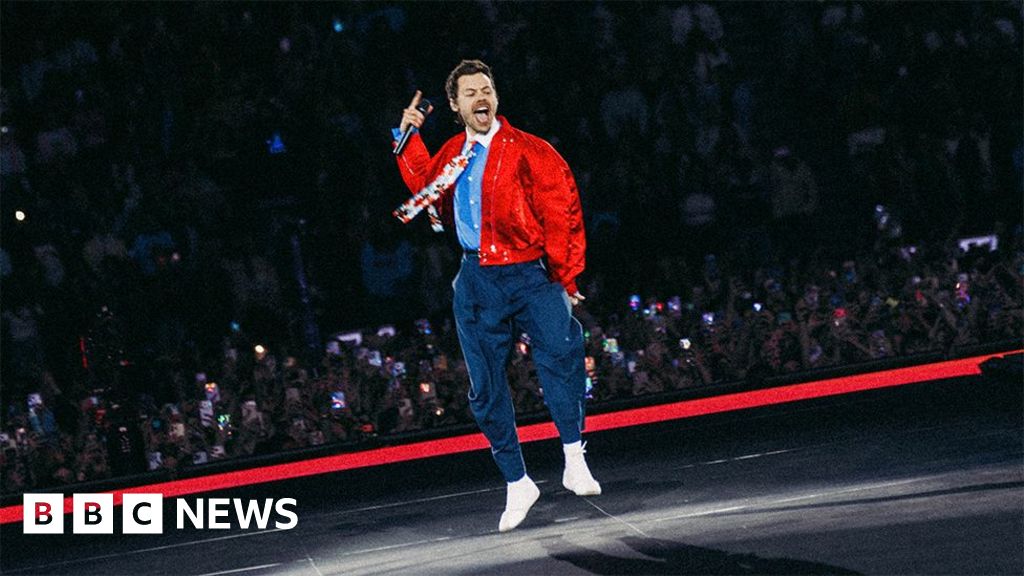
Harry Styles' 67-date world tour is under review after fans complained that the staging created obstructed views, especially in the floor/pit sections in Amsterdam. The team says restricted eyelines are being adjusted where possible, with changes expected before the London shows in June and July. The issue has also raised criticism over ticket prices and the added cost of travel and hotels for fans.
This is a microcosm of live-event pricing power meeting product execution risk. The immediate loser is not just the artist brand but the entire premium ticketing stack: promoters, venue operators, and VIP package distributors are exposed to refund pressure, chargebacks, and softer willingness to pay for future “premium” floor access if customers conclude the differentiated experience is illusory. That matters because the high-margin part of touring economics increasingly comes from add-on pricing, not just seat inventory, so even a modest trust hit can compress ARPU across the next 1-2 touring cycles.
The second-order issue is reputational contagion across the concert sector. Other major tours using immersive or in-the-round staging will now face higher pre-sale scrutiny, more legal language around sightlines, and potentially lower conversion on premium floor tiers. Venue operators may also be forced to redesign temporary structures or shoulder incremental capex to avoid future complaints, which could slow set-up timelines and raise production costs for large-scale shows.
Catalyst-wise, this is a days-to-weeks issue for the current run, but the real risk window is the next 2-3 months as the London leg approaches: any visible redesign will be read as admission of failure, while no redesign raises the probability of social-media amplification and compensation claims. The contrarian view is that this may not hit demand as hard as headlines imply because core fans often tolerate execution flaws if the artist experience is scarce and emotionally valuable; the main damage may be to premium upsells rather than total attendance. In other words, the market should focus less on ticket sales destruction and more on margin leakage, brand discount rates, and whether future tours can still command the same premium for floor access.
AI-powered research, real-time alerts, and portfolio analytics for institutional investors.
Request DemoOverall Sentiment
mildly negative
Sentiment Score
-0.20
