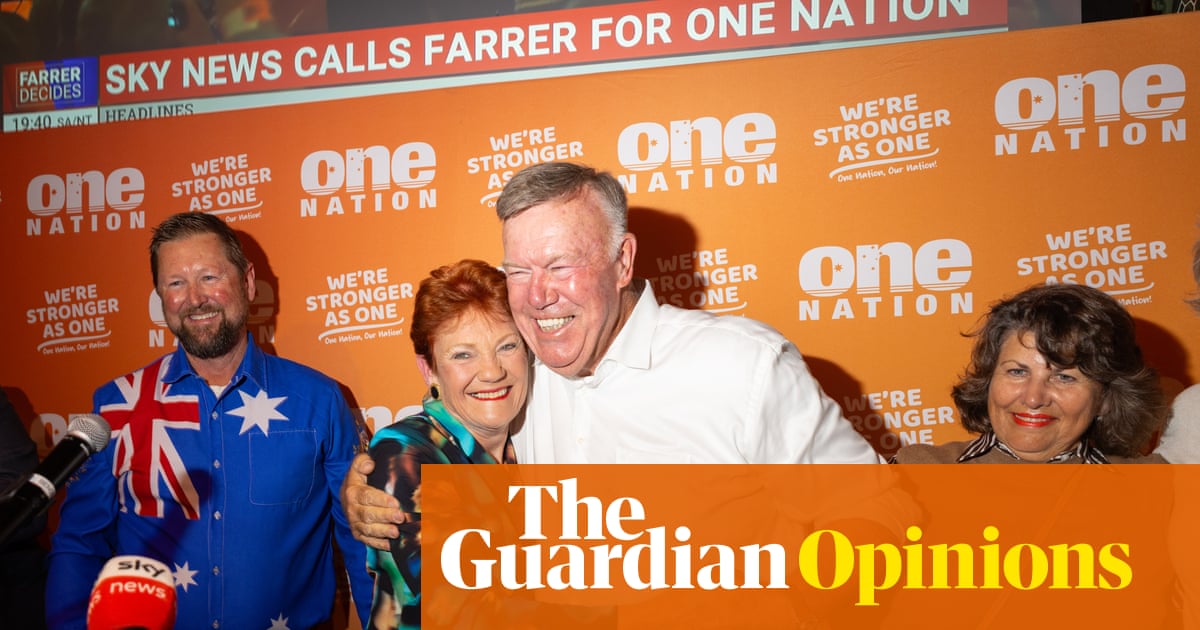
One Nation won its first lower-house seat in 30 years, taking the NSW seat of Farrer and highlighting the growing weakness of Australia’s two-party system. The result is politically negative for the Coalition, with the Liberals and Nationals combined polling under 20% of the primary vote and right-wing populism gaining momentum. The article suggests the loss strengthens Labor’s position ahead of the 2028 federal election, but the immediate market impact is limited.
The market implication is not a clean “right-wing surge” trade; it is a fragmentation trade. When a protest vehicle starts converting local dissatisfaction into parliamentary representation, it usually hurts the incumbents first through vote dispersion, then through policy drift as mainstream parties chase the median voter they just lost. That tends to create a slower-burn but durable discount to Coalition fundraising efficiency, candidate quality, and message discipline ahead of the next federal cycle.
The second-order effect is more important for positioning than the headline win: a weaker two-party system raises the odds of a hung parliament, policy concessions to crossbenchers, and more abrupt swings in regulatory and fiscal expectations. For domestically oriented equities, that means higher headline risk around migration-sensitive sectors, regional infrastructure, housing, healthcare capacity, and public-service wage pressure. The earnings hit is not immediate; the bigger risk is multiple compression from policy uncertainty and lower confidence in forward planning over the next 12-24 months.
The contrarian point is that this may be more of a Coalition-specific implosion than a broad populist regime change. If One Nation’s new base is still personality-led and internally brittle, the ceiling remains lower than the media narrative suggests, and the real beneficiary could simply be Labor’s incumbency premium rather than a structural re-rate for the far right. But that does not make the signal harmless: even a capped populist vote share can be enough to force preference deals, splinter conservative vote share in marginal seats, and keep the opposition in disarray into the election window.
The cleanest expression is not to buy or sell “Australian politics” broadly, but to position for higher domestic policy uncertainty and lower Coalition odds over the next 6-18 months. The setup favors quality defensives over politically exposed cyclicals, and it argues for optionality rather than outright directional bets because sentiment can reverse quickly if the opposition changes leader or tightens its message. The key catalyst to monitor is whether this win accelerates defections, preference renegotiations, or polling evidence that One Nation is siphoning enough primary vote to alter seat math nationally.
AI-powered research, real-time alerts, and portfolio analytics for institutional investors.
Request DemoOverall Sentiment
mildly negative
Sentiment Score
-0.15
