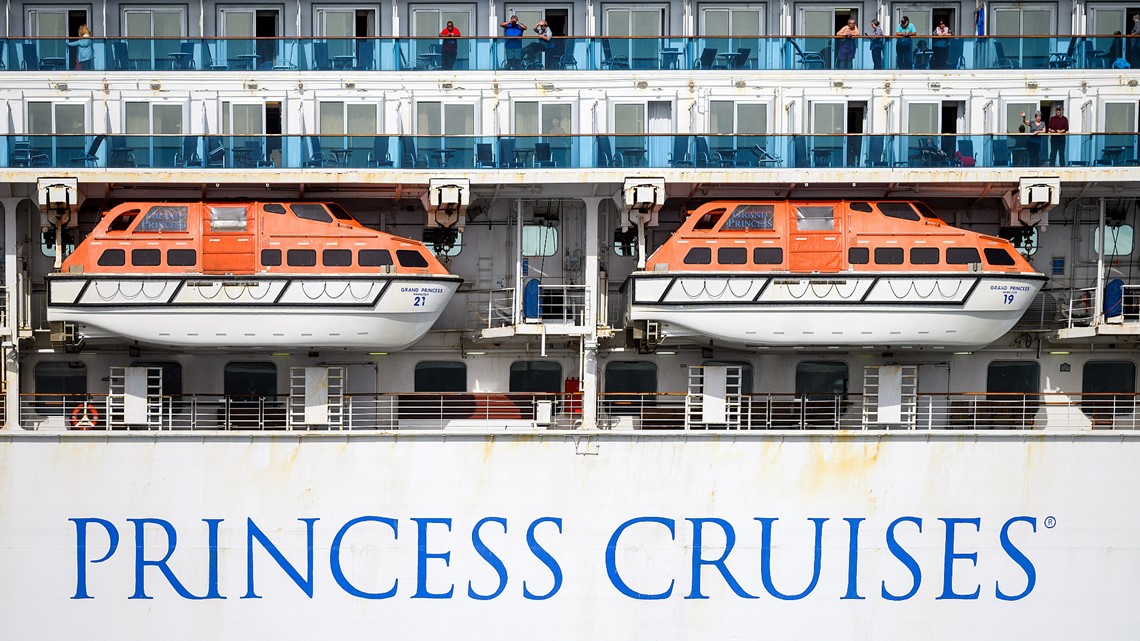
153 people (104 passengers, 49 crewmembers) reported gastrointestinal illness during the Star Princess March 7-14 voyage — ~2.4% of passengers and ~3.1% of crew, or ~2.6% of everyone onboard. The CDC’s Vessel Sanitation Program was notified March 11 and identified norovirus as the likely cause; the ship increased cleaning/disinfection, isolated ill individuals and collected stool samples. The vessel returned to Fort Lauderdale on March 14 and CDC reiterated reporting requirements and prevention guidance (handwashing, prompt reporting).
This event is a localized reputational and operational shock that disproportionately hits the lowest-margin, high-frequency elements of the cruise business: short-notice cancellations, onboard revenue (F&B, excursions), and incremental medical/sanitation spend. Expect near-term yield pressure on promotional activity and temporary downgrades to booking curves in markets where social-media amplification is strongest; a 1–3% transitory revenue hit over the next 4–8 weeks to exposed itineraries is a plausible stress scenario, even if annual guidance remains intact.
Second-order beneficiaries are vendors selling disinfection, laundry, and industrial sanitation services which can reprice rapidly and secure recurring contracts across fleets; these vendors can convert modest volume into outsized margin expansion because cruise lines are willing to pay to avoid reputational damage. Conversely, short-duration subcontractors (shore-excursion operators, small F&B suppliers, local tour partners) face concentrated demand volatility and potential payment delays, amplifying credit risk in the supplier chain.
Key catalysts to watch in the coming weeks are: vessel-level operational notices, CDC/VSP follow-ups, line-item commentary on incremental opex in quarterly calls, and booking cadence for the next 60–120 days. A wider industry re-rating requires either (a) a cluster of additional high-visibility outbreaks across multiple major brands or (b) sustained negative booking trends into peak travel season — otherwise effects should be muted.
Contrarian lens: markets often over-price short-lived health scares into multi-quarter demand collapses. Because norovirus transmission is highly seasonal and self-limiting, any meaningful dislocation will likely be concentrated and mean-reverting within 1–3 months; the best asymmetric opportunities are tactical hedges or option structures that monetize near-term fear while keeping exposure to the recovery intact.
AI-powered research, real-time alerts, and portfolio analytics for institutional investors.
Request DemoOverall Sentiment
neutral
Sentiment Score
0.00
