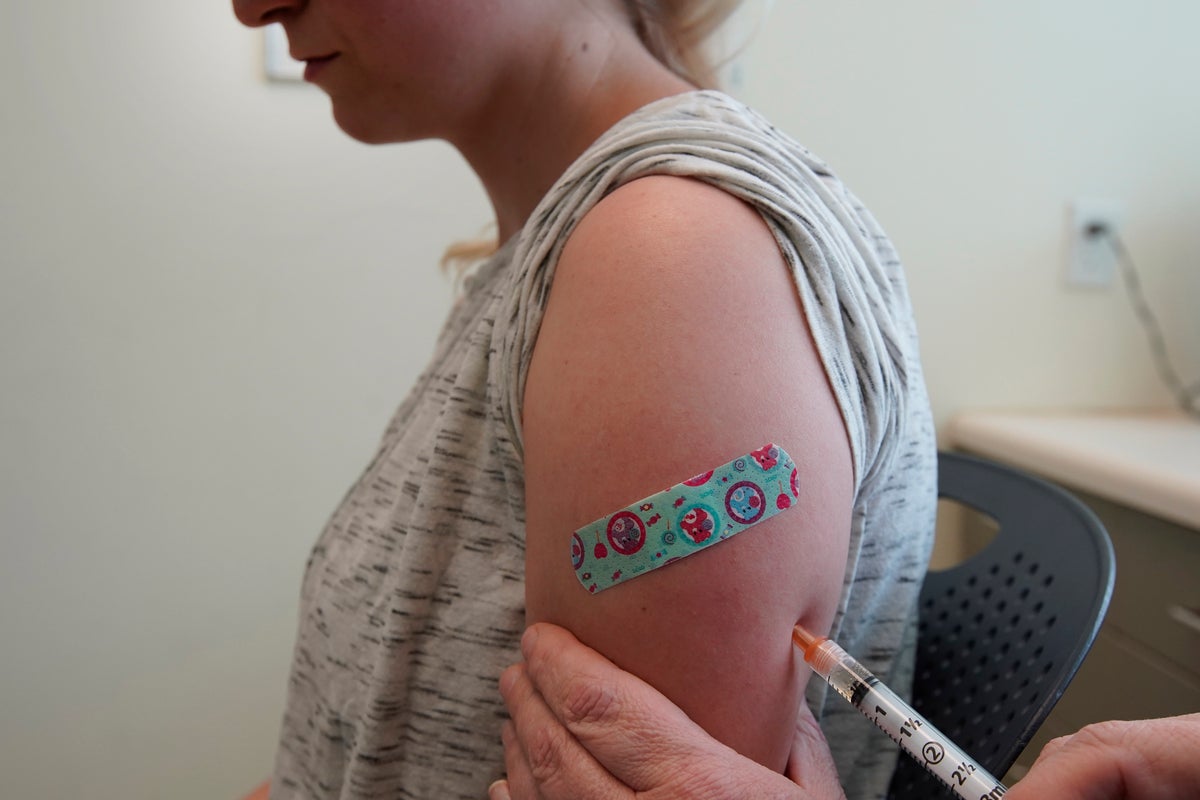
Utah's measles outbreak has surpassed 600 cases, accounting for a sizable share of the 1,748 confirmed U.S. cases, with more than 510 of Utah's 602 cases occurring in unvaccinated people. About 14% of cases in Salt Lake City required hospitalization, and only around 10% of patients had received at least one measles vaccine dose. The article highlights low vaccination rates, high exemption usage, and ongoing public health risk, but it is primarily a health-news item with limited direct market impact.
The marketable read-through is not a broad healthcare trade; it is a localized risk to discretionary foot traffic, school attendance, and certain venue-dependent operators in Utah and adjacent states. The second-order effect is higher near-term demand for diagnostics, urgent care capacity, and immunization supply, but the bigger secular implication is that vaccine-preventable outbreaks increasingly function as a sentiment shock rather than a direct earnings event. That matters because businesses with dense congregate exposure — retail, hospitality, education services, and event venues — can see operational friction long before any macro data shows up.
The trend is vulnerable to policy and behavior shifts rather than biology. If public health messaging, school-enrollment enforcement, or employer-led vaccination campaigns tighten over the next 4-12 weeks, case counts can roll over quickly; if not, the risk is a multi-month spread into neighboring states with low uptake pockets. The market is likely underpricing the tail where a single outbreak in a major metro drives temporary labor absenteeism and localized consumer avoidance, which hits same-store sales and staffing efficiency more than headline CPI.
The contrarian angle is that the direct financial winner is probably not a pure-play vaccine manufacturer but the broader testing, public health, and retail pharmacy ecosystem with immediate access points for MMR catch-up campaigns. The overreaction risk is on the downside for Utah-exposed leisure and retail names if investors extrapolate from a public health story into a durable demand impairment; that should fade if hospitalization rates stay contained and transmission continues to decelerate. The more durable thesis is a modest lift to pharmacy traffic and immunization volumes over 1-2 quarters, not a structural re-rating of healthcare equities.
AI-powered research, real-time alerts, and portfolio analytics for institutional investors.
Request DemoOverall Sentiment
mildly negative
Sentiment Score
-0.40
