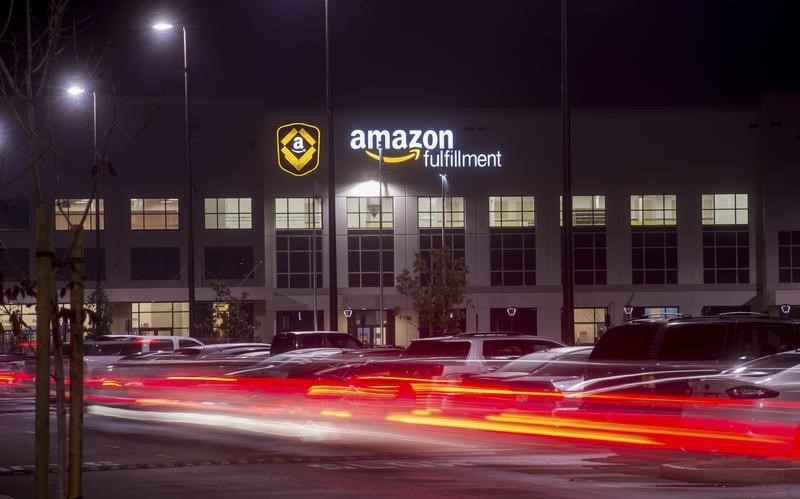
A U.S. district judge issued a preliminary injunction requiring Perplexity AI to temporarily halt its Comet browser agent from accessing password-protected areas of Amazon (including Prime accounts) and to destroy copies of Amazon data, with the order stayed for one week to allow appeal. The move stems from an Amazon lawsuit alleging computer fraud and unauthorized access; the ruling creates a near-term operational and legal headwind for Perplexity and may set a precedent constraining AI shopping-bot activity. Expect limited market impact concentrated on the companies involved and potential regulatory scrutiny of similar AI-enabled automation tools.
The ruling crystallizes a structural shift: control over authenticated user flows is becoming a gate that platforms can monetize and defend. Expect Amazon and other large marketplaces to accelerate formal API programs and tightened token-based access over the next 6–24 months; that raises switching costs for AI shopping agents and reduces the addressable “free” scraping layer that many startups rely on.
Identity, authentication and edge-security vendors are the logical second-order beneficiaries because the technical fix is tokenized consent and stronger session governance. Vendors that sell SSO/MFA, bot-detection and API gateways should see procurement cycles shorten from quarters to months as retailers rush to harden customer sessions and create auditable partner integrations.
Startups built on browser-automation/scraping face a binary outcome: negotiate paid integrations or re-architect to opaque, privacy-first models. This will compress valuations and force consolidation in 6–18 months; buyers will be platform-friendly incumbents seeking to internalize comparison/agent capabilities rather than support third-party access.
Risk is concentrated in the legal and technical follow-through: an overturned injunction or a standardized, consent-first browser API could reopen the channel within weeks to months, reversing winners/losers quickly. Monitor appeals, proposed API rollouts from major marketplaces, and any regulatory guidance on automated agents — those are the three near-term catalysts that will determine whether this is a durable structural win for platforms or a temporary pause for startups.
AI-powered research, real-time alerts, and portfolio analytics for institutional investors.
Request DemoOverall Sentiment
mildly negative
Sentiment Score
-0.25
Ticker Sentiment
