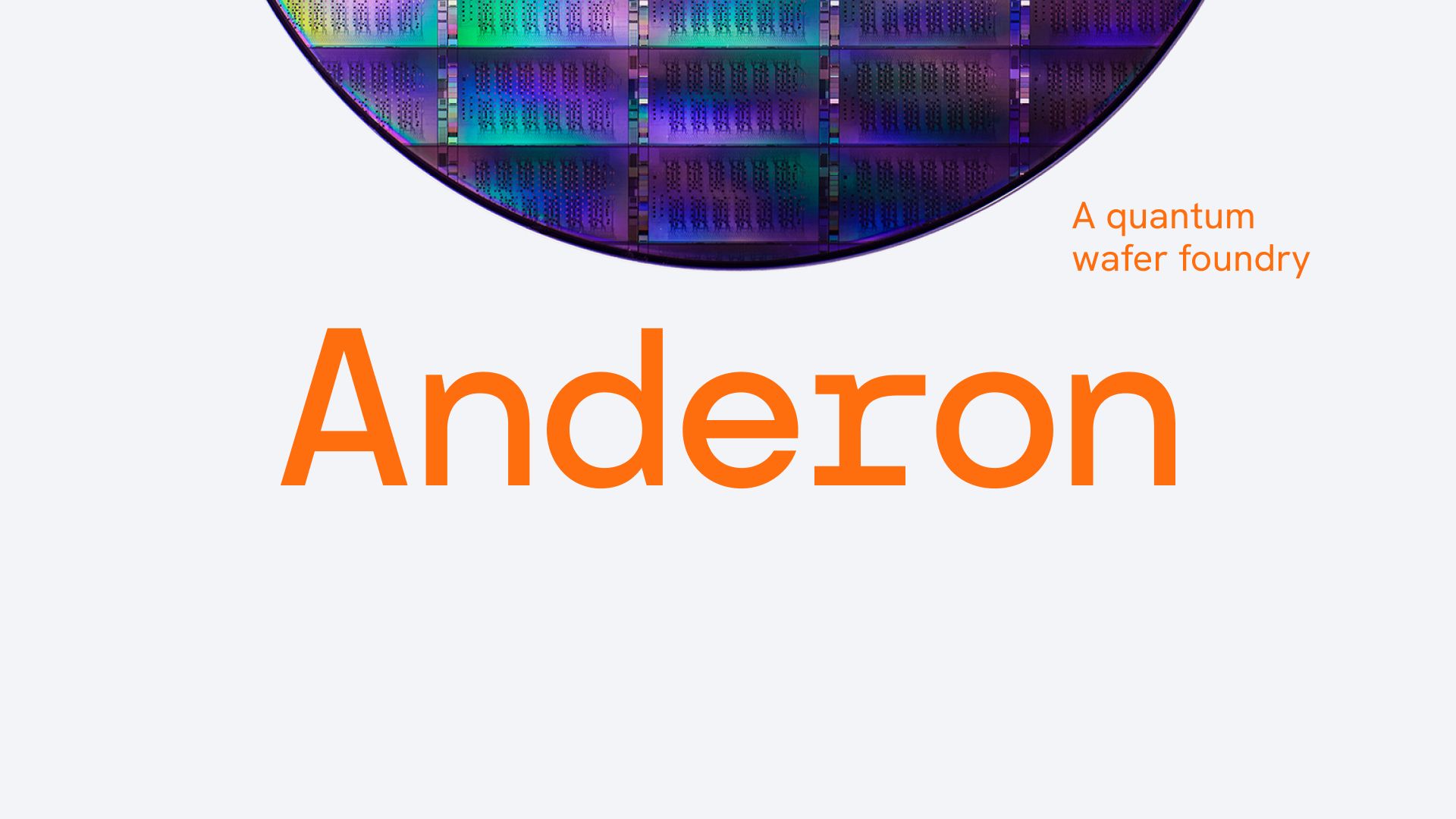
IBM announced Anderon, a standalone quantum chip foundry backed by a proposed $1 billion CHIPS Act R&D award and a matching $1 billion IBM cash investment, making up part of a $2.013 billion U.S. quantum funding package. The new Albany-based foundry will operate a 300mm quantum wafer fab and provide manufacturing services to other quantum hardware vendors, positioning IBM to build a TSMC-like model for superconducting quantum chips. The deal is significant for IBM and the quantum hardware ecosystem, though it is not yet finalized and could change during due diligence.
This is less a pure quantum catalyst than a state-backed industrial policy bid to create the first real toll-road in superconducting hardware. If it works, IBM converts a capital-intensive internal cost center into an ecosystem choke point: process design kits, test data, packaging know-how, and yield learning become recurring revenues and, more importantly, a strategic gatekeeper advantage. The second-order winner is the semiconductor toolchain around 300mm specialty processing, where metrology, deposition, and advanced packaging vendors can sell into a multi-tenant fab model rather than a single captive program.
The near-term market impact is narrower than the headline suggests because the addressable customer set is tiny and trust is the bottleneck, not capacity. A rival superconducting startup using IBM’s foundry would be effectively outsourcing process IP to a competitor with the deepest commercial stack and the broadest enterprise distribution, so adoption may lag by quarters or never happen. That makes the biggest economic upside dependent on IBM using external tenants to amortize fixed costs and accelerate learning curves, rather than meaningful near-term wafer volume.
The main loser is not Google or trapped-ion players; it is the idea that every serious quantum company must vertically integrate its own fab. That should pressure balance sheets across the smaller superconducting cohort because capital intensity just rose relative to the perceived benchmark, while companies with non-overlapping architectures gain strategic optionality. For Intel, the signal is more negative than positive: Washington is willing to use equity, conditionality, and targeted industrial policy to back winners, which raises the bar for legacy foundry turnaround narratives if they cannot show strategic uniqueness.
The contrarian view is that the market may be overestimating the durability of the subsidy and underestimating execution risk. Proposed awards can be cut during final diligence, and the commercial runway for quantum hardware is still years away; if federal support slows after the headline phase, the foundry could become a subsidy-dependent asset with limited private demand. In that scenario, IBM gets strategic prestige but not enough external throughput to justify the capex, while suppliers and small quantum names could see a classic “announce first, monetize later” gap widen sharply.
AI-powered research, real-time alerts, and portfolio analytics for institutional investors.
Request DemoOverall Sentiment
moderately positive
Sentiment Score
0.45
Ticker Sentiment
