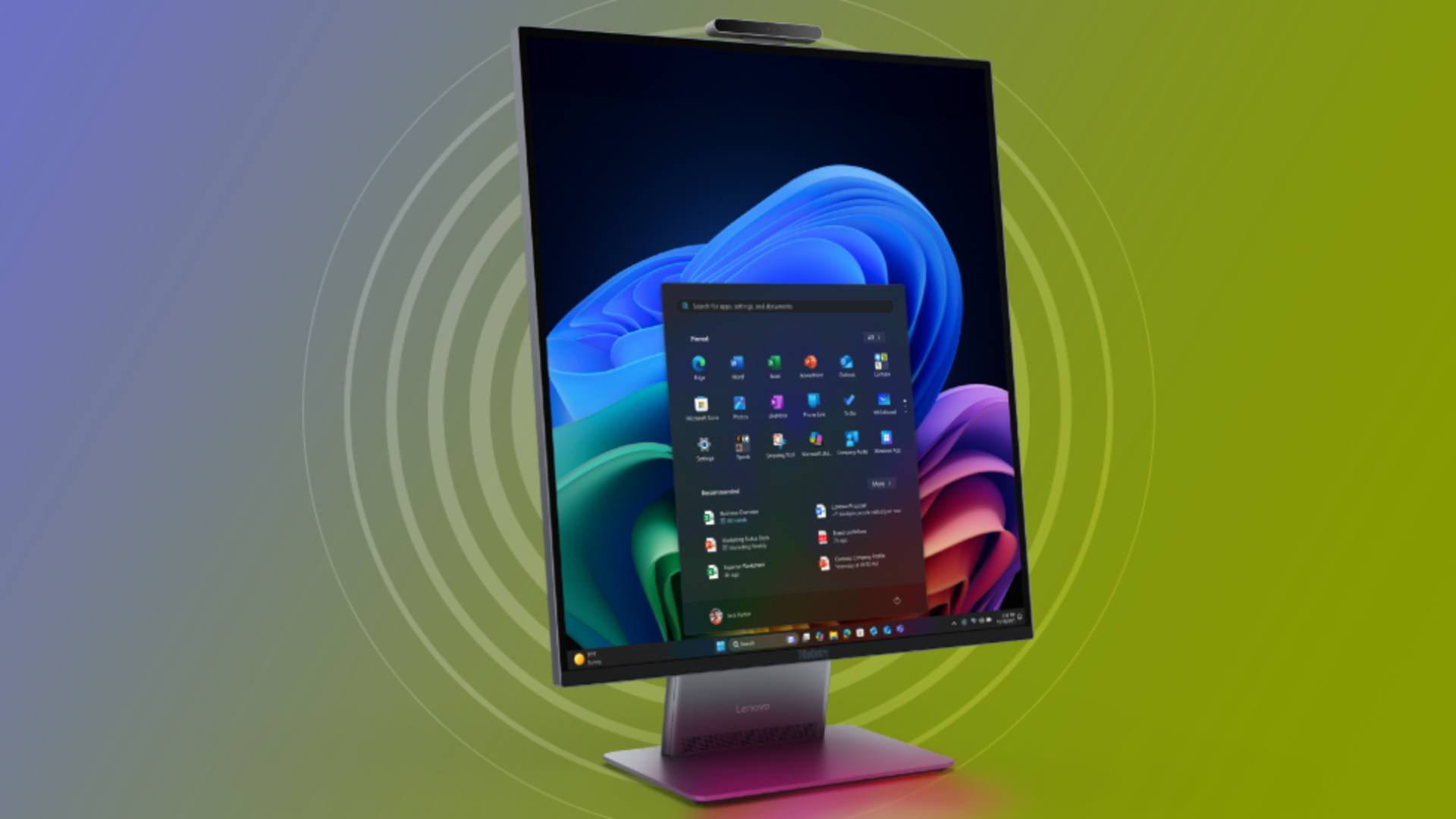
Lenovo introduced the ThinkCentre X AIO Aura Edition at CES 2026, an all-in-one PC centered on a near-square 27.6-inch QHD (2560x2880) 16:18 display, powered by Intel Core Ultra X7 Series 3 processors with Intel Arc graphics (up to 12 Xe cores), up to 64GB LPDDR5x, dual M.2 SSD slots, Wi‑Fi 7, and optional 16MP Smart AI camera with 4K capture and presence-detection/privacy shutter. Its DeskView document-capture software, split-screen PC/monitor capability, and enterprise privacy features create a differentiated workstation offering likely to appeal to verticals that prioritize vertical workspace and document workflows, but the announcement alone is unlikely to move Lenovo’s stock materially without pricing, volume or channel details.
Market structure: Lenovo’s ThinkCentre X AIO Aura Edition and Intel’s inclusion of Core Ultra X7/Arc signal incremental demand up the stack — workstation OEMs (Lenovo 0992.HK / LNVGY OTC) and panel suppliers (e.g., LG Display 034220.KS, Samsung Electronics 005930.KS) are primary beneficiaries, with potential ASP uplift of ~5–10% for premium 28" vertical workstations over 12–24 months. GPU incumbents (NVDA) are largely unaffected near-term; Intel (INTC) gains modest CPU share and channel leverage but must translate CES interest into corporate procurement cycles to move the needle.
Risk assessment: Tail risks include poor enterprise adoption leading to channel inventory and 20–30% device return/write-downs within 6–12 months, regulatory/privacy restrictions on 16MP AI cameras in the EU within 3–9 months, and supply constraints for LPDDR5x causing 5–15% memory cost volatility short-term. Catalysts that will accelerate adoption are large corporate pilots announced within 3–6 months or OEM design wins disclosed at FY reports; absence of orders by Q3 2026 is a negative signal.
Trade implications: Tactical ideas: overweight INTC (establish 2–3% long, target +20–30% in 12 months, stop -12%) to capture CPU/platform content gains and Wi‑Fi7/BT6 ecosystem upside; trade LG Display (long 1–2%) for panel ASP re-rating vs short HP Inc. (HPQ) or DELL (short 1–2%) where margin dilution from niche formats is likelier. Use defined-risk options: buy 3–6 month INTC call spreads 10–20% OTM sized to 0.5–1% portfolio risk to play near-term order announcements.
Contrarian angle: The market will likely overstate broad adoption — expect initial volumes to be niche (<5% enterprise desktops in 12 months) and adoption-driven by software/workflow lock‑ins not hardware novelty. If panel suppliers’ stocks price in large rollouts, that is a 6–12 month short opportunity; conversely, a small number of large corporate wins (one or two >$50M channel deals) could re-rate OEMs quickly, so watch order disclosures closely.
AI-powered research, real-time alerts, and portfolio analytics for institutional investors.
Request DemoOverall Sentiment
mildly positive
Sentiment Score
0.25
Ticker Sentiment
