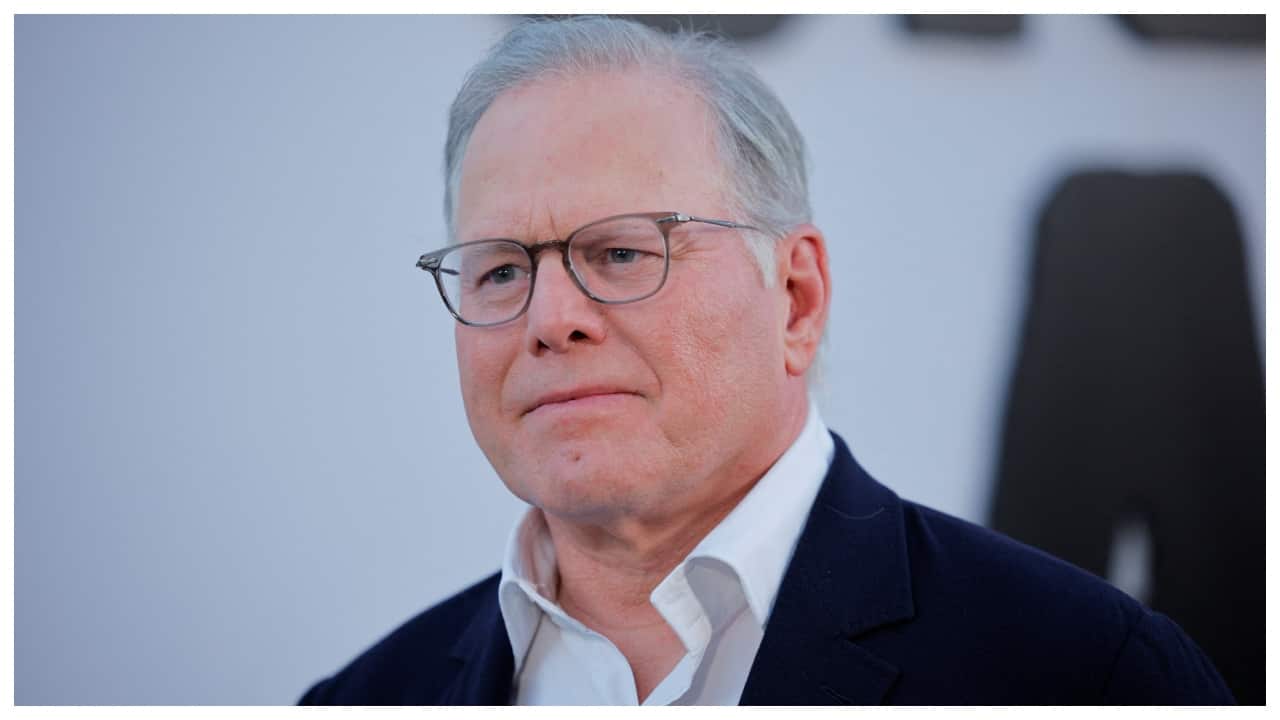
Warner Bros. Discovery agreed to a $111 billion sale to Paramount at $31 per share after a bidding process in which Netflix stepped back from an earlier ~$83 billion approach, creating a substantial premium that more than doubled the company’s valuation within months. The deal—backstopped by Larry Ellison and cleared of certain escape clauses by David Ellison—values David Zaslav’s equity stake at roughly $790 million, follows a strategic split of cable from studio/streaming assets that increased optionality for buyers, and now awaits regulatory approval that would combine major studio assets and news networks under one conglomerate.
Market structure: The Paramount-WBD bid crystallizes immediate winners (WBD shareholders, Paramount/Ellison via scale) and losers (potential acquirers like NFLX that backed away and mid-sized studios losing pricing leverage). Combined studio+network scale increases bargaining power for subscription and ad rates—expect 5-10% greater negotiating leverage on third-party distribution and ad CPMs over 12–24 months. Credit markets will absorb ~$40–70bn of incremental financing risk for Paramount (deal size ~USD111bn); expect spread compression for WBD equity and widening of mid‑corp media bond spreads by 20–50bp on transaction risk.
Risk assessment: Tail risks center on regulatory block/structural remedies (DOJ/FTC suit or forced divestitures of CNN/CBS) that could reduce deal value by 20–50% and introduce 3–12 month delays. Short horizon (days–weeks): arb spread trades dominate; medium (3–9 months): regulatory review and financing syndication; long-term (1–3 years): integration execution, subscriber churn, and content cannibalization determine value. Hidden dependencies include political scrutiny of news consolidation and Oracle/Larry Ellison governance influence that can alter capital allocation; key catalysts are regulator filings (watch 30–90 day windows) and financing signatures.
Trade implications: Primary actionable is event-arb on WBD: buy-to-close exposure near deal price with tail hedges (protective puts) and size capped at 1–3% NAV given regulatory binary. Relative value: go long DIS or CMCSA (1–2% each) vs short NFLX (0.5–1%) to express consolidation winners vs pure-streaming growth risk. Options: consider buying WBD Jan 2027 $27–$30 puts as 1:3 downside insurance or selling short-dated covered calls to capture carry if spread compresses.
Contrarian angles: Consensus assumes regulatory clearance is the path of least resistance because of private backstops; that underestimates political/media plurality objections—probability of onerous remedies is non-trivial (30–40%). Deal market may be underpricing divestiture risk: if required asset sales equal >15% of projected synergies, WBD acquirer returns could fall below break-even. Historically, large media mergers (e.g., AOL/TimeWarner) show cultural/integration costs can erase expected financial gains over 3–5 years, so size alone is not a guaranteed value unlock.
AI-powered research, real-time alerts, and portfolio analytics for institutional investors.
Request DemoOverall Sentiment
moderately positive
Sentiment Score
0.60
Ticker Sentiment
