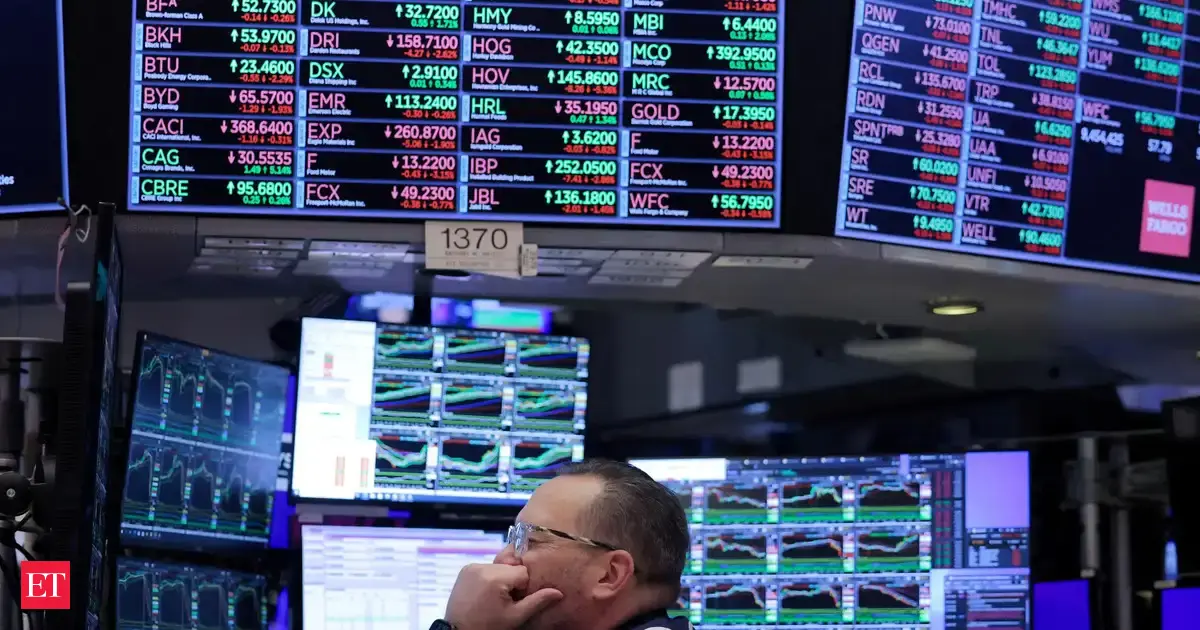
U.S. equity futures were higher pre-market as strong early-2026 earnings results and easing Treasury yields supported risk appetite, with the 10-year Treasury falling to 4.49% from 4.56%. Brent crude slipped to $95.97 and U.S. crude fell 2.8% to $93.89, helping pressure rates lower and offset some geopolitical anxiety tied to the Iran conflict. The S&P 500 closed Tuesday up 0.6% at 7,519.12, the Nasdaq rose 1.2% to 26,656.18, while the Dow slipped 118.02 points to 50,461.68.
The market is currently treating the conflict and energy spike as a contained macro shock rather than a regime change, which is why the rally can coexist with elevated geopolitical risk. The key second-order effect is that lower oil and softer yields jointly compress the near-term equity risk premium: that supports duration-sensitive growth, but only if the bond move persists. If crude stabilizes below the prior spike, the “all-clear” signal can extend the melt-up; if oil re-accelerates, the same earnings beat will be discounted as a one-off and breadth should deteriorate quickly.
The bigger hidden vulnerability is financing, not oil itself. A 10-year back toward the mid-4s relieves pressure on long-duration cash flows and on AI/data-center capex, but sustained yields above that zone would hit the more levered beneficiaries of the capex cycle first: semis, power infrastructure, and REIT-like buildout names. In other words, the winners are not the mega-cap index leaders per se, but the suppliers with exposed backlog and cheap refinancing windows over the next 1-2 quarters.
The market seems underpricing how fragile the current earnings optimism is if energy stays high for another quarter. The consensus is reading the strong report season as evidence of durable margin resilience, but input-cost relief from lower crude is doing a lot of work behind the scenes. If that reverses, cyclicals and consumer discretionary should underperform first, while defensives regain relative strength even if the headline indices remain elevated.
The contrarian setup is that this is less a bullish macro confirmation than a short-vol opportunity with a geopolitical trigger attached. The upside continues so long as crude drifts lower and yields stay contained, but the distribution of outcomes is fat-tailed: one escalation headline or a bond selloff can unwind the move faster than earnings can support it. That argues for expressing the view with defined-risk structures rather than outright beta.
AI-powered research, real-time alerts, and portfolio analytics for institutional investors.
Request DemoOverall Sentiment
mildly positive
Sentiment Score
0.35
