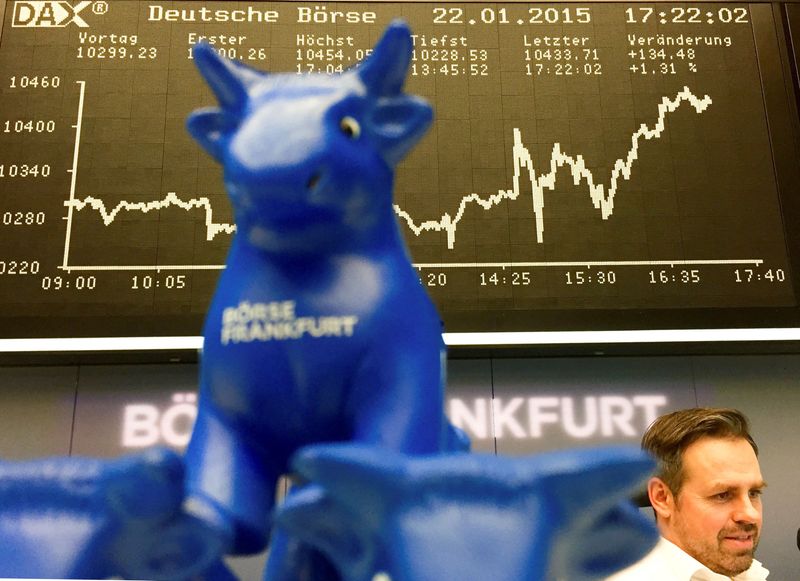
Brent crude has surged back to roughly $100/bbl (earlier spiking near $120), while the Stoxx 600 fell 0.5% (as much as 1.2% intraday), DAX -0.7%, CAC 40 -0.9%, FTSE 100 -0.4%. Iran says the Strait of Hormuz will remain closed and container traffic has virtually stopped, raising shipping/insurance strains and tightening global oil supply. European bond yields have risen amid these risks; France HICP (EU-harmonized) was 1.1% y/y in February and Spain's measure accelerated to 2.5% y/y, heightening inflation concerns. U.S. PCE for January is due later but mostly predates the conflict, so near-term inflation readings may still lift volatility and influence central bank expectations.
The immediate winners are owners of seaborne crude capacity and on-demand storage: when insurance frictions and route-lengthening raise the marginal cost of moving barrels, the economically scarce asset is tonnage and spare oil storage, not crude in the ground. That amplifies profits for smaller, fast-to-redeploy tanker fleets (LR/AFR/VLCC operators) because time-charter economics convert route-duration changes into multi-week TCE windfalls; expect outsized P&L sensitivity in the first 1–3 months as fixtures reprice.
A regional inflation and yield shock in Europe produces a durable cross-asset divergence versus U.S. markets — higher European real yields erode cyclical equity multiples and depress bank credit spreads, while U.S. risk assets benefit from safe-haven flows and heavier weighting to AI/compute beneficiaries. If the energy/insurance premium shock persists beyond a quarter, expect a 30–50bp adverse rerating on core European sovereigns and 10–20% relative underperformance of Euro Stoxx cyclicals versus the S&P 500 over 3–12 months.
Catalysts that will flip the tape are binary and time-staggered: (1) an insurance-market normalization (days–weeks) which restores vessel capacity; (2) coordinated SPR or supply-side releases (weeks); or (3) credible diplomatic path to reopen chokepoints (30–90 days), each capable of erasing a large chunk of the current scarcity premium. Conversely, escalation that expands the at-risk geography would lengthen the supply shock into the 6–12 month window, turning technical dislocations into structural reratings for energy, shipping and European financials.
AI-powered research, real-time alerts, and portfolio analytics for institutional investors.
Request DemoOverall Sentiment
strongly negative
Sentiment Score
-0.60
Ticker Sentiment
