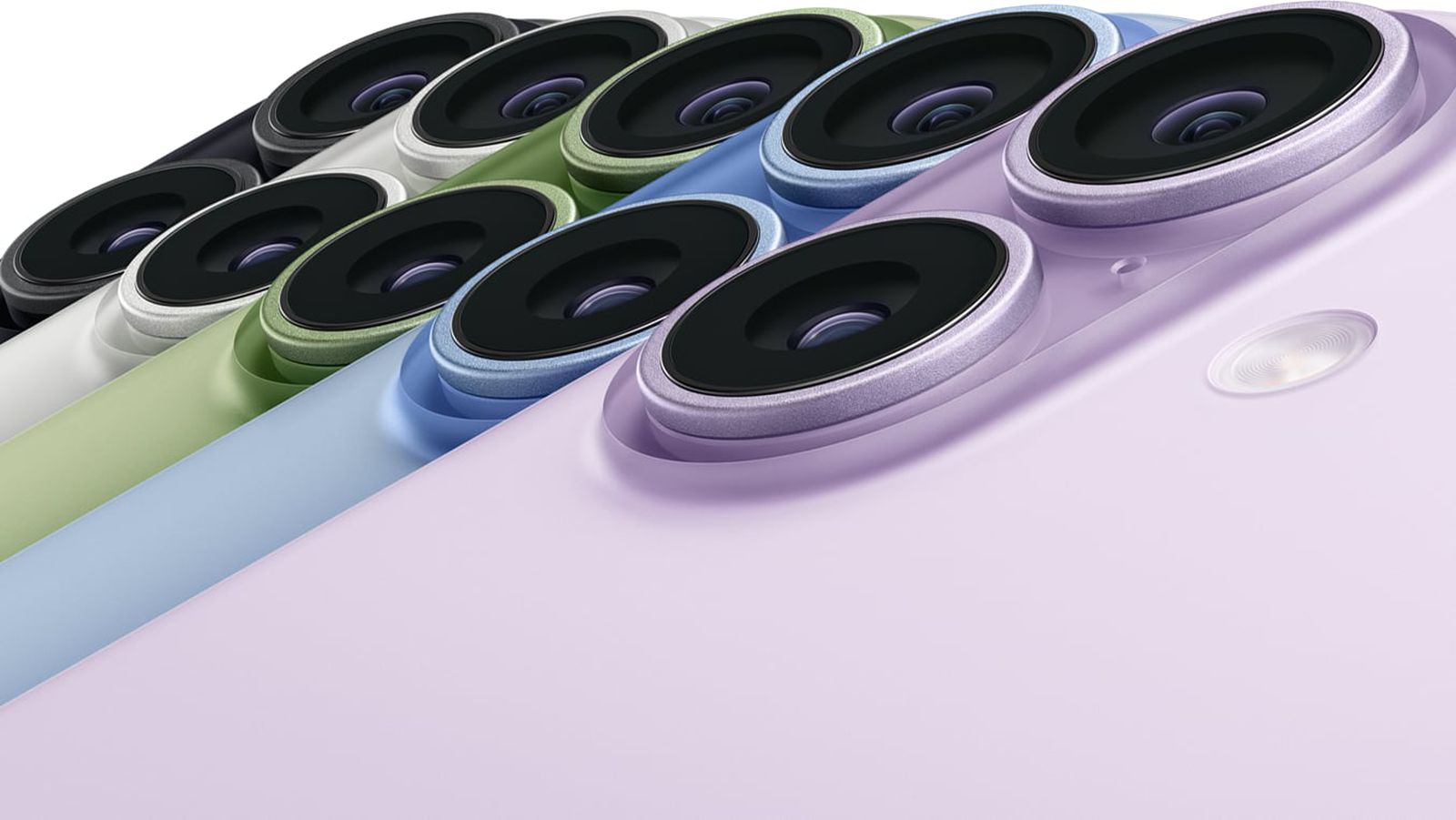
Samsung will manufacture advanced three‑stack image sensors for Apple’s iPhone at its existing Austin, Texas facility, having posted job listings and planning equipment installation with production possibly starting as early as March; Samsung notified Austin of an intended $19 billion investment in the site. The sensors — reportedly destined for the iPhone 18 launching in H1 2027 — mark the first time Apple will source iPhone image sensors from Samsung instead of relying solely on Sony, signaling meaningful supply‑chain diversification and on‑shore manufacturing that could boost Samsung’s memory/imaging revenue and capex profile while pressuring Sony’s share of the iPhone sensor market.
Market structure: This shift makes Samsung (005930.KS / SSNLF) a direct winner and Apple (AAPL) a structural winner via supply diversification and US onshoring; Sony (SONY) is the clear near-term loser as it cedes exclusive pricing/power. Expect Samsung to capture an initial ~20–40% share of iPhone image-sensor volumes by launch (H1 2027) if yields ramp, compressing Sony ASPs by 5–15% in sensor-related segments over 12–24 months. US fabrication for a high-value component reduces geopolitical tail-risk for AAPL but increases concentration of capital spending into Austin (positive for US capex suppliers).
Risk assessment: Tail risks include ramp/yield failure for Samsung’s three-stack process (technical failure probability ~10–25%) and rapid regulatory pushback (DMA/antitrust or export controls) that could force re-sourcing; operational delays pushing start past March would materially shift timing into late-2027. Immediate window (days–weeks): news/refiling and job posting cadence; short-term (3–9 months): tool installation and pilot yields; long-term (12–24 months): volume contracts for iPhone 18. Hidden dependencies include TSMC/packaging capacity, lens/module supply, and US labor/utility availability—any bottleneck can flip winners to losers.
Trade implications: Favor AAPL exposure into the product cycle (capture valuation multiple re-rate) and long Samsung vs short Sony as a relative-value pair; hedge Taiwan/TSM (TSM) exposure given logistics throughput risk. Use options to lever the launch window: AAPL Sep/Dec 2027 call spreads sized 0.5–1% NAV to capture H1 2027 launch upside while capping premium; buy 6–12 month SONY puts (size 1–1.5% NAV) to express downside if share loss materializes.
Contrarian angles: Consensus underestimates execution risk—if Samsung’s three-stack yields are poor, Sony could ultimately raise prices and consolidate margins, reversing short trades; conversely, Apple may use dual-sourcing to force sensor ASP cuts, hurting Sony more than markets expect. Watch concrete catalysts: Samsung Austin capex filings, Apple–Samsung supply contract amendments, Sony sensor revenue guide; treat a >15% QoQ swing in Sony sensor revenue guidance as a trade trigger to reweight positions.
AI-powered research, real-time alerts, and portfolio analytics for institutional investors.
Request DemoOverall Sentiment
moderately positive
Sentiment Score
0.45
Ticker Sentiment
