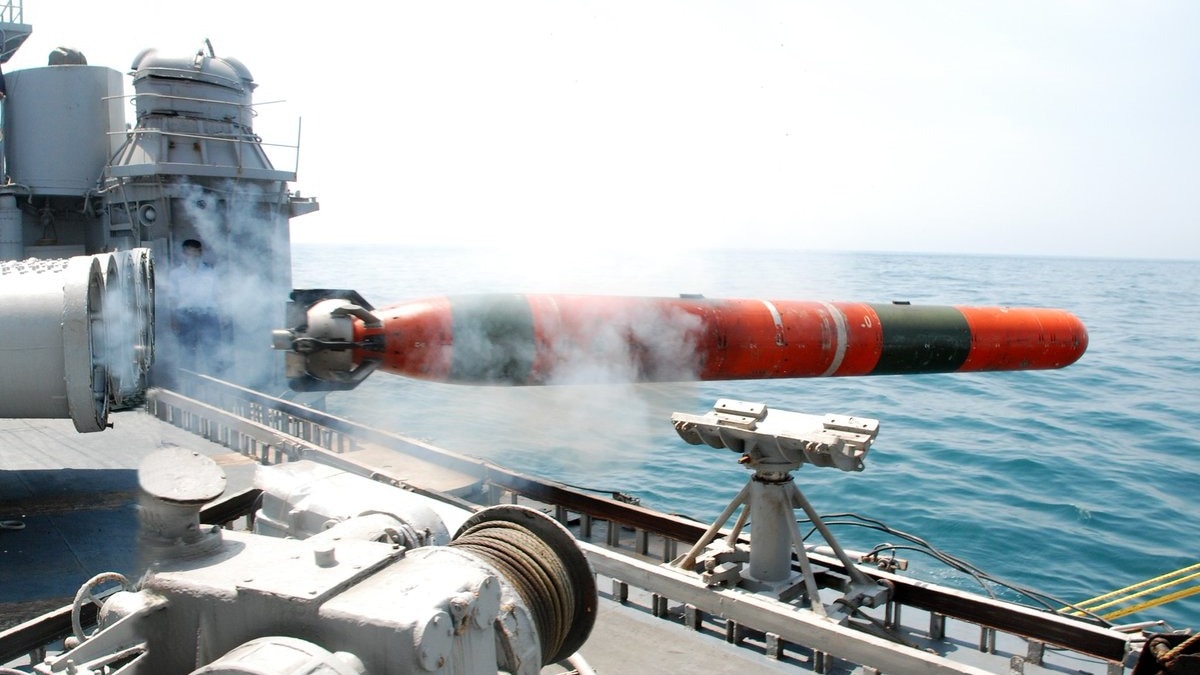
Iran said it may soon unveil a new weapon, widely speculated to be the Hoot super-cavitating torpedo, amid stalled talks with the US and heightened tensions over the Strait of Hormuz. The article says the weapon could travel over 360 km/h with a range of about 15 km and a warhead exceeding 200 kg, but notes major guidance and deployment limitations against a carrier strike group. The main market risk is geopolitical escalation in a key energy corridor, which could pressure oil flows and regional risk assets.
The market implication is less about physical sink risk and more about the pricing of convoy insecurity at the Hormuz chokepoint. Even a weapon with poor range and unreliable guidance matters if it forces navies, insurers, and shippers to treat the corridor as a higher-probability ambush zone; that can lift war-risk premia, tanker rates, and prompt precautionary rerouting before any direct hit occurs. The first-order move is in energy logistics, not just crude: floating storage, longer voyage times, and tighter availability of compliant hulls can create a transient squeeze in product exports and diesel spreads within days.
The second-order beneficiary set is broader than energy. Defense primes with undersea detection, sonar, and anti-submarine warfare exposure should outperform because the credible response to low-cost asymmetric weapons is layered surveillance and point defense, not aircraft-carrier redesign. Conversely, global carriers and container lines with Middle East exposure face operating-cost inflation from fuel, security, and delay risk; even without closure, “near-closure” behavior can be enough to compress margins over the next 1-3 quarters.
Consensus may be overestimating the kinetic risk to a U.S. carrier and underestimating the commercial impact of merely signaling a new threat. A short-range, fire-and-forget system is tactically constrained in open water, but that limitation actually concentrates risk into a narrow geography where every insurance model already has fat tails. If tensions de-escalate, the premium can unwind quickly, so the best trades are convex, event-driven, and time-boxed rather than directional crude beta.
AI-powered research, real-time alerts, and portfolio analytics for institutional investors.
Request DemoOverall Sentiment
mildly negative
Sentiment Score
-0.35
