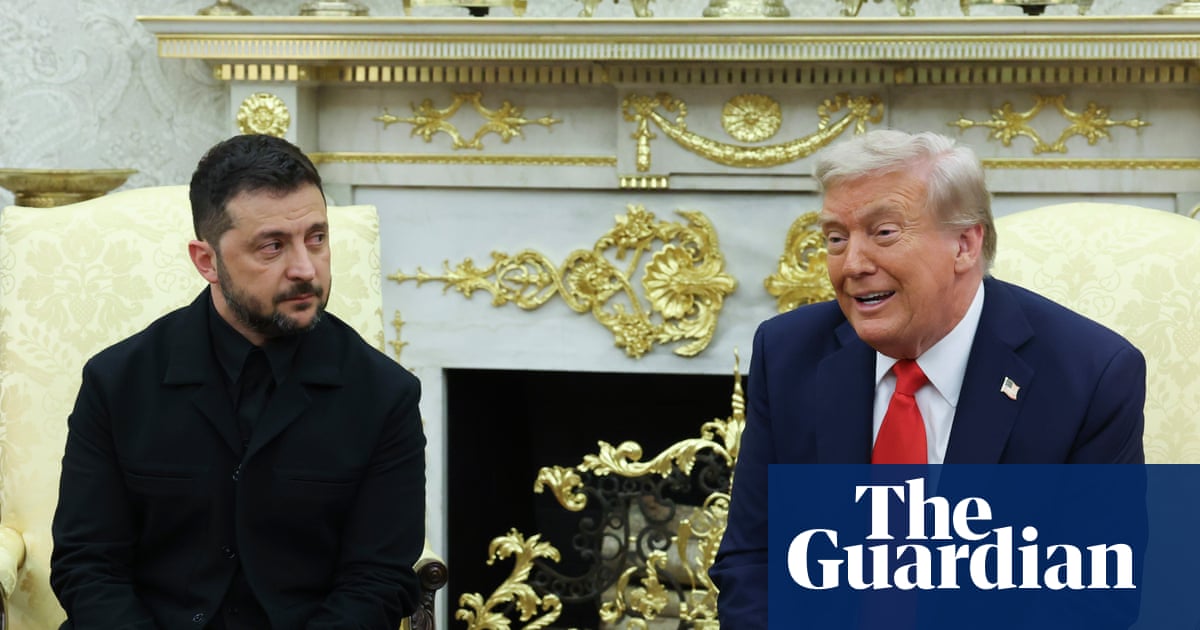
Donald Trump met with Ukrainian President Volodymyr Zelenskyy, signaling a key shift in his peace strategy by ruling out a ceasefire, preferring to negotiate a comprehensive deal while hostilities persist. Trump indicated Ukraine would not regain Crimea or join NATO, aligning with Russian talking points, while Zelenskyy emphasized the need for robust military aid and security guarantees. This development suggests a potential US-brokered resolution that could be less favorable to Kyiv, reshaping geopolitical risk and the long-term outlook for the conflict and regional stability.
A recent White House meeting between US President Trump and Ukrainian President Zelenskyy signals a significant shift in US diplomatic strategy, introducing heightened uncertainty into the resolution of the Russia-Ukraine conflict. President Trump has explicitly reversed his previous stance, moving away from demanding a ceasefire as a prerequisite for peace talks and instead advocating for negotiating a deal while hostilities continue. Critically, Trump has publicly aligned with key Russian positions, suggesting Ukraine would need to concede on regaining Crimea and forgoing NATO membership, which has reportedly alarmed Kyiv and European allies. While Zelenskyy emphasized the need for a "strong Ukrainian army" through weapons sales and security guarantees, the overall dynamic suggests a US-led push for a swift resolution that may prioritize ending the conflict over terms favorable to Ukraine. This approach, described by former official Fiona Hill as ceding narrative control to Putin, reshapes the geopolitical landscape and increases the risk profile for assets sensitive to European stability.
AI-powered research, real-time alerts, and portfolio analytics for institutional investors.
Overall Sentiment
moderately negative
Sentiment Score
-0.40
Ticker Sentiment
