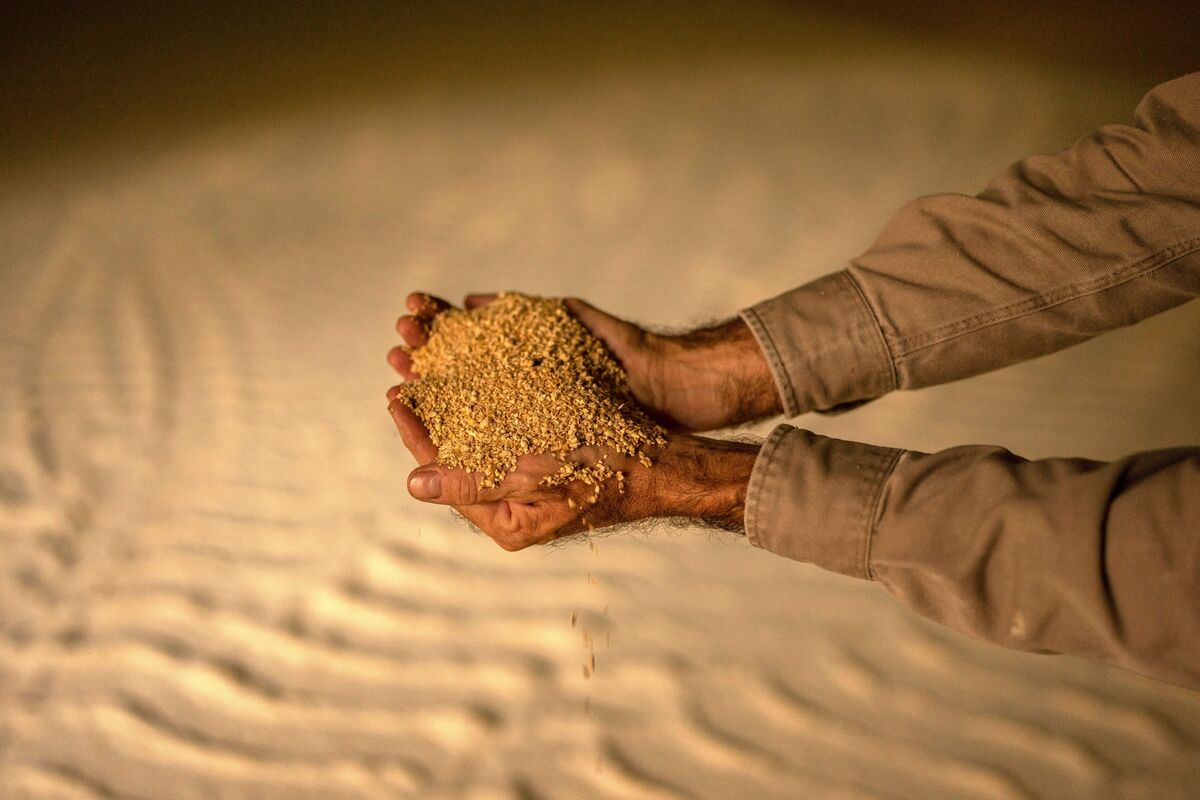
Argentine President Javier Milei has temporarily suspended export tariffs on all crop cargoes, effective until October 31 or $7 billion in sales, to attract foreign currency and stabilize the market ahead of a crucial midterm election. This move, which removes significant duties like 26% on soybeans and 24.5% on soy meal, is designed to incentivize farmers to accelerate sales of current harvests and future trades, thereby shoring up the country's dollar reserves.
The Argentine government has implemented a temporary suspension of all crop export tariffs, a tactical move aimed at attracting US dollar inflows to mitigate a market sell-off before a key midterm election. This measure, which expires on October 31 or once $7 billion in exports are sold, removes significant levies including 26% on soybeans and 24.5% on soy meal, thereby creating a powerful, time-sensitive incentive for farmers to accelerate sales. By encouraging the rapid unloading of remaining soy and corn harvests, the policy is poised to increase the global supply of these commodities. While this is a short-term strategy to shore up Argentina's foreign currency reserves, it introduces a notable supply-side variable into the global agricultural markets, potentially pressuring prices for soybeans, corn, and wheat.
AI-powered research, real-time alerts, and portfolio analytics for institutional investors.
Request DemoOverall Sentiment
mildly positive
Sentiment Score
0.35
Ticker Sentiment
