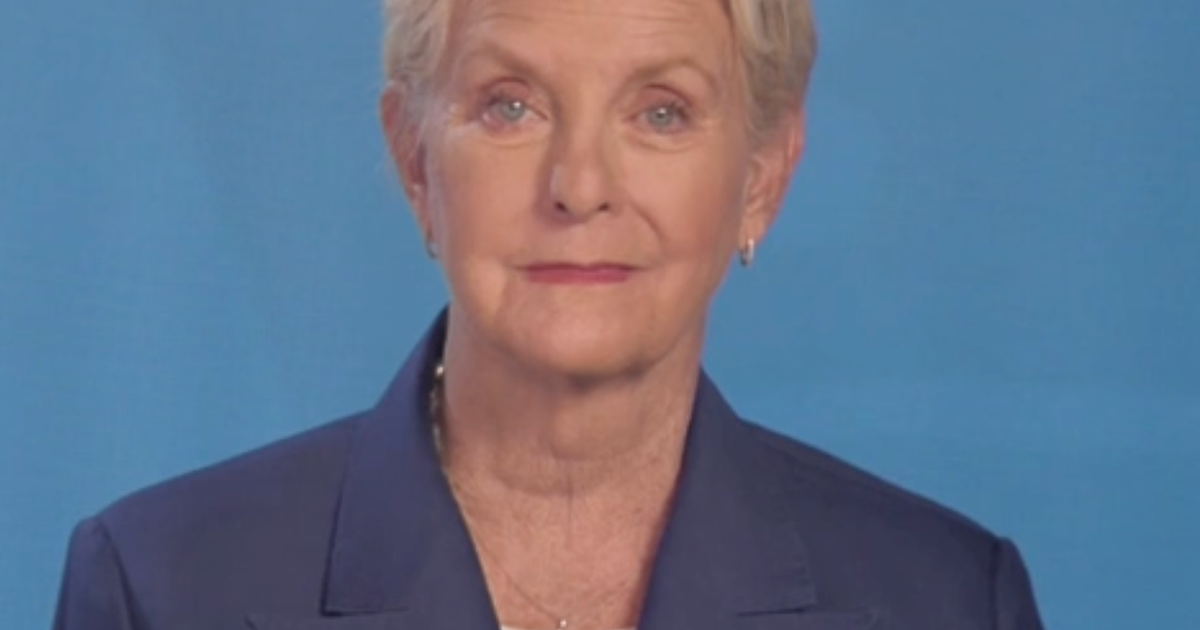
The WFP says it has received only half of the funding needed in 2026, while hunger, Ebola in Congo, Sudan’s conflict, and Middle East instability are worsening access to food aid. McCain warned of potential new famines, a possible lost generation of children, and severe delays in moving supplies, including months-long delivery times in Afghanistan. The transcript also highlighted attacks on aid workers and logistics assets in Ukraine and the impact of disruptions around the Strait of Hormuz on food availability and prices.
The market implication is not “more humanitarian stress” in the abstract; it is a sharp re-pricing of operating friction across the entire fragile-state logistics stack. When aid budgets compress, the first-order hit is to food distributors and transport contractors, but the second-order effect is more important: inventory buffers shrink, route density falls, and unit costs rise nonlinearly, which tends to punish any operator with fixed-mileage exposure or sovereign-reliant receivables. That favors firms with defense-linked logistics, asset-light routing software, and emergency-response capabilities, while disadvantaging commodity shippers and EM consumer franchises that depend on stable inland transit.
The geopolitical risk window is asymmetrical. In the next 1-3 months, the main catalyst is not a single ceasefire but repeated “access denial” events that force donors to reallocate scarce funds toward security and transport rather than food volumes, effectively reducing throughput even if headlines stabilize. Over 6-12 months, the bigger issue is that disrupted fertilizer, seed, and cold-chain flows raise the probability of secondary food inflation in adjacent markets, which can spill into higher subsidy burdens and FX stress for import-dependent sovereigns.
Consensus is underestimating how quickly this becomes a procurement and budget problem for Western governments, not just an NGO problem. If aid retrenchment continues, private philanthropy cannot scale fast enough to offset the lost sovereign balance sheet, so the gap should show up in more expensive emergency contracting, more airlift, and worse loss rates. That is a slow-burn tail risk for EM sovereign debt and a latent tailwind for defense, border security, and crisis-logistics names with reusable assets and government frameworks.
AI-powered research, real-time alerts, and portfolio analytics for institutional investors.
Request TrialOverall Sentiment
strongly negative
Sentiment Score
-0.82
