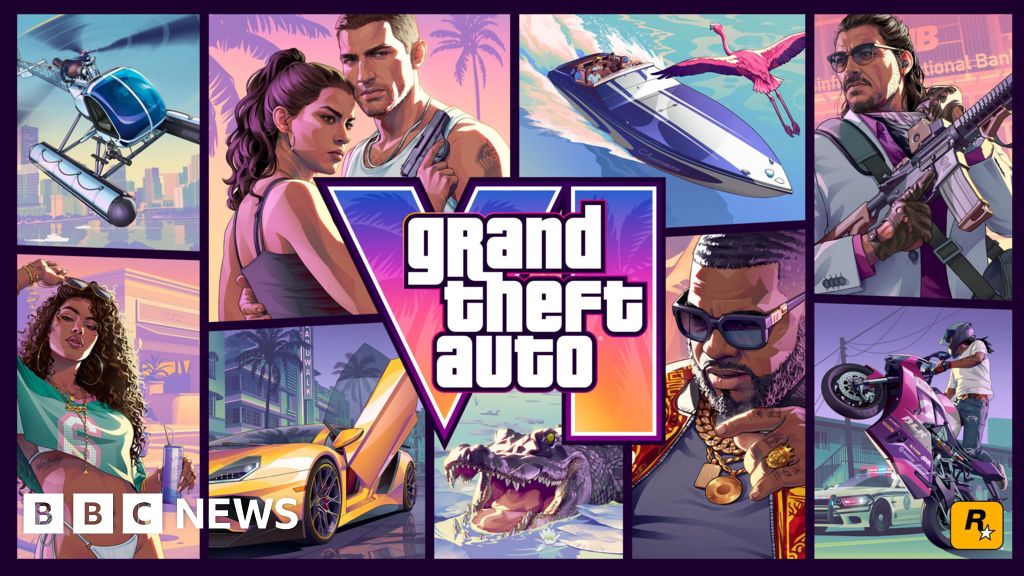
Rockstar confirmed GTA 6 pre-sales will begin on 25 June, with the game set to launch on 19 November for PlayStation 5 and Xbox Series X/S after two delays. The company also unveiled the official cover art, while leaving pricing undisclosed; analysts have speculated it could reach $100. The update is positive for fan engagement and demand visibility, but it is unlikely to move broader markets materially.
This is less a one-day event than a multi-quarter monetization catalyst for the interactive entertainment stack. The important second-order effect is not just unit sales, but the re-rating of adjacent revenue pools: digital storefronts, console attach, and live-service engagement all get a tailwind when the category’s largest title resumes its hype cycle. The absence of a price point keeps optionality alive for premium editions, collector bundles, and higher-than-normal per-unit monetization, which is meaningful because expectations appear anchored to a standard AAA launch rather than a scarcity-driven release.
The biggest near-term winners are distribution and platform economics, not the publisher itself, because launch pre-orders tend to pull forward cash flow and increase store traffic without meaningful variable cost. That should benefit Sony and Microsoft more through transaction mix and ecosystem lock-in than through hardware sell-through alone, especially if marketing beats drive incremental console upgrades into holiday seasonality. Ancillary winners include payment processors, ad-tech, and consumer electronics retailers with gaming exposure; losers are titles competing for the same release window and publishers relying on discretionary spend in late 2025, where attention and wallet share will be crowded out.
The market is likely underestimating a simple but powerful elasticity test: if the game is priced above consensus, demand may not fall much because the buyer base is unusually inelastic, but broader industry pricing expectations would reset upward. The tail risk is a delayed or underwhelming launch cadence after pre-order excitement, which would matter more for sentiment-sensitive names than for fundamentals, and could hit overowned gaming proxies within days. The contrarian angle is that the best trade may be to fade the obvious “publisher win” narrative and instead own the ecosystem beneficiaries that monetize the event without execution risk.
Over the next 1-3 months, the key catalyst is the pre-order conversion rate and any indication of premium edition pricing; over 6-12 months, the real swing factor is whether launch demand translates into durable engagement rather than a one-time spike. If Rockstar signals a higher-than-expected price or strong collector uptake, sentiment could re-rate the broader premium game category. If not, hype may peak early and compress into a classic buy-the-rumor/sell-the-news setup around the launch window.
AI-powered research, real-time alerts, and portfolio analytics for institutional investors.
Request DemoOverall Sentiment
mildly positive
Sentiment Score
0.20
