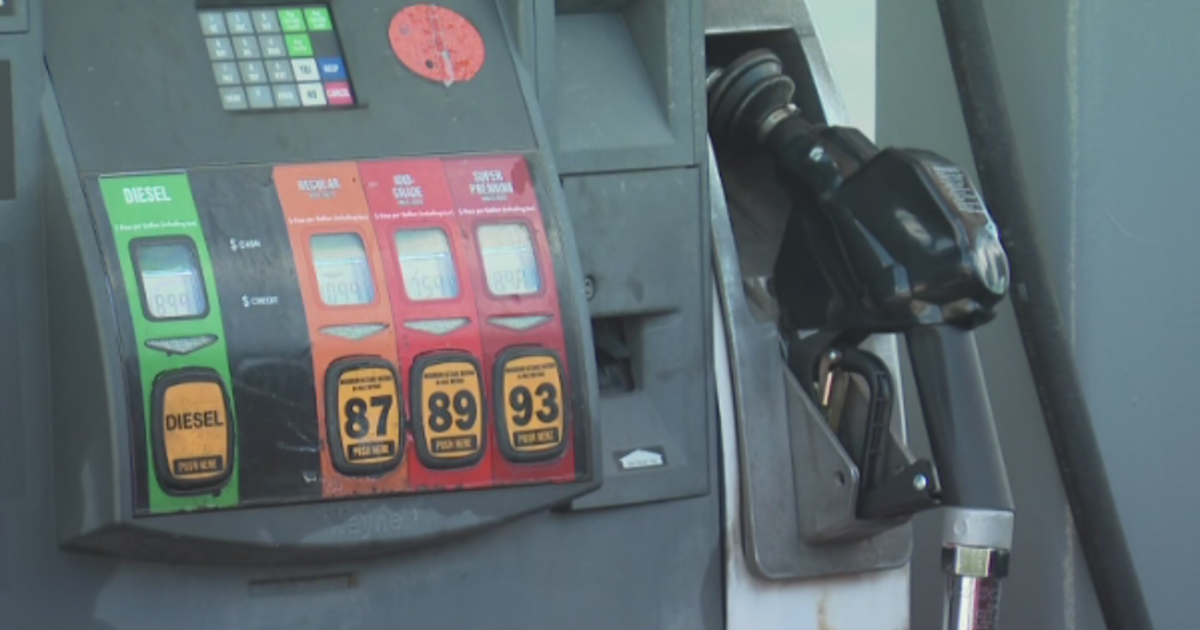
Gas prices in Pittsburgh are expected to rise another 10-20 cents over the next 7-12 days, with little chance of near-term relief. The article cites tariffs and the conflict in Iran, especially conditions in the Strait of Hormuz, as the main drivers of higher fuel costs. The outlook is negative for consumers and potentially inflationary, with pump prices likely to remain volatile day by day.
This is a near-term inflation impulse, not just a consumer annoyance. The immediate winners are upstream energy producers and refiners with physical exposure to spot pricing and regional spreads; the losers are discretionary retailers, transport-heavy businesses, and any consumer-facing company already trading on fragile margin assumptions. The second-order effect is more interesting: even a modest, sustained pump-price move can tighten near-term household budgets enough to pressure summer travel, small-ticket retail, and lower-income consumption before it shows up in official CPI.
The market is likely underestimating the asymmetry between headline risk and actual supply response. If geopolitical risk remains elevated for 1-2 weeks, energy equities can re-rate quickly, but the bigger equity beta is in sectors with no direct hedge against fuel costs: airlines, parcel/logistics, regional consumer names, and autos with high operating leverage to discretionary demand. Watch for management teams to start guiding conservatively on demand elasticity and gross margin, especially where fuel surcharges lag spot moves by several weeks.
The reversal catalyst is not a normal seasonal demand drop; it is a credible de-escalation pathway in the geopolitical premium. Absent that, the more likely path is a stair-step higher in crude and refined products, with the risk that pump-price visibility feeds inflation expectations and pushes rates higher at the margin. That sets up a dual headwind for long-duration assets and high-multiple consumer growth names over the next few weeks.
Contrarian take: if the market has already priced a meaningful geopolitical premium in crude, the cleaner trade may be in downstream losers rather than chasing energy outright. In other words, the risk/reward may be better in shorting fuel-sensitive demand proxies than in buying expensive oil beta after a move has already started.
AI-powered research, real-time alerts, and portfolio analytics for institutional investors.
Request DemoOverall Sentiment
moderately negative
Sentiment Score
-0.45
