
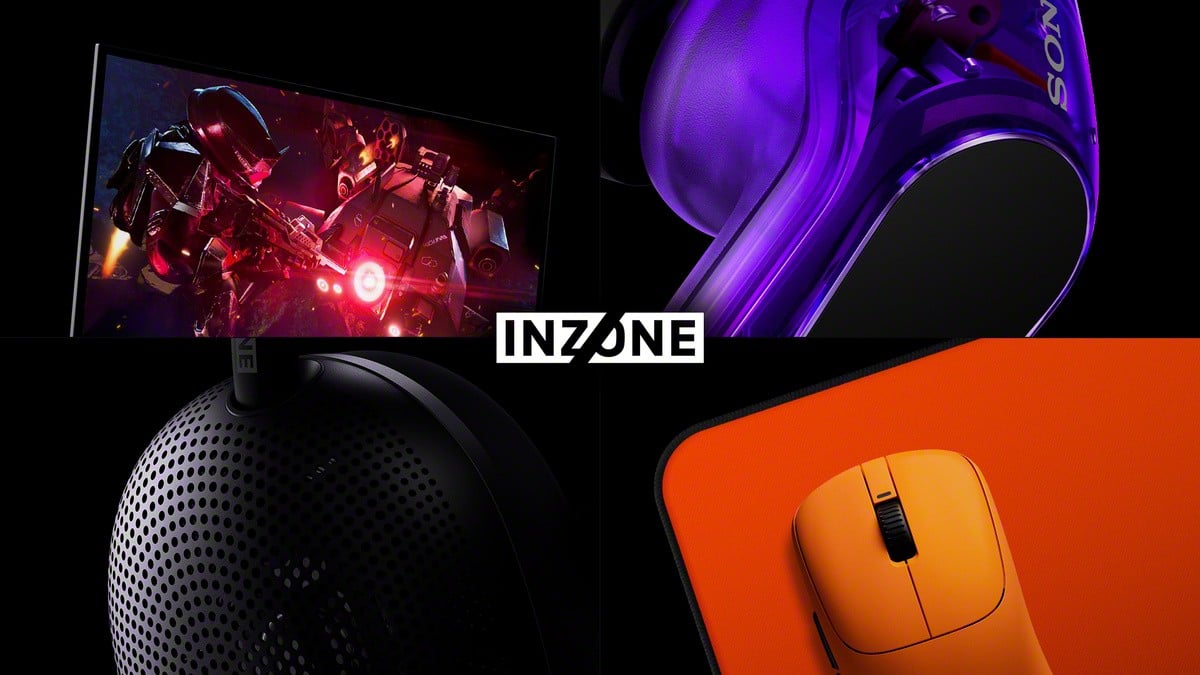
Sony’s INZONE line introduced new gaming products aimed at the high-end PC and PS5 market, including the £175 open-back INZONE H6 Air headset and the £1,199 INZONE M10S II OLED monitor. The monitor features a 27-inch QHD 540Hz panel, 0.02ms response time, Super Anti-Glare, Motion Blur Reduction, and tournament mode, positioning it as a premium PC-first product. The H9 Air launches this month, while the M10S II becomes available in June.
This reads less like a product launch and more like Sony reaffirming that its gaming hardware margin pool is increasingly anchored in premium peripherals rather than first-party console unit growth. The key second-order effect is ecosystem monetization: if Sony can keep PS5 users inside a higher-ASP accessory stack, it offsets the fading ability to monetize the platform through PC software expansion. That matters because accessories have better mix economics than the base console and can stabilize revenue even when hardware cycles mature.
The competitive signal is stronger than the product specs themselves. Sony is effectively conceding that the ultra-high-refresh monitor is a PC-first SKU, which means the real beneficiaries are likely the broader gaming component supply chain rather than PlayStation-only demand. In practice, this supports display panel, audio codec, and gaming accessory vendors more than it supports console sales; it also pressures incumbents in premium peripherals by raising the bar on design, comfort, and software integration rather than purely price.
The near-term catalyst is preorder elasticity over the next 1-2 quarters: if Sony can sell through at premium prices, it validates that affluent gamers still trade up even in a weak discretionary backdrop. The main risk is that the addressable PS5 audience is capped by the platform’s technical ceiling, so adoption may be niche and heavily front-loaded to enthusiasts. If that happens, the launch is positive for brand perception but too small to change SONY’s earnings trajectory, and channel inventory could become a drag by the next holiday refresh cycle.
The contrarian point is that the market may be underestimating how much this is a strategic hedge against softer software monetization. A premium accessory lineup can extend engagement and reduce churn without needing a breakout first-party hit, but only if Sony keeps launching must-have peripherals that feel integrated rather than generic. If adoption data is strong, the real upside is not in one product cycle but in confirming a higher lifetime value per PlayStation user.
AI-powered research, real-time alerts, and portfolio analytics for institutional investors.
Request TrialOverall Sentiment
mildly positive
Sentiment Score
0.15
Ticker Sentiment
