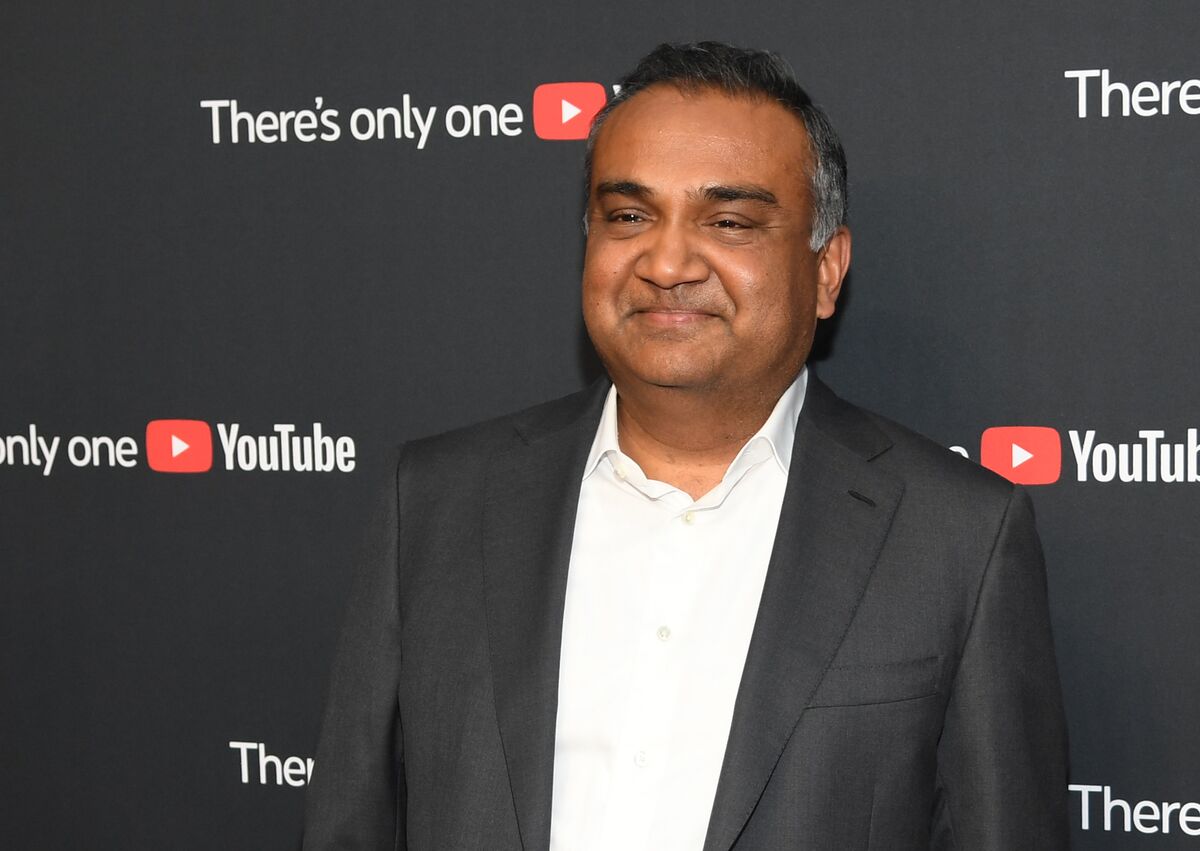
YouTube is pitching advertisers on a new slate of shows, signaling a more traditional TV-network approach to content and ad sales. The article is largely commentary rather than a hard news catalyst, with no specific financial figures or company guidance changes. Any market impact appears limited and mostly relevant to media and advertising strategy.
The important shift is not that streaming is borrowing from TV, but that it is converging on the same economics: packaged, scheduled, advertiser-friendly inventory that reduces the pricing advantage of pure on-demand models. That tends to favor the largest platforms with the strongest audience data and ad tech, while pressuring smaller streamers and independent creators who lack leverage in upfront-style negotiations. In practice, this is a distribution power move: whoever can promise reach plus predictable supply gets better CPMs and lower churn in a softer ad market.
For DIS, the second-order benefit is less about content hype and more about reaffirming its ability to bundle scale across linear, streaming, and sports. If buyers start treating premium streaming more like TV, Disney’s cross-sell advantage improves because it can trade on breadth rather than just subscriber growth, which should support ad revenue durability over the next 2-4 quarters. For NFLX, the risk is not audience loss but margin structure: a more TV-like sales motion can expand monetization, but only if ad load and pricing discipline hold; otherwise, it becomes a low-quality way to fill inventory.
The contrarian read is that the market may be underestimating how much this shifts negotiating power back to premium media owners. Advertisers prefer simplification, and simplification usually rewards the platform that can aggregate demand, not the one that merely has the most original content. The real loser may be mid-tier ad-supported streamers and free adtech intermediaries, which can get squeezed if the major platforms internalize more of the sales stack and package inventory directly.
Near term, the catalyst is not subscriber data but ad commitments and upfront guidance over the next 1-2 quarters. If CPMs and fill rates hold into year-end, the market will likely re-rate the durability of streaming ad monetization; if not, the TV analogy becomes a warning that streaming is maturing into a lower-growth, more cyclical ad business.
AI-powered research, real-time alerts, and portfolio analytics for institutional investors.
Request DemoOverall Sentiment
neutral
Sentiment Score
0.05
Ticker Sentiment
