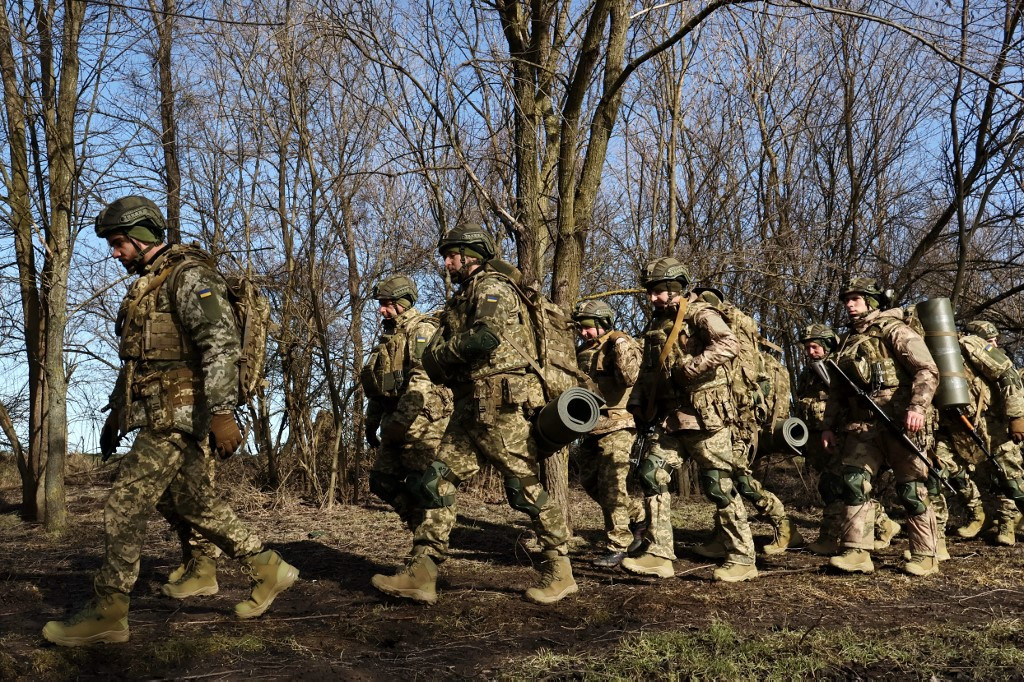
Ukraine reclaimed roughly 400 sq km (~150 sq miles) in Zaporizhzhia and Dnipropetrovsk after Russian forces lost access to Starlink in February, degrading Russian coordination to an estimated ~60% of prior levels. The Starlink cutoff disrupted real-time video, drone operations and C2, reducing Russian drone activity and creating exploitable reaction gaps that aided Kyiv’s southern offensive; February was the first month since 2023 with net territorial gains for Ukraine. For investors, expect sector-specific implications for satellite services, defense contractors and battlefield-intel suppliers, but the situation remains volatile as Russia pursues alternative comms and adaptation could blunt the advantage.
An operational shock to a widely used LEO satcom network has structurally reprioritized where militaries and contractors allocate spend: quick, certifiable terminals and ruggedized C2 stacks now jump the queue ahead of bigger platform buys. Expect aggressive procurement cycles over the next 3–12 months as field commanders demand interoperable, hardened links and program managers authorize bridge funding to patch gaps, creating a near-term revenue bonanza for vendors with available inventory and military certification.
The semiconductor and subsystem supply chain will be the gating factor. Phased-array RF components and custom modems have lead times of 6–18 months and limited capacity; suppliers that can accelerate production (or have on-shore fabs) will capture outsized margin expansion in the first 12 months while pure-play terminal assemblers face margin compression if they must outsource scarce chips. Defense primes that control systems integration and have established DoD contracting vehicles win higher-margin retrofit contracts and follow-on sustainment revenues lasting years, not just a one-quarter bump.
Key reversal risks are rapid technical adaptation and policy changes: adversaries can restore tactical resiliency via mesh, fiber spurs or low-tech redundancy within 1–6 months, which would truncate hardware demand; conversely, formal procurement programs (NATO/EU/US) could lock in multi-year budgets, extending tails to 2–4 years. Also watch export-control backlash and liability regimes for commercial satcom providers — these political/legal frictions can amplify winners or wipe out expected addressable markets.
The market is likely over-indexed to headline terminal names and underweight integrators and component makers that actually enforce interoperability and security. Prefer exposure to diversified systems integrators and on-shore RF supply versus one-off terminal plays; allocate with staged entries across 2–12 month horizons to capture short contract awards and longer sustainment streams.
AI-powered research, real-time alerts, and portfolio analytics for institutional investors.
Request DemoOverall Sentiment
mildly positive
Sentiment Score
0.15
