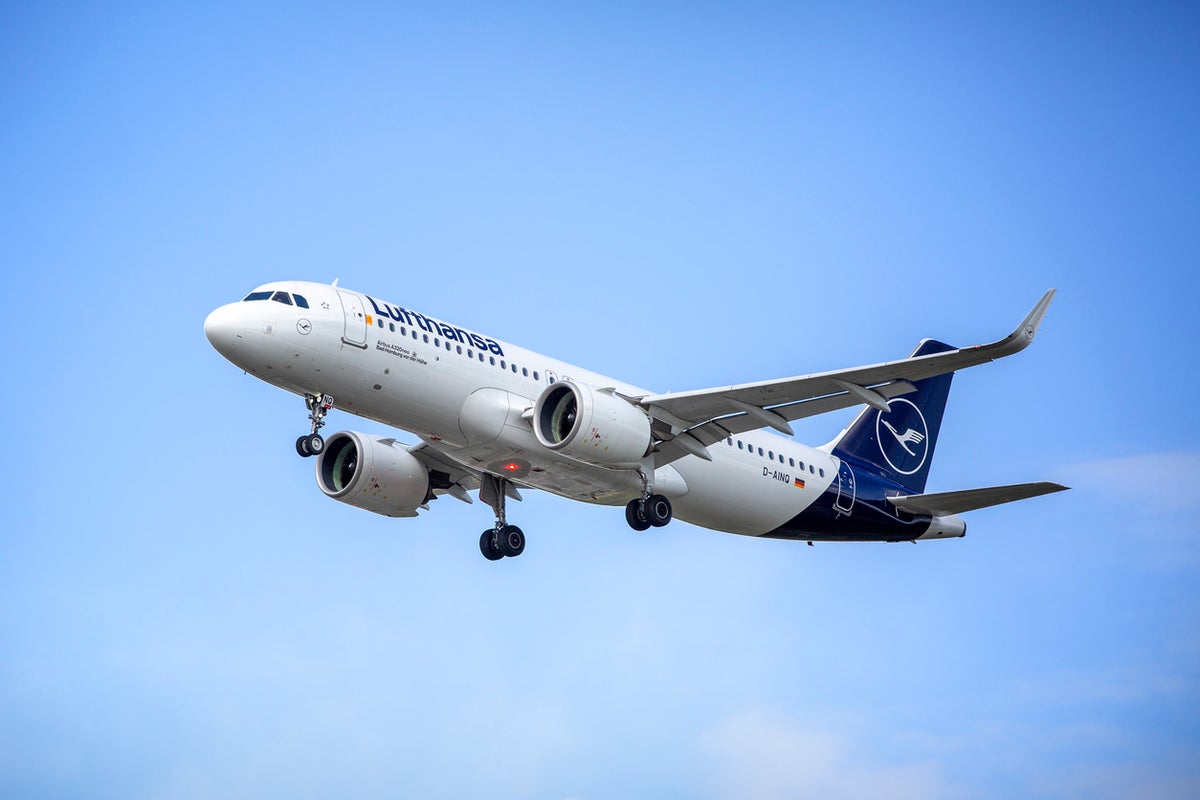
Jet fuel prices have surged from about $85-$90 per barrel to $150-$200, forcing airlines across Europe, Asia, and North America to cut capacity, add fuel surcharges, raise baggage fees, and withdraw or revise earnings guidance. Lufthansa plans to cancel 20,000 flights over the next six months to save 40,000 metric tonnes of fuel, while carriers such as Delta, United, Air France-KLM, Qantas, and SAS are trimming flights or lifting fees. The article also flags broader industry stress from Middle East conflict and Strait of Hormuz supply risk, making this a market-wide negative for airlines and travel names.
The immediate market read-through is not just “higher fuel costs,” but a forced re-pricing of airline capacity discipline. Carriers are responding by trimming marginal routes, which should mechanically improve load factors on the remaining network; that helps the stronger operators with pricing power, but it also raises the risk that reported unit revenue improves while total earnings still fall because the industry is shrinking into the shock. The key second-order effect is that baggage fees, fuel surcharges, and ancillary pricing are being used as a fast-pass through to consumers, which will disproportionately hurt price-sensitive leisure demand before it shows up in headline yields.
The clearest relative winners are the network carriers and higher-hedged operators that can preserve schedule integrity and push fare increases without breaking bookings. The losers are the ULCCs and carriers with weak balance sheets, because they have the least ability to absorb temporary demand softness while also lacking the ancillary mix to fully offset fuel. In that setup, capacity cuts by one airline can temporarily help competitors, but only if they have enough aircraft/fuel hedges to capture spillover demand; otherwise the industry simply compresses together.
The timeline matters: over the next 1-8 weeks the risk is a cascade of guidance resets and financing stress, especially for subscale names that need external capital or government support. Over 3-6 months, the bigger question is whether this becomes a demand-destruction event rather than a margin event; if consumers balk at combined fare and fee increases, booking curves can roll over quickly. The contrarian point is that a lot of this pain is already being telegraphed in the stocks, so the cleaner short may be the weakest balance sheets on any bounce, not the strongest brands that can pass through costs and may ultimately take share.
AI-powered research, real-time alerts, and portfolio analytics for institutional investors.
Request TrialOverall Sentiment
strongly negative
Sentiment Score
-0.72
Ticker Sentiment
