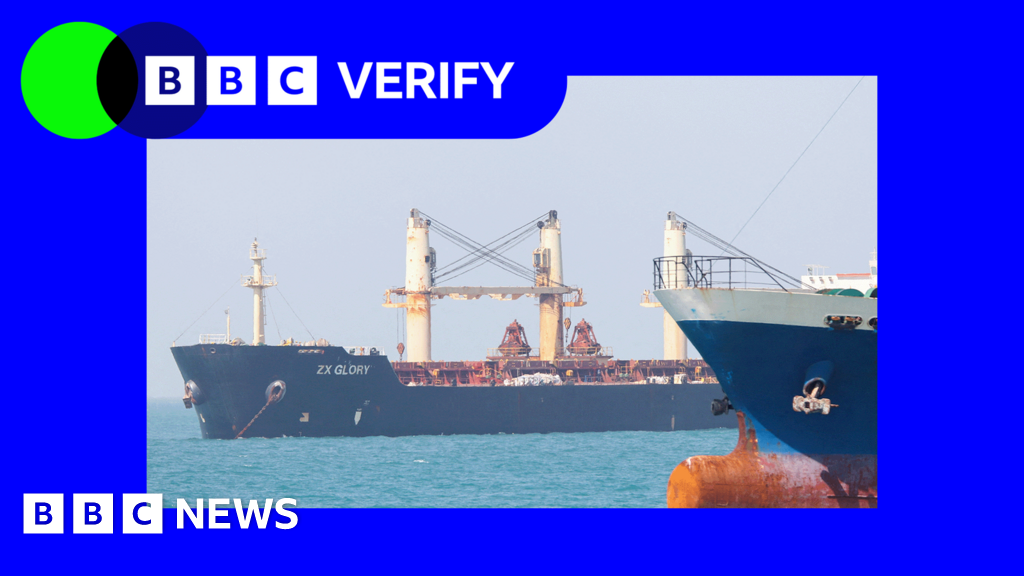
Trump paused 'Project Freedom' just 50 hours after announcing it, delaying a US military effort to escort merchant shipping through the Strait of Hormuz. The article cites disrupted transit in a waterway carrying about 20% of global oil and gas flows, with oil prices already higher and transit volumes falling amid security concerns. The decision underscores ongoing geopolitical risk for energy markets and global trade routes.
The market is misreading this as a binary de-escalation signal; in reality it is a volatility regime shift. A stop-start “security corridor” policy does not restore trust in passage planning, because shipowners care less about one escort transit and more about whether the next transit will be hit, boarded, or politically reclassified. That keeps the risk premium embedded in freight, insurance, and prompt energy deliveries even if headline diplomacy improves.
The second-order loser is not just crude buyers, but the logistics stack around the Gulf: marine insurers, shipowners with Middle East exposure, and downstream refiners that depend on just-in-time crude/naphtha flows. Even a temporary pause tends to widen the spread between front-month and deferred energy prices if prompt barrels become harder to move, while alternative routes and non-Gulf supply chains gain bargaining power. Expect knock-on congestion in safe-haven ports and higher working capital needs across commodity traders.
Catalyst risk is asymmetric over days, not months: one additional attack on a tanker or infrastructure asset would likely force a renewed spike in freight/insurance costs and a fast reprice in Brent and regional equities. The more important medium-term question is credibility—if the corridor cannot guarantee safe passage for a meaningful number of non-state-linked vessels, the policy becomes theater, and markets will treat it as such. The contrarian view is that this may ultimately be bullish for US upstream and LNG exporters if Gulf risk stays elevated, because every failed stabilization attempt hardens customer behavior toward non-Middle East supply.
AI-powered research, real-time alerts, and portfolio analytics for institutional investors.
Request DemoOverall Sentiment
mildly negative
Sentiment Score
-0.35
