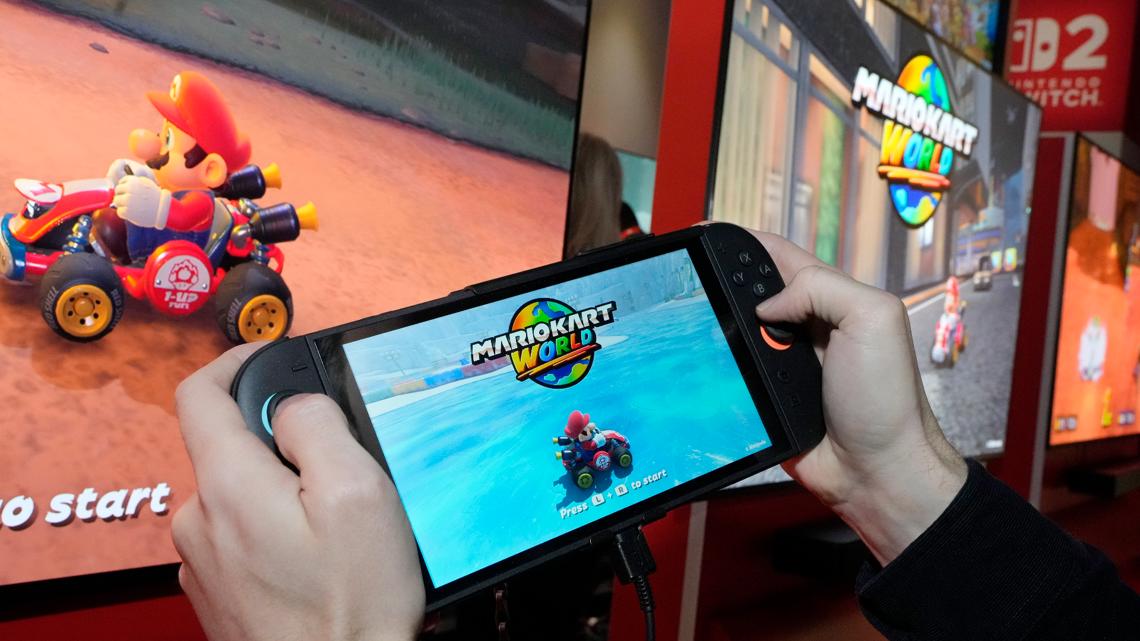
Nintendo is raising the U.S. Switch 2 price by $50 to $499.99 effective Sept. 1, 2026, with Canada moving to C$679.99 and Europe up by 30 euros; Japan’s increase starts May 25. The company cited changing market conditions and rising memory/storage costs, while also projecting slower Switch 2 sales of 16.5 million units next fiscal year, below the 20 million-plus some analysts expected. The announcement also introduces differentiated pricing for first-party games, with digital titles at $59.99 versus $69.99 for physical copies.
This is less about one console SKU and more about Nintendo monetizing scarcity into a sustained margin reset. A hardware price hike this late in the cycle signals management is defending unit economics against input inflation rather than trying to accelerate installed-base penetration, which implies a more cautious demand outlook and a likely slower attach-rate ramp for software and accessories. The first-order loser is consumer elasticity; the second-order loser is any downstream channel inventory plan built around a sub-$500 anchor that may now be repriced higher across the ecosystem.
For SONY and MSFT, the near-term read-through is mixed but slightly negative on competitive intensity. A higher Nintendo price narrows the affordability gap at the low end, which can reduce some substitution pressure against premium consoles, but it also validates a broader industry pricing regime that keeps hardware ASPs elevated and could normalize higher expectations for software pricing and bundle economics. The more important second-order effect is on publishers and accessory makers: if consumers balk at a richer hardware + game price stack, the first thing they delay is incremental content and peripherals, not the core console purchase.
The catalyst window is the next 1-2 quarters, not the immediate open. Watch for any evidence that preprice demand pulls forward sharply into the effective-date window; that would temporarily mask weakness and create a false read on post-hike elasticity. The real risk is that slower unit forecasts combine with a higher entry price to compress the base, which would matter more in 2027 than 2026 because software monetization and engagement have multi-year compounding effects.
The contrarian setup is that this could be bullish for the broader console cycle if investors have been overfocusing on unit growth rather than margin durability. If Nintendo can hold demand, the market may re-rate the whole console category as pricing power remains intact despite a softer consumer backdrop. But if sell-through decelerates meaningfully after the grace period, this becomes a leading indicator that gaming is moving from unit-led growth to value-led extraction, which typically compresses sentiment toward the entire interactive entertainment complex.
AI-powered research, real-time alerts, and portfolio analytics for institutional investors.
Request DemoOverall Sentiment
mildly negative
Sentiment Score
-0.25
Ticker Sentiment
