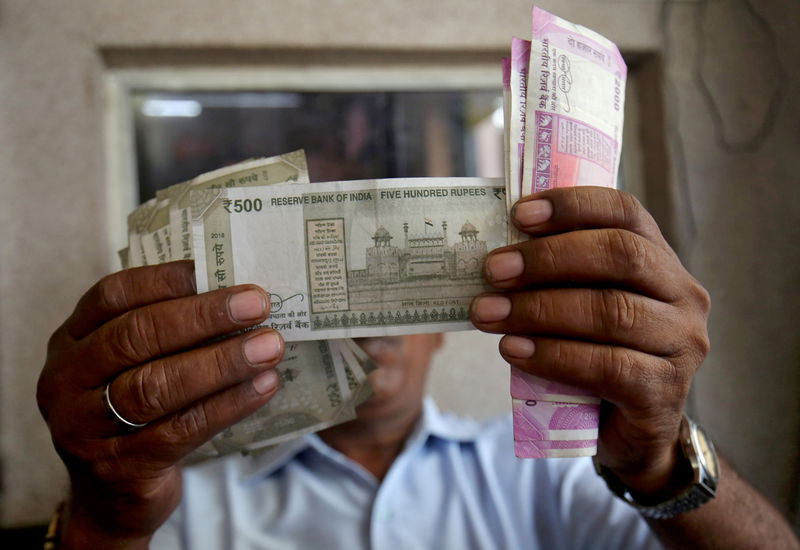
CME FedWatch shows the odds of a 25bp Fed cut in December rose to about 69% after comments from New York Fed chief John Williams, though other Fed officials and October FOMC minutes signal inflation and a tight labour market keep the outcome uncertain. Asian FX traded mixed: offshore yuan +0.1%, SGD +0.2%, KRW -0.5% (regional laggard), AUD flat and USD/JPY +0.1% after last week’s move amid BOJ/easing and fiscal stimulus concerns with Tokyo warning of possible intervention; USD/INR fell 0.5% after the rupee reversed from a record 89.72 following reported RBI intervention.
Market structure: A higher-implied chance of Fed easing compresses term premia and favors duration and rate-sensitive asset valuations; beneficiaries include long-duration sovereigns, REITs and growth IT names if real yields fall by 20–50bp over 1–3 months. Losers are short-duration banks dependent on wide NIMs and currencies exposed to central-bank intervention (JPY, INR) that amplify FX volatility and pass-through into corporate earnings. Cross-asset flows will likely push front-end and 2–5yr swap rates lower first, lifting duration returns while forcing a rotation out of cash into EM FX and credit, increasing risk in IG/EM high-yield spreads by 10–30bp if sentiment reverses.
Risk assessment: Tail risks include sticky inflation delaying cuts (yields surge >50bp in 1 month), coordinated FX intervention (JPY/INR gaps >3% intraday), or a sudden labour-market shock that keeps tightening; probability ~10–15% but impact is high. Immediate (days) risk is FX intervention and option-vol spikes; short-term (weeks) is repricing of rates and credit; long-term (quarters) is structural margin compression in banks if rates stay lower. Hidden dependencies: central bank FX defense drains reserves or forces liquidity operations that tighten local rates despite global easing; correlated vol across EM FX and local rates can blow up carry trades.
Trade implications: Size conviction to duration via 7–10yr UST exposure if 10yr yield trades <4.20% (target 2–4% portfolio, stop if >4.60%); use TLT or futures. Use asymmetric option hedges: buy 1–3 month USD/JPY puts ~1.5% OTM (delta ~12–18) sized 0.5–1% portfolio as insurance against intervention-driven JPY moves. Tactical EM FX: establish a 1–2% notional long INR position via 3-month NDF or INR call spread if USD/INR <89.0; take profit at 87.5, stop 90.5. Rotate 1–2% from Korean export cyclicals (SMCI exposure) into Asia cyclical/resource names (APP) that benefit from domestic fiscal uplift and weaker real yields.
Contrarian angles: The market underestimates the probability of policy mismatch—local FX defense can tighten domestic funding even as Fed eases, producing a short-lived hawkish shock; this makes long-duration positions vulnerable to idiosyncratic spikes. Volatility is likely underpriced: purchasing tail protection is cheap insurance versus being naked long duration/EM carry. Historical parallels (2013 taper tantrum, 2016 BOJ/FX episodes) show rapid reversals within 5–10 trading days; position sizing and option hedges should reflect that cadence.
AI-powered research, real-time alerts, and portfolio analytics for institutional investors.
Request DemoOverall Sentiment
mixed
Sentiment Score
0.05
Ticker Sentiment
