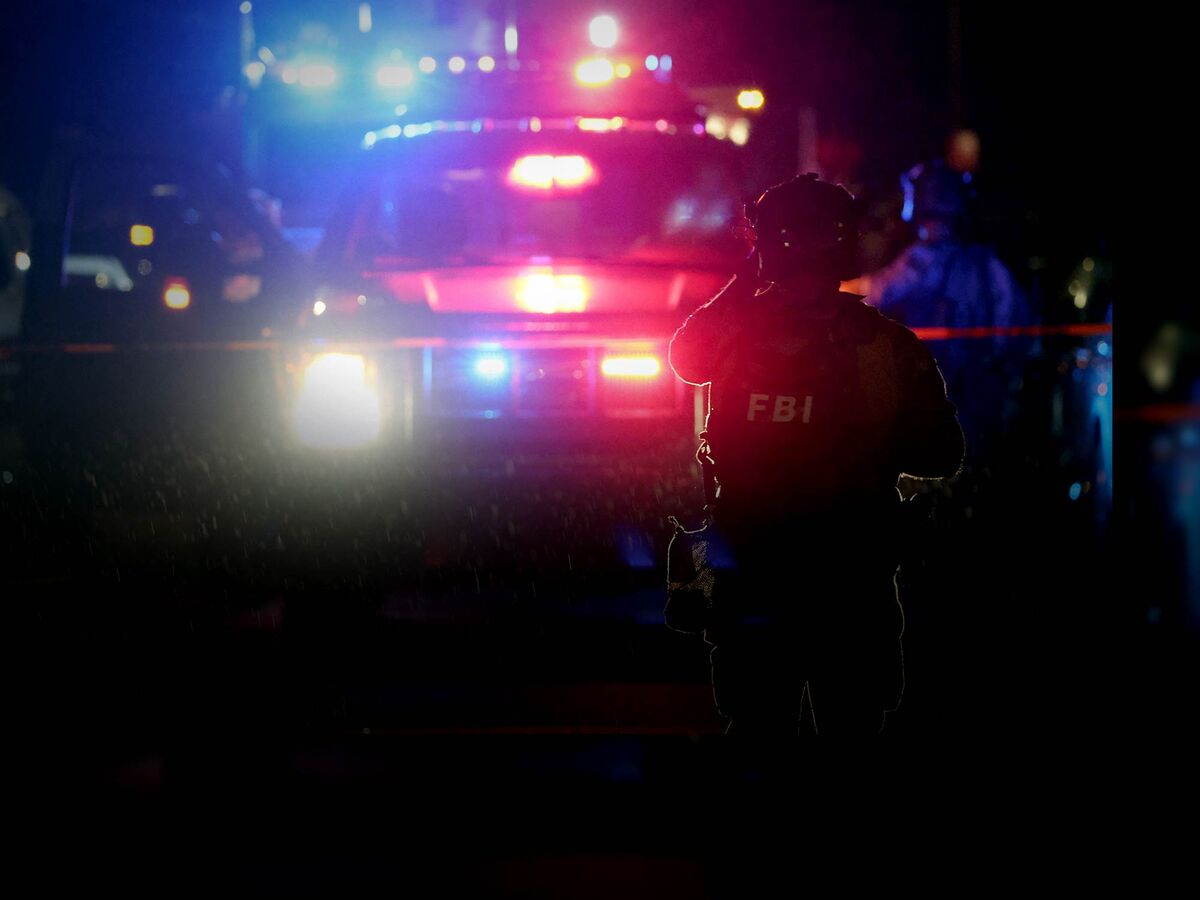
The article reports that the suspect in the White House Correspondents’ Dinner attack is expected to be formally charged Monday, with authorities saying he likely targeted administration officials. Investigators cited anti-Trump and anti-Christian rhetoric, plus warnings from relatives before the attack. The news is materially negative from a public safety and political risk perspective, but likely has limited direct market impact.
This is not a market-mover on direct fundamentals, but it is a clean risk-premium event for anything exposed to public venues, federal facilities, and event security. The first-order effect is a short-lived bid to security screening, perimeter protection, surveillance, and crisis-management names, but the more durable trade is in budgets: federal and large-state institutions tend to translate incidents like this into accelerated procurement reviews within weeks, not months, especially where staffing gaps can be papered over with equipment.
The second-order winner is the security stack rather than pure defense prime contractors. Hardware-heavy companies with exposure to access control, cameras, metal detection, and integrated building security can see faster budget conversion than traditional defense, which usually needs longer authorization cycles. The loser set is broader and less obvious: event venues, hospitality near government clusters, and any leisure/reputation-sensitive assets in DC can face a short-term demand air pocket as risk perception rises.
The main catalyst path is political rather than legal: if the incident becomes a recurring narrative around domestic extremism, expect a 2-6 week window of louder procurement and protection spending talk, but very limited near-term revenue impact unless the story spreads into new mandates or appropriations. A reversal would come if authorities quickly contain the case and it fades from the headlines; in that scenario, the trade in security beneficiaries should mean-revert quickly because this is a sentiment shock, not a structural earnings re-rate.
Contrarian view: the market may overestimate the durability of the impulse buy. These events often generate commentary but only modest incremental spend, because agencies already have budgets and procurement friction is high. The more interesting underappreciated angle is liability and insurance: repeated high-profile security lapses can tighten underwriting and raise compliance costs for event organizers before they materially lift defense outlays.
AI-powered research, real-time alerts, and portfolio analytics for institutional investors.
Request DemoOverall Sentiment
strongly negative
Sentiment Score
-0.60
