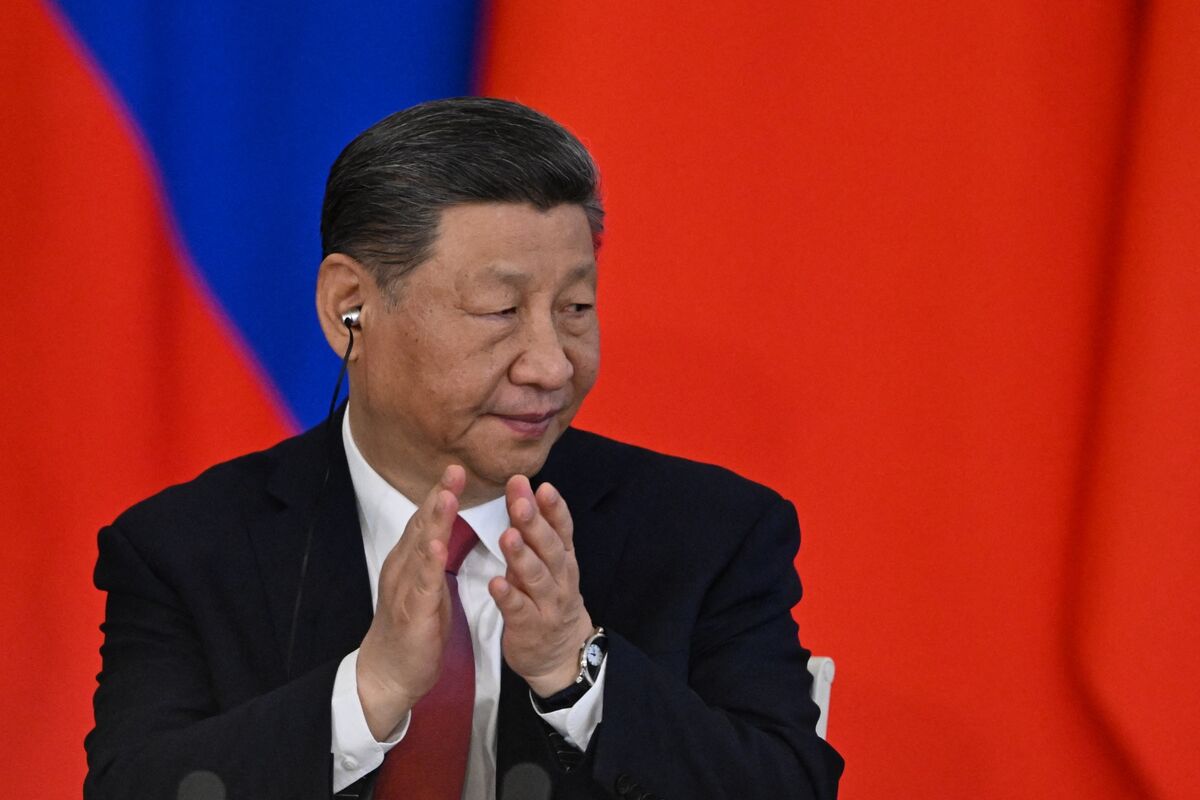
China's rhetoric of Asian unity, particularly in trade, contrasts sharply with its actions in the South China Sea, where its interests consistently supersede those of its neighbors. While China positions itself as a champion of the rules-based order, especially amidst trade tensions initiated by the U.S. under Donald Trump, its behavior suggests a prioritization of its own agenda over regional collaboration.
China's rhetoric promoting Asian unity and championing a rules-based trade order, particularly in contrast to US trade actions under Donald Trump, is significantly challenged by its behavior in the South China Sea, where Beijing's strategic interests consistently take precedence over regional collaboration. While China positions itself as a defender of global rules, its actions suggest a prioritization of national objectives, creating a dichotomy that impacts regional stability. This situation unfolds against a backdrop where US tariffs, such as the "Liberation Day" tariffs, have already impacted Southeast Asian economies, with Vietnam and Cambodia facing rates of 46% and 49% respectively. The moderately negative sentiment and pessimistic tone highlighted by data signals underscore concerns that these geopolitical undercurrents and contradictory actions could influence investor confidence and regional economic dynamics, particularly concerning trade policy and emerging markets.
AI-powered research, real-time alerts, and portfolio analytics for institutional investors.
Request DemoOverall Sentiment
moderately negative
Sentiment Score
-0.50
