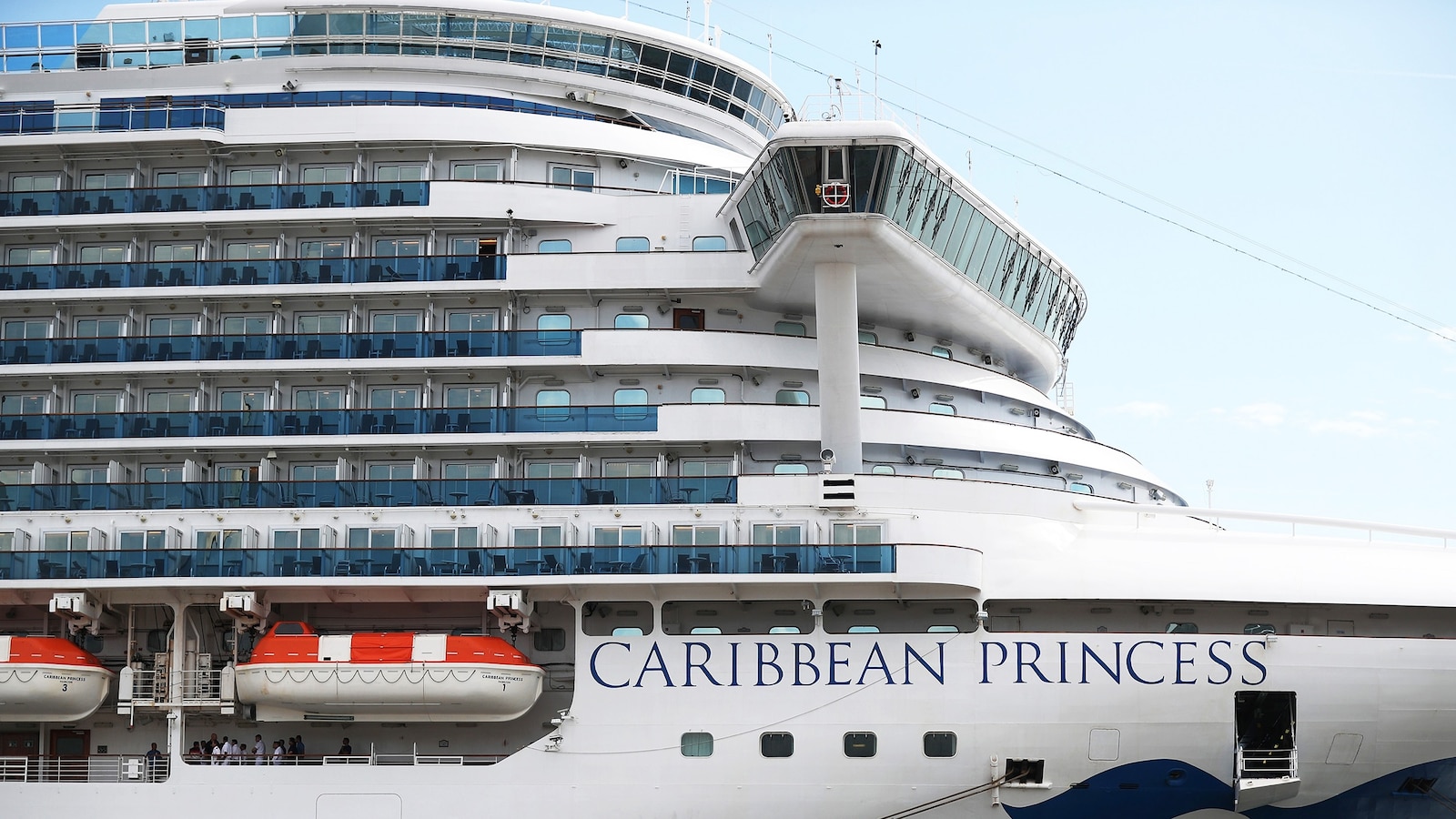
At least 115 people on the Caribbean Princess were sickened in a norovirus outbreak, including 102 passengers and 13 crew members, during the April 28-May 11 voyage. The ship has already increased cleaning and isolation protocols and will undergo comprehensive disinfection before its next departure. The incident is the fourth gastrointestinal illness outbreak reported on a cruise ship this year, reinforcing near-term hygiene and reputational risks for the cruise sector.
The direct economic damage from a single onboard norovirus event is modest, but the second-order effect is a higher-risk perception around cruise utilization, especially for an operator whose product is highly dependent on discretionary booking confidence and last-minute onboard spend. The bigger issue is not this voyage alone; it is the clustering of gastrointestinal outbreaks this year, which raises the probability of incremental health-related scrutiny, heavier sanitation costs, and more conservative booking behavior into the summer travel window.
This is a classic asymmetric headline risk for cruise equities: the operational response is usually effective within days, but the equity market often prices in a broader demand discount before forward bookings stabilize. Near-term, the most vulnerable names are the ones with the highest exposure to Caribbean itineraries and leisure travelers who can switch to land-based alternatives quickly; that creates a temporary advantage for airline or resort substitutes if consumers become more health-sensitive. Over months, the more important variable is whether this becomes a pattern that forces higher capex on sanitation, slower turn times, or incremental compliance costs that compress margins at the fleet level.
The contrarian view is that the move is likely overdone if investors extrapolate one ship-level incident into a sector-wide demand shock. Norovirus is endemic to cruise operations, and the market has historically recovered once management demonstrates rapid containment and no material media escalation; the tradeable window is usually days, not quarters, unless there is evidence of repeated outbreaks across multiple sailings or brands. The best setup is to fade any knee-jerk selloff in the most operationally resilient cruise operators while keeping a tighter risk box around names with weaker pricing power and higher reliance on peak-season occupancy.
AI-powered research, real-time alerts, and portfolio analytics for institutional investors.
Request DemoOverall Sentiment
mildly negative
Sentiment Score
-0.25
