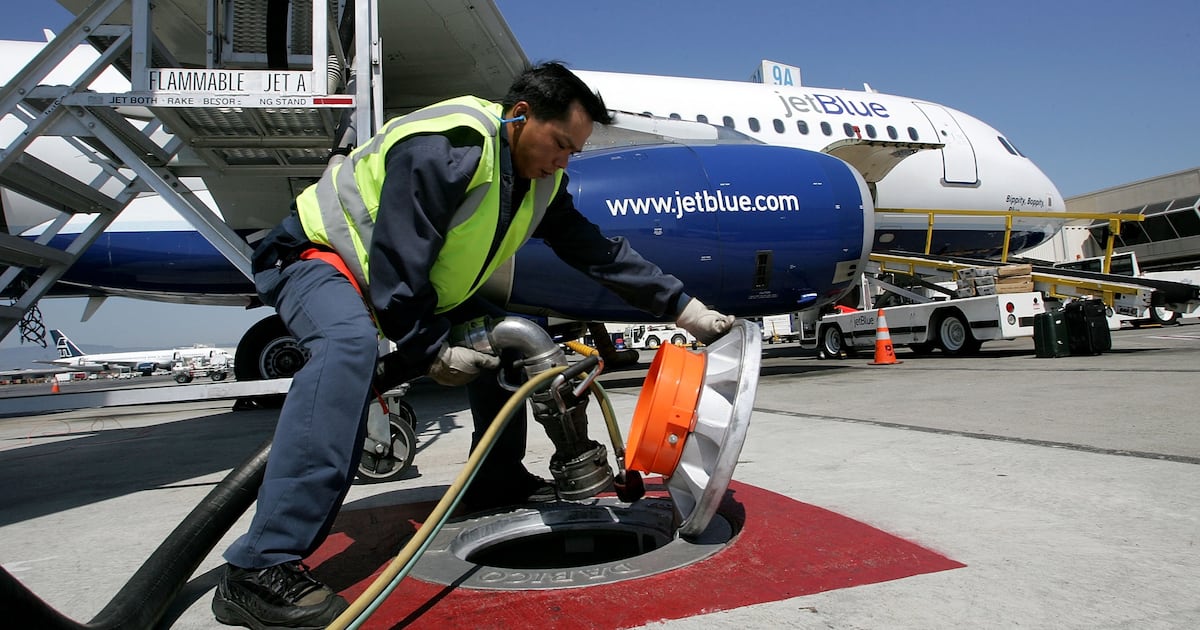
EU airports warned that a jet fuel shortage could become systemic within three weeks if passage through the Strait of Hormuz does not resume in a stable way, with reserves running low ahead of the peak summer travel season. The warning reflects heightened geopolitical risk from the Iran conflict and could disrupt airport operations, air connectivity, and regional economic activity if fuel supplies tighten further.
The first-order trade is obvious: airlines and Europe-linked travel are not just facing higher fuel costs, they are facing a supply-dislocation regime where availability matters more than price. In that setup, legacy carriers with thinner liquidity and weaker hedging layers should underperform low-cost peers with stronger balance sheets and more flexible capacity planning, while airport operators and regional tourism-exposed names face a second-order hit from schedule unreliability rather than just margin compression.
The more interesting market effect is that the shock can leak beyond aviation into diesel, heating oil, and broader middle-distillate pricing, especially if refiners start prioritizing higher-margin products or inventories are reallocated to the most critical buyers. That creates a tailwind for integrated refiners and trading-heavy energy names that can source barrels globally, while European industrials with just-in-time logistics and high transport intensity may see an earnings hit even if crude itself retraces.
Catalyst timing is days-to-weeks, not quarters: if the passage normalizes, the market can unwind quickly, but the setup is asymmetric because summer demand creates a narrow window where even a temporary interruption forces rationing and operational changes. The key reversal is a credible, durable shipping corridor restoration or explicit government intervention in allocation; absent that, the market is likely underpricing the probability of forced demand destruction in European travel and freight.
The contrarian view is that the shortage narrative may be overextended in the equity market unless physical constraints persist past the next inventory cycle. Europe can source incremental product from the U.S. Gulf and Asia, but the cost is higher freight, longer lead times, and a more fragile supply chain, so the trade is less about permanent scarcity and more about near-term basis blowouts and earnings misses in exposed subsectors.
AI-powered research, real-time alerts, and portfolio analytics for institutional investors.
Request DemoOverall Sentiment
strongly negative
Sentiment Score
-0.72
