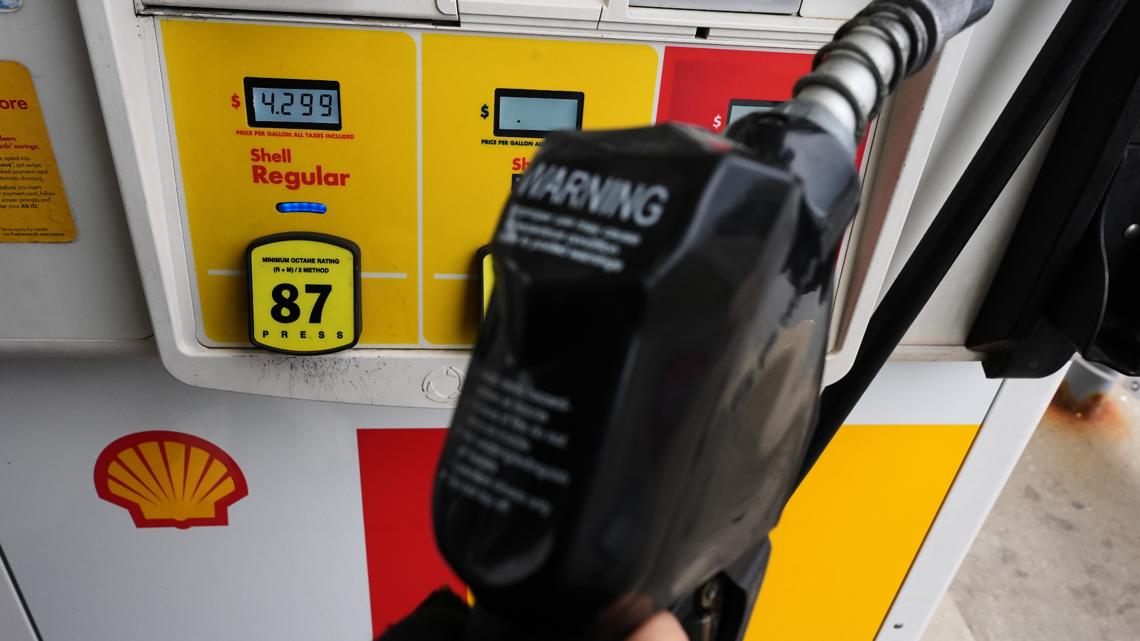
Gas prices in central Ohio jumped to $4.29 a gallon from a $3.93 average, while diesel rose to $5.29 and crude oil hovered around $100 a barrel. The spike is tied to the U.S.-Iran war and disruption risks around the Strait of Hormuz, through which roughly 20% of global oil passes. The article points to broader inflationary pressure and higher consumer fuel costs, with the national average still below $3 a gallon before the conflict began.
The immediate winners are upstream energy producers and refiners with pricing power, but the cleaner second-order trade is in inflation-sensitive sectors where fuel is an input rather than a headline. Higher gasoline and diesel act like a regressive tax on lower-income consumers first, which typically hits discretionary retail, autos, and travel within weeks; the more important lag is margin compression for freight-heavy businesses over 1-2 quarters as contracts reset slower than spot fuel costs.
The market is still underpricing the persistence risk. A price spike driven by a geopolitically constrained chokepoint can stay elevated much longer than a demand-led rally because supply elasticity is limited in the first 30-60 days; that creates a skew where the upside in crude remains open while the political downside is binary and harder to time. The key catalyst is not just diplomacy, but any evidence of physical flow normalization through the shipping lane; absent that, downstream inflation expectations can reaccelerate even if headline CPI lags.
The contrarian point is that this may be less about “peak oil shock” and more about a temporary transfer from consumers to producers. If crude stabilizes near current levels, the real earnings beneficiary is not the broad energy complex but the handful of names with low decline rates and disciplined capital return, while high-cost shale and marginal refiners can underperform if crack spreads normalize faster than crude. On the consumer side, the earnings hit to retailers may be overstated initially if households substitute away from durable goods but continue spending on essentials; that argues for targeting margin-sensitive cyclicals rather than blanket shorting consumption.
AI-powered research, real-time alerts, and portfolio analytics for institutional investors.
Request DemoOverall Sentiment
moderately negative
Sentiment Score
-0.35
