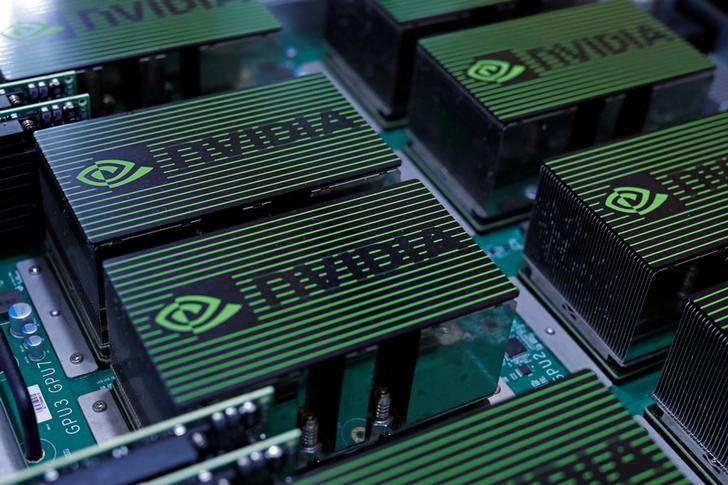
Nvidia is launching a new revenue-sharing and credit-support model with AI startups, enabling AI cloud providers to sell Nvidia-powered cloud services while Nvidia earns both standard product revenue and a share of cloud earnings. The company says the model addresses the capital intensity of AI infrastructure and will deepen adoption of its DSX data center platform (including early partners like Sharon AI and Firmus). The move reinforces Nvidia’s position as AI and data-center demand continues to drive strong results, though near-term price impact is likely moderate rather than market-wide.
NVDA is pushing beyond a pure chip sale into a financing-and-revenue-share model, which is a meaningful moat extension if it increases customer lifetime value faster than it consumes balance-sheet capacity. The market will likely reward the first-order optics, but the real question is whether this is high-return ecosystem building or a subtle transfer of credit risk from startups/cloud intermediaries onto Nvidia; that distinction will matter when utilization and default/repayment data surface over the next 1-3 quarters.
The second-order winners are AI cloud builders that can now scale with less upfront capital, while the losers are smaller GPU-cloud operators and alternative accelerators that lack either Nvidia’s financing muscle or its software gravity. This should widen the gap between platform leaders and everyone else, but it also raises the bar for AMD and other challengers to compete on more than raw silicon performance. If Nvidia starts monetizing the install base like a lender/toll collector, the trade becomes less about unit shipments and more about take-rate durability and credit discipline.
On Apple, a broader product cadence is supportive for channel smoothing and supplier planning, but it does not by itself change the upgrade-cycle math. The consensus risk is over-reading SKU expansion as demand acceleration; absent evidence of better replacement rates or higher mix, this is maintenance, not a new growth leg. Falsifier: if the next two quarters show materially stronger iPhone unit growth and ASP stability, then the product breadth story becomes more investable.
AI-powered research, real-time alerts, and portfolio analytics for institutional investors.
Overall Sentiment
mildly positive
Sentiment Score
0.25
Ticker Sentiment
