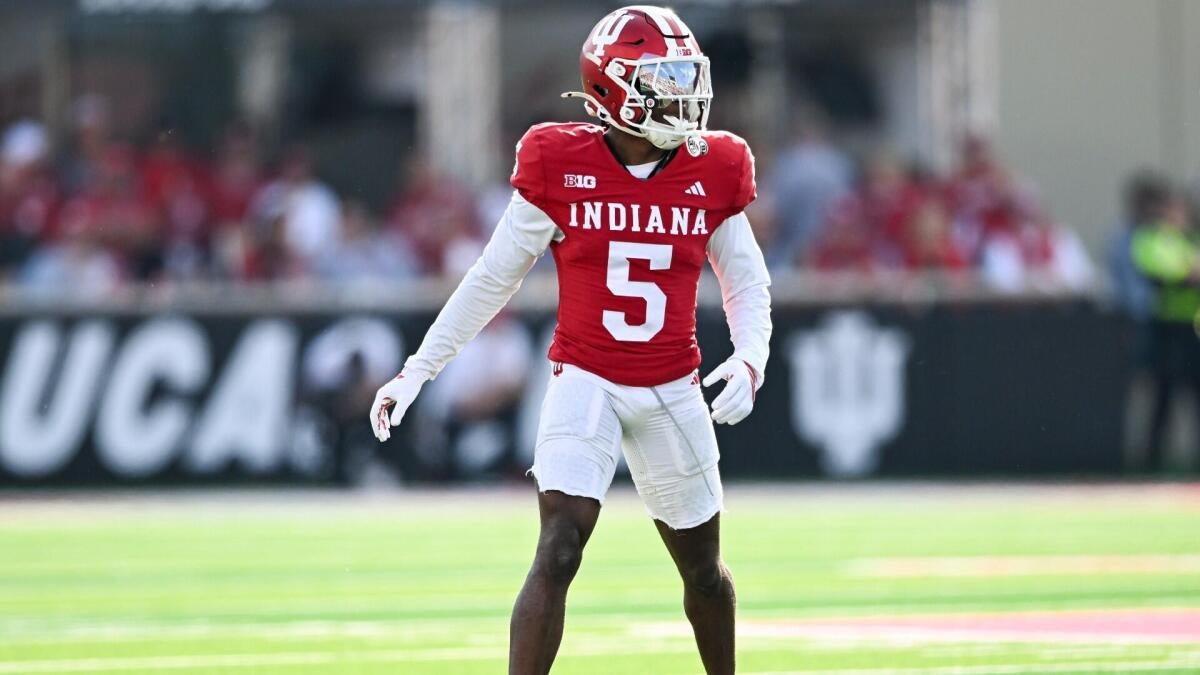
This is a 2026 NFL mock draft article presenting the writer’s preferred Round 1 picks rather than actual team decisions. It is largely opinion-based analysis with no earnings, guidance, or market-moving corporate developments. The piece is informative for draft coverage but has minimal direct market impact.
The underappreciated market angle here is not the individual player fit, but the way this mock draft reinforces a league-wide premium on trench, coverage, and defensive multiplicity over splashy skill-position spending. That matters because teams with stable QBs can now win by preventing negative plays and creating matchup problems, which should keep valuations elevated for elite linemen, versatile front-seven defenders, and corners with true man-coverage utility. In other words, the opportunity set is shifting toward “boring” positions that compound over a multi-year window rather than one-year headline makers.
The second-order effect is on roster construction risk. Clubs reaching for premium athletes with positional ambiguity are implicitly telling us that teams value flexibility over pure counting stats, which tends to lengthen the useful career window of these archetypes and reduce bust risk relative to one-dimensional prospects. For investors, that translates into a stronger signal for franchises that consistently draft and develop along the line of scrimmage: they are less likely to suffer the volatility that comes from chasing temporary offensive surges.
The contrarian read is that the market may overestimate the immediate payoff of these defensive-heavy builds. In the short term, added pass rush and corner depth can improve variance more than baseline win totals, so the on-field gains may be slower to show up in record-driven narratives and media sentiment. The real catalyst horizon is 12-24 months, when these classes either validate the philosophy through efficiency metrics or expose teams that used premium capital on traits without enough near-term production.
For public-market relevance, the cleanest takeaway is that organizations emphasizing premium defensive infrastructure are likely to be more stable allocators of future cap and draft capital, which should support longer competitive windows. The biggest losers are teams that still overpay for short-term offensive fixes while ignoring trench efficiency; those rosters usually regress faster once the quarterback hits any friction. The tradeable signal is therefore not “who drafted best,” but which front offices are most consistently building sustainable, low-volatility team structures.
AI-powered research, real-time alerts, and portfolio analytics for institutional investors.
Request TrialOverall Sentiment
neutral
Sentiment Score
0.05
