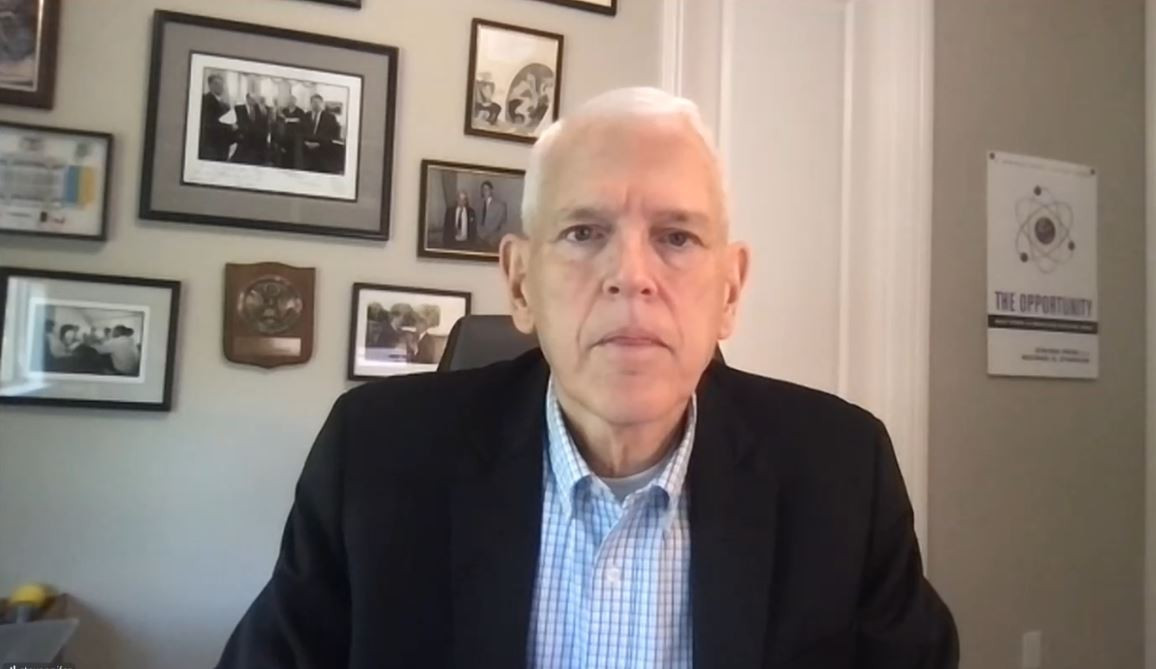
Russia warned that European companies involved in Ukraine’s drone supply chain could be treated as "legitimate targets," escalating rhetoric around support for Ukraine’s defense industry. The Czech Foreign Ministry summoned Russia’s ambassador after threats against firms based in the country, while former ambassador Steven Pifer said Moscow is likely trying to intimidate European governments and companies rather than signaling a credible escalation. The story underscores rising geopolitical risk for European defense-adjacent supply chains, but immediate market impact appears limited.
The market should treat this less as an imminent kinetic escalation and more as a signaling event aimed at raising the implicit cost of participation in Ukraine’s defense industrial base. That matters because supply-chain risk in Europe is now moving one layer upstream: even if the physical threat is low, procurement delays, insurance friction, facility security spending, and compliance overhead can slow the scaling curve for drone output over the next 3-12 months. The second-order effect is that firms with diversified manufacturing footprints and strong export-control/legal teams gain share versus smaller niche suppliers that cannot absorb headline risk.
The biggest beneficiary is not a named defense prime but the broader Western drone ecosystem: sensors, optics, batteries, secure comms, small engines, and electronic warfare components. If European governments respond by hardening procurement, the order book likely shifts toward dual-use suppliers and domestic assembly partners, which is bullish for industrial automation and select electronics vendors while pressuring pure-play assemblers with single-site exposure. A modest increase in European defense budgets is already embedded; what is not fully priced is the possibility that this accelerates localization, shortening lead times but reducing margin for cross-border integrators.
The contrarian view is that Moscow may be overplaying a weak hand: explicit threats can backfire by giving governments political cover to accelerate funding and broaden supplier networks. If that happens, the near-term noise is negative, but the medium-term effect is actually positive for the European defense supply chain because it unlocks faster capex and more multi-year contracts. The key catalyst window is days to weeks for rhetoric-driven volatility, but months for procurement reallocation; the real risk is a single symbolic disruption that forces a repricing of security assumptions across the sector.
AI-powered research, real-time alerts, and portfolio analytics for institutional investors.
Request DemoOverall Sentiment
mildly negative
Sentiment Score
-0.15
