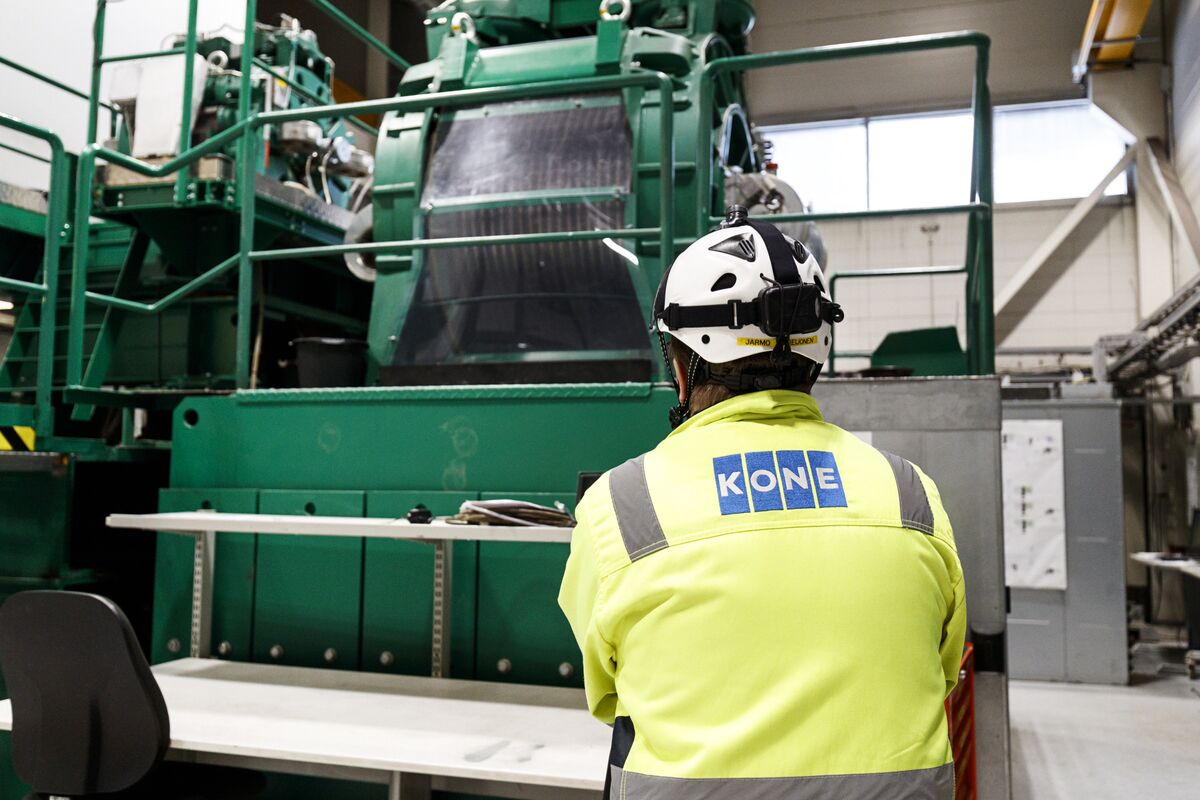
Kone is nearing a cash-and-stock acquisition of TK Elevator in a deal valued at about €29 billion ($34 billion) including debt. The transaction would mark one of the largest private equity exits in Europe, with Advent and Cinven set to sell their stake. The announcement could come as soon as Wednesday, making this a significant sector-level M&A event.
This is less a pure industrials headline than a capital-structure reset for European large-cap M&A. A takeout at this scale would likely force a re-rating of the entire elevator and building-services complex because it validates that scale, installed-base recurring revenue, and pricing power are worth paying up for in a slow-growth market. The second-order effect is on debt markets: a successful financing package would tighten spreads for other asset-heavy recurring-revenue businesses, while any hiccup would quickly infect high-quality leveraged buyout exit multiples across Europe.
The near-term winners are the sellers and likely Kone’s equity story if the market believes integration synergies and financing are manageable. But the real trade here may be the spread between the announced deal valuation and where similar comp names trade today; if the market starts assuming consolidation, peers with fragmented European exposure could rerate even without being bid. On the flip side, customers and competitors should worry about a more disciplined pricing regime in service contracts over the next 12-24 months, which can quietly lift industry margins more than headline cost synergies would suggest.
The key risk is execution, not strategy: a large cash-and-stock deal needs both equity market support and financing windows that can close cleanly. If credit conditions wobble or the acquirer’s share price weakens during signing-to-close, the headline premium can compress fast and the market will punish anything leveraged to the transaction. The contrarian view is that this may be a late-cycle, top-of-range exit rather than proof of durable M&A appetite; that argues for trading the announcement, not underwriting a multi-quarter rerating.
For investors, the cleanest expression is to buy the likely relative-strength basket on confirmation and fade the financing-risk names into any enthusiasm. This is a catalyst that can move in days on announcement, but the fundamental read-through to sector pricing power should play out over months if integration discipline holds.
AI-powered research, real-time alerts, and portfolio analytics for institutional investors.
Request DemoOverall Sentiment
mildly positive
Sentiment Score
0.35
