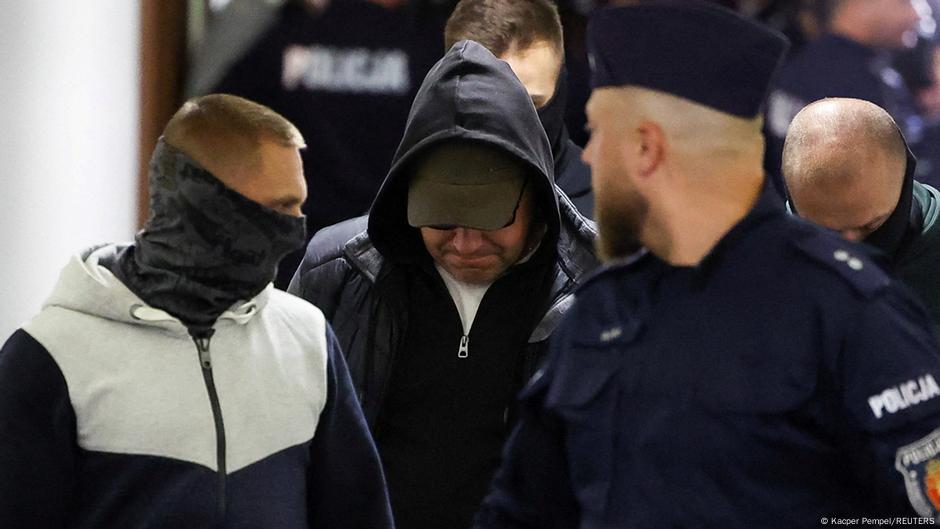
A Polish court has rejected Germany's extradition request for a Ukrainian suspect implicated in the 2022 Nord Stream pipeline sabotage, ordering his release and citing insufficient evidence, Germany's lack of jurisdiction over an alleged 'military operation' in international waters, and the suspect's alleged actions on behalf of Ukraine. Polish Prime Minister Donald Tusk publicly endorsed the decision, aligning with Poland's long-standing opposition to the Nord Stream project and emphasizing national interests. This ruling significantly complicates the ongoing investigation into the critical energy infrastructure attack, underscoring persistent geopolitical tensions and challenges in international legal cooperation regarding acts of sabotage.
A Polish court has rejected Germany's extradition request for a Ukrainian suspect implicated in the Nord Stream pipeline sabotage, ordering his immediate release. The court cited insufficient evidence from Germany and argued that the alleged sabotage constituted a "military operation" outside German jurisdiction, with responsibility potentially lying with the Ukrainian state. This decision, though appealable, significantly complicates the ongoing international investigation into the 2022 pipeline damage.
Polish Prime Minister Donald Tusk publicly endorsed the court's ruling, aligning with Poland's long-held opposition to the Nord Stream project. Tusk emphasized that the "problem with North Stream 2 is not that it was blown up. The problem is that it was built," highlighting national interests and geopolitical concerns over energy dependence. This stance underscores the deep divisions within Europe regarding energy infrastructure and security.
The court's characterization of the act as a "military operation" by a state actor introduces a complex legal and political precedent for critical infrastructure attacks. While the immediate market impact is assessed as neutral, this event perpetuates uncertainty regarding accountability for such incidents. It also reflects ongoing geopolitical tensions, particularly concerning European energy security and international legal cooperation.
AI-powered research, real-time alerts, and portfolio analytics for institutional investors.
Overall Sentiment
neutral
Sentiment Score
0.00
