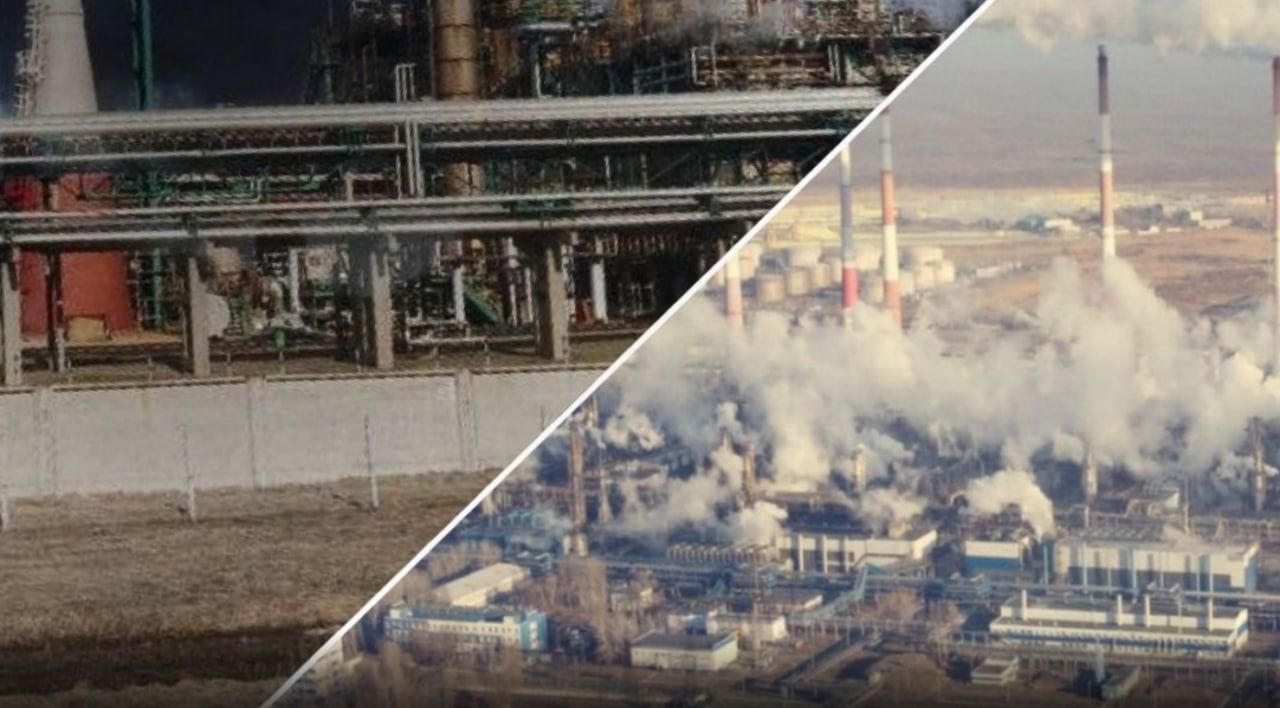
Ukraine said it struck three major Russian energy assets overnight on May 13: the Tamanneftegaz oil terminal, Yaroslavl refinery, and Astrakhan gas processing plant, with fires still reported at the Astrakhan site. Separately, Russia said it launched at least 800 drones in a daytime mass attack on Ukraine, killing 6 and injuring dozens, underscoring escalating war risk and renewed pressure on energy infrastructure. Moscow also tightened information controls on drone-strike damage, while a large fire reportedly broke out at the Izmailovo tourist complex in Moscow.
The market implication is not “more war news” but a rising probability that Russia’s domestic energy system becomes a recurring operational bottleneck. Repeated hits on refining and export nodes can compress product exports faster than crude exports, which is bearish for Russian barrel netbacks and more important for Europe’s diesel balance than headline Brent. The second-order effect is that even partial outages force Moscow to reroute barrels, lifting inland freight, tankage demand, and shadow-fleet utilization while reducing the efficiency of its export chain.
The drone campaign also creates a non-linear defense feedback loop: each successful strike validates more budget and industrial urgency for air defenses, electronic warfare, and point-defense systems. That tends to favor Western missile-defense primes more than broad defense ETFs because the bottleneck is interceptors, sensors, and C2 integration, not just platform count. On the Russian side, the information clampdown signals the regime is more worried about domestic sentiment and asset-level credibility than it is admitting, which is consistent with a deterioration phase where damage visibility matters as much as physical damage.
Near term, the biggest price reaction should come in refined products, not crude, especially diesel and jet fuel spreads in Europe and the Black Sea basin. Over 1-3 months, persistent disruption at Russian facilities could tighten regional product availability enough to support margins for non-Russian refiners while increasing volatility in shipping and sanctions-adjacent logistics. The contrarian risk is that the attacks are already being normalized by markets; if Russia can patch outages faster than expected or shift exports through alternative routes, the supply shock may fade while defense names remain bid on momentum alone.
AI-powered research, real-time alerts, and portfolio analytics for institutional investors.
Request DemoOverall Sentiment
strongly negative
Sentiment Score
-0.72
