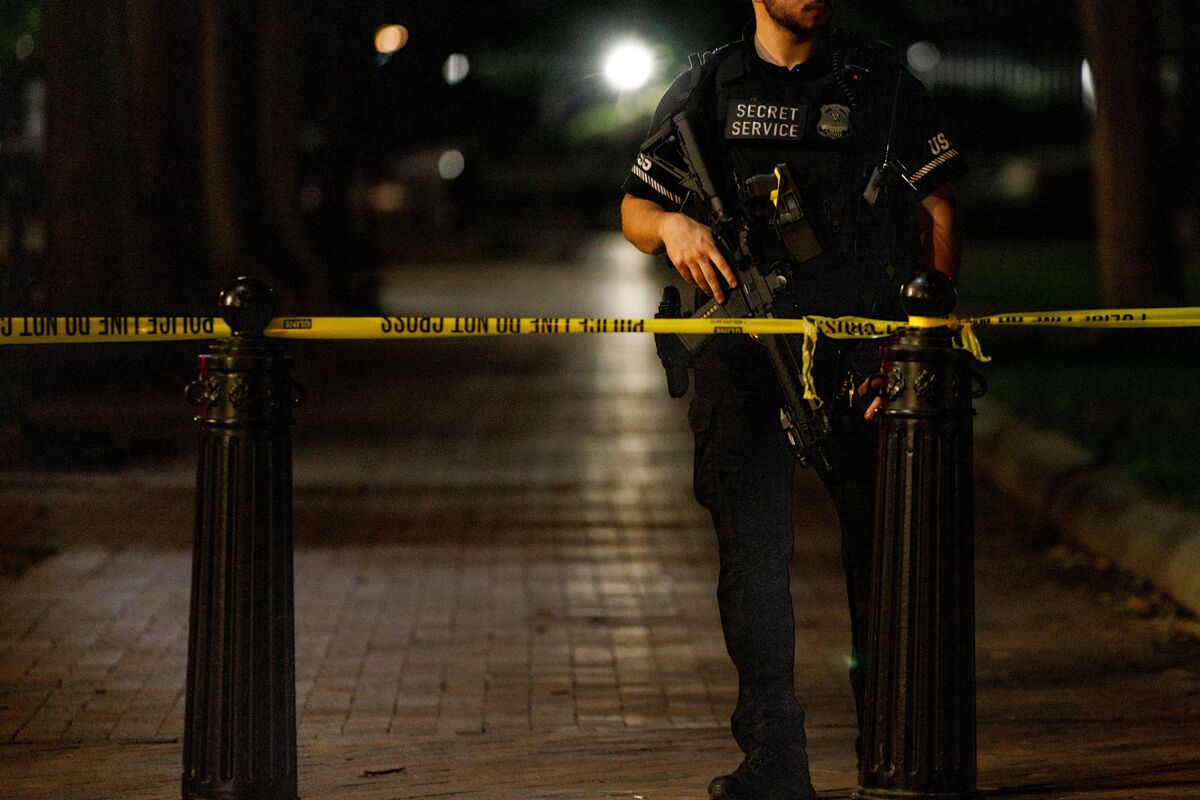
Major US cities are increasing security measures following US airstrikes on Iran, which have escalated tensions in the Middle East. Iran has warned of "everlasting consequences" and reserved its right to respond, raising concerns about potential retaliatory actions and their impact on US targets.
The direct US military airstrikes on Iran, codenamed "Operation Midnight Hammer," represent a significant escalation of geopolitical conflict in the Middle East. This action has prompted immediate defensive measures, with major US cities increasing security in anticipation of potential retaliation. Iran's public warning of "everlasting consequences" and its assertion that it "reserves all options" to respond introduces a high degree of uncertainty and a credible threat of asymmetric warfare or direct military action. The situation is characterized by a strongly negative sentiment score (-0.75) and a high market impact score (0.8), signaling that financial markets are expected to price in substantial risk. The dominant themes of "Geopolitics & War" and "Infrastructure & Defense" suggest that while broader market sentiment is likely to be bearish, specific sectors such as defense contractors may experience heightened investor interest due to expectations of increased security spending.
AI-powered research, real-time alerts, and portfolio analytics for institutional investors.
Request DemoOverall Sentiment
strongly negative
Sentiment Score
-0.75
