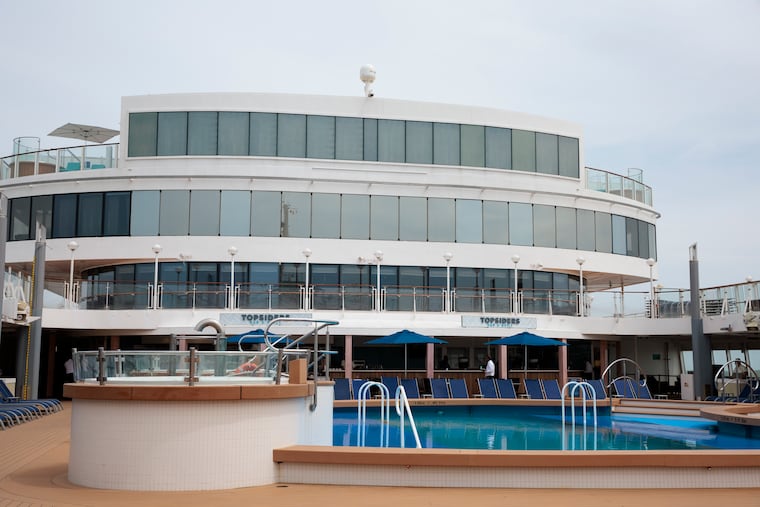
Norwegian Cruise Line’s Norwegian Jewel launched the first cruise out of Philadelphia in 15 years, with the company committing to 41 voyages a year under a seven-year agreement running through 2033. The port’s new cruise terminal in Tinicum is still under construction and is expected to be completed by the end of fiscal 2027. City officials framed the restart as an economic and tourism boost for Philadelphia and the region.
The near-term read-through is positive for NCLH, but the bigger edge is in recognizing this as an underappreciated distribution-and-routing story rather than a pure demand story. A new home port in a dense metro expands the addressable customer base for drive-to cruise travelers, which tends to lift load factors and reduce customer acquisition friction versus fly-to embarkation ports. That matters most for older, domestic-heavy itineraries where convenience can be a more durable demand driver than promotional pricing.
The second-order winner may be the regional ecosystem around the port, but the marketable beneficiary is still NCLH if the new departure point improves utilization of a multi-year commitment. The key medium-term catalyst is the terminal buildout: every incremental improvement in embarkation friction should expand repeat booking rates and group bookings, while the 2027 completion target creates a multi-year cadence of operating improvements that the street can underwrite into forward yield estimates. The principal risk is execution slippage on infrastructure or a slow initial ramp, which would keep the port as a novelty rather than a margin contributor.
A less obvious angle is that this setup can modestly pressure competing drive-to cruise options in the Mid-Atlantic over time, especially if NCLH uses the route to capture price-insensitive leisure travelers who previously defaulted to airports. The Starbucks reference is not a stock catalyst by itself, but it highlights that premium onboard spend can support ancillary revenue even when embarkation is operationally clunky. For SBUX, the read-through is negligible; if anything, cruise coffee sales are an immaterial edge case rather than a meaningful demand signal.
Consensus may be too focused on the headline 'cruising is back' and not enough on the operational bottleneck that limits the initial revenue ramp. In other words, the bull case is real but likely delayed: the first 6-12 months should show incremental utilization and brand visibility, while the more durable EBITDA impact depends on terminal completion and whether the Philly catchment converts into repeatable, higher-yield demand.
AI-powered research, real-time alerts, and portfolio analytics for institutional investors.
Request DemoOverall Sentiment
mildly positive
Sentiment Score
0.20
Ticker Sentiment
