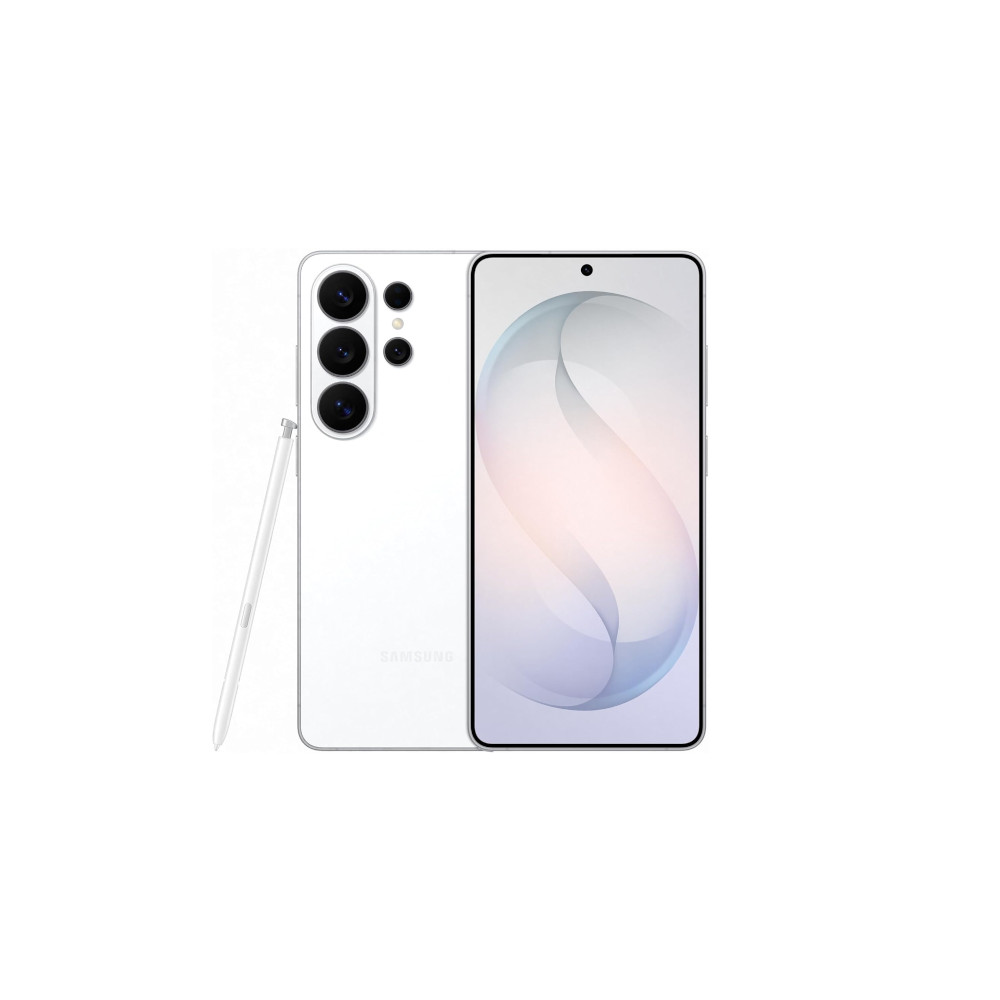
Samsung’s Galaxy S26 Ultra is positioned as the only model in the 2026 lineup that clearly justifies its $1,300 price, helped by a 6.9-inch 7.9mm/214g design, Privacy Display, upgraded cameras, and 60W wired charging that reaches full in 42 minutes. By contrast, the base Galaxy S26 faces criticism for downgraded connectivity, older camera hardware, and slower 25W charging, suggesting weaker value and durability. The article is a product review rather than a market-moving company event, so broader financial impact appears limited.
This read-through is less about a single handset review and more about Samsung actively widening the value gap inside its own portfolio. The premium model is now the only one with a coherent “future-proof” spec stack, which should reinforce internal mix shift toward higher ASPs even if total unit demand stays flat. That matters for Apple too: if Android’s best alternative becomes meaningfully more differentiated at the top end, it pressures iPhone Pro Max retention in the US among users who buy on features rather than ecosystem inertia.
The more interesting second-order effect is on display and component suppliers. A privacy-capable OLED architecture implies higher content per panel and likely better pricing power for differentiated OLED IP, which is the cleanest way to monetize the feature race. By contrast, the base model’s missing radio/charging/compute upgrades signal Samsung is using the entry tier primarily to defend shelf presence, not to maximize customer satisfaction; that tends to compress replacement intent in the low end and pushes enthusiasts up-stack.
The contrarian risk is that this is a near-term enthusiasm story with limited unit elasticity. Ultra buyers are already high-intent, so the feature delta may improve mix more than it expands the addressable market; if so, the gain for Samsung is margin-led rather than volume-led. The best catalyst window is the first 1-2 quarters after launch, when reviewers and carrier promotions shape the upgrade cycle; after that, pricing and real-world battery/camera deltas will matter more than novelty.
For risk management, the key failure mode is that the premium feature set may be too small a wedge to offset broader smartphone saturation. If privacy display becomes a one-cycle talking point rather than a must-have behavior change, the trade will fade quickly. That makes this a better relative-value and supplier-content trade than a directional bet on handset unit growth.
AI-powered research, real-time alerts, and portfolio analytics for institutional investors.
Request DemoOverall Sentiment
mildly positive
Sentiment Score
0.45
Ticker Sentiment
